


A major Android phone maker is preparing to take on DJI’s pocket camera dominance. According to reporting from Jiemian News, cited by industry watcher InnoGyan, Vivo has confirmed it is developing a dedicated vlog camera positioned squarely against DJI’s popular Pocket series. The company says the project is well underway and targeted for a commercial launch after development concludes, signaling a serious push beyond smartphones into creator hardware.
For years, DJI’s Pocket line has defined the ultra-compact, stabilized video category, winning creators with smooth footage and a travel-friendly footprint. A challenger with deep imaging chops, tight Android integration, and strong distribution could shake up a niche that has seen steady, incremental updates rather than dramatic reinvention.
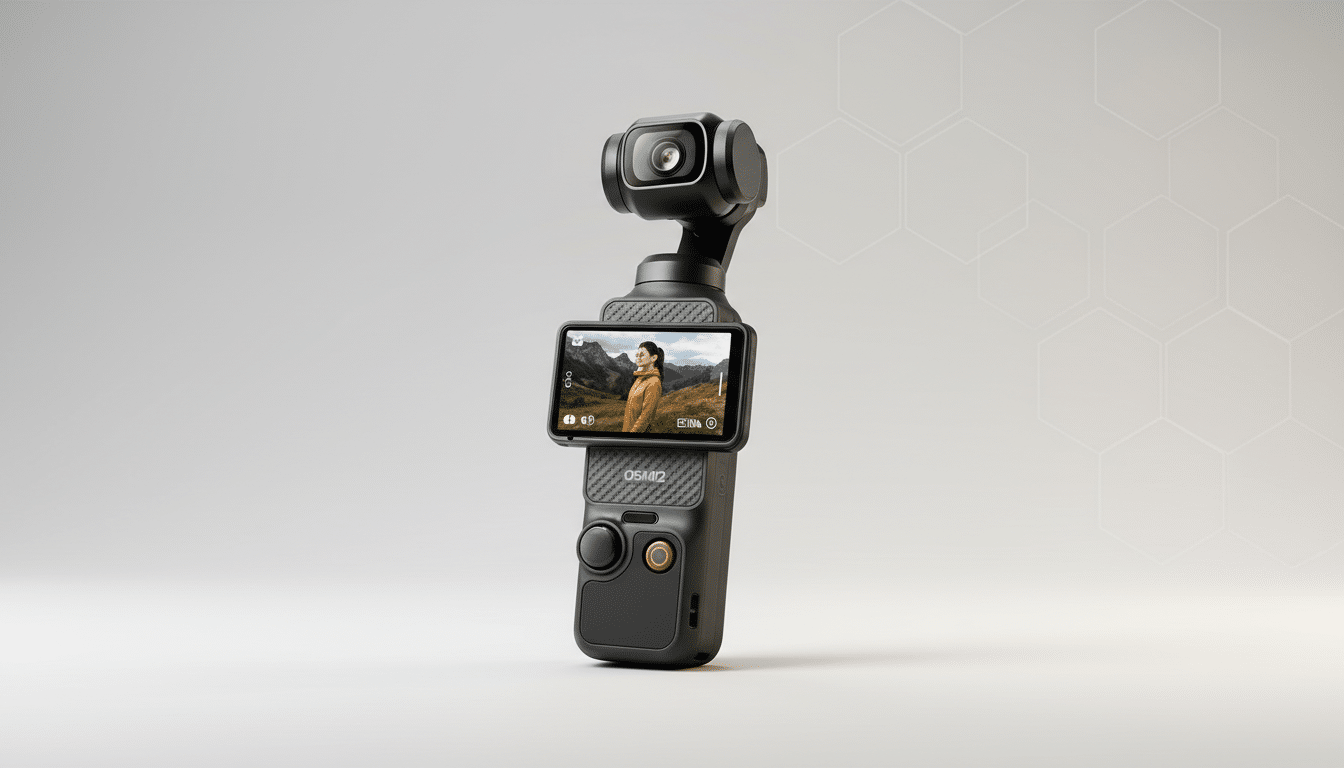
Vivo’s confirmation doesn’t include specs or pricing yet, but the intent is clear: deliver a purpose-built camera for vloggers who want better stabilization, sound, and low-light results than a phone alone can provide—without lugging a full-size rig.
Why a Phone Maker Wants a Pocket Vlog Camera
Vivo isn’t a stranger to imaging innovation. Its premium phones have leaned on a long-running partnership with Zeiss, bespoke V-series imaging chips for accelerated processing, and even gimbal-style optical stabilization in handset camera modules. Packaging those strengths into a dedicated device lets Vivo bypass the physical constraints of a smartphone slab—larger sensors, longer recording times, active cooling, and more flexible lenses become viable.
There’s also a strategic moat. A pocketable camera that works hand-in-glove with Android—instant pairing, live preview, cloud backup, and one-tap posting—could deliver a creator workflow that’s faster than traditional cameras and cleaner than phone-based gimbals. If Vivo nails the experience, the device could upsell existing users while attracting creators who want more control without complexity.
What It Means for DJI’s Pocket Camera Line
DJI set the bar with the Osmo Pocket formula: an integrated 3-axis gimbal, strong subject tracking, and video features far beyond most phones in the same footprint. The latest models offer a 1-inch sensor, 10-bit profiles, high frame-rate 4K, and a surprisingly usable rotating touchscreen. That’s a high baseline—so any newcomer must compete on image quality, heat management, audio, and software polish, not just price.
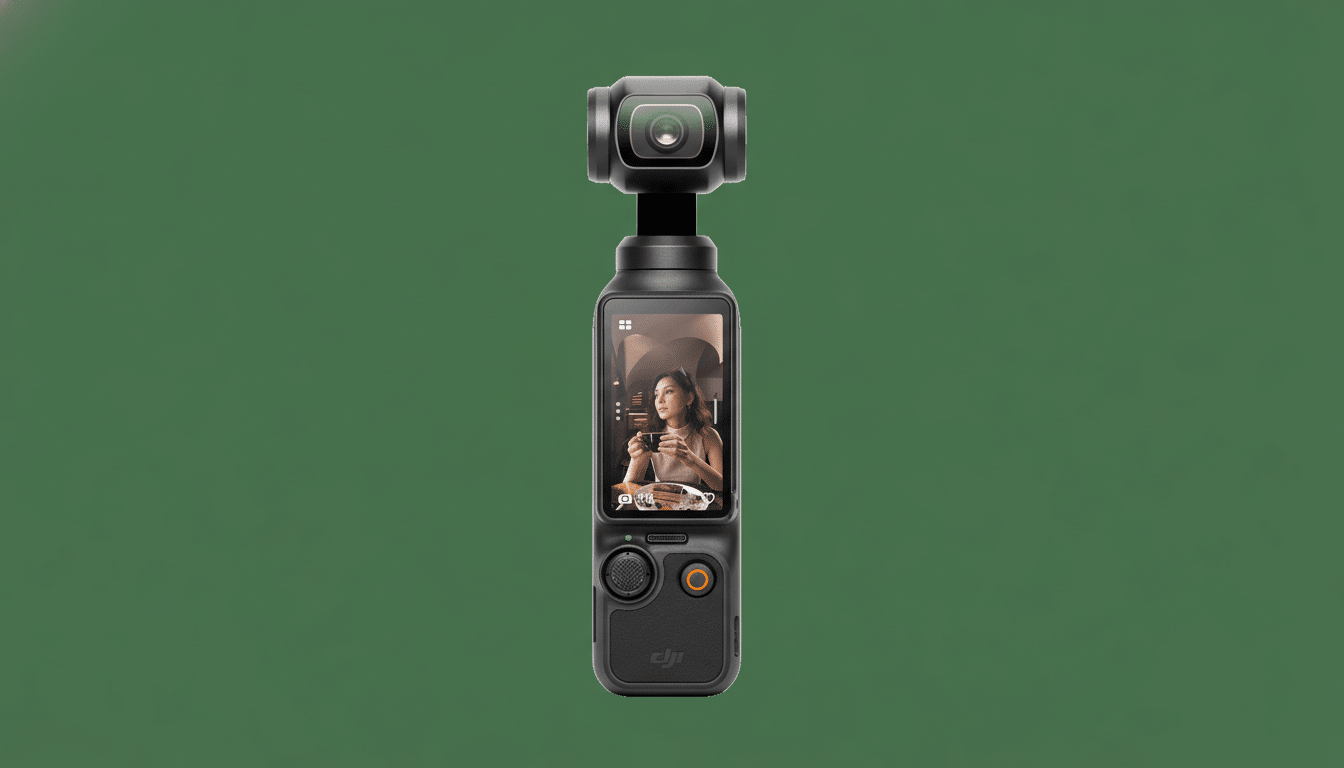
Where Vivo could apply pressure is in the ecosystem. DJI’s apps are robust, but a phone-first brand can design deeper Android hooks: background transfers while recording, lock-screen controls, cross-device continuity, or AI-assisted edits that leverage on-phone silicon. If Vivo also brings creator-friendly audio—think integrated high-quality mics, low-latency wireless audio support, and smarter wind reduction—it can close one of the Pocket category’s lingering pain points.
Key Features to Watch in Vivo’s Vlog Camera Rival
- Sensor and optics: Expect at least a 1-inch-class sensor to match current leaders, plus fast, low-distortion optics with reliable face/eye AF. Given Vivo’s Zeiss collaboration, color science and flare control could be a focus, alongside cinematic profiles for grading.
- Stabilization and tracking: A true 3-axis gimbal remains the Pocket category’s superpower. If Vivo pairs hardware stabilization with subject recognition tuned by its imaging chips, it could deliver steadier footage and stickier tracking in crowds or low light.
- Audio and I/O: Dual or triple mic arrays, beamforming, and seamless pairing with popular wireless mic ecosystems would be a standout. Creators will also look for full-size USB-C with fast offload, headphone monitoring, and accessory-friendly mounts.
- Thermals and recording limits: Longer, cooler 4K recording without clip breaks is a real differentiator. Efficient cooling and smart bitrate management can make or break a shoot.
- App experience: This is where an Android brand can shine—rapid pairing, reliable livestreaming to major platforms, auto-captioning, and AI highlight reels that feel intentional rather than gimmicky.
A Crowded but Ripe Market for Creator Devices
Compact vlogging devices sit at the intersection of action cameras, smartphone gimbals, and mirrorless “vlog” models like Sony’s ZV series. Insta360, GoPro, and DJI already compete for creators’ travel space, each trading off stabilization, low light, and workflow. Industry analyses from firms such as IDC and Canalys point to creator hardware as a resilient bright spot, even as broader camera volumes have matured.
Financial houses including Goldman Sachs estimate the creator economy to be a multi-hundred-billion-dollar opportunity, with strong growth expected as short-form and livestreaming expand. That tailwind gives room for a fresh entrant—especially one that can bundle hardware, software, and services into a frictionless package.
Bottom Line: Vivo’s Pocket Camera Plans and Impact
Vivo’s confirmation signals more than a one-off gadget. If executed well, a pocket vlog camera with flagship-level imaging, best-in-class stabilization, and deeper Android integration could finally give DJI real competition in its most defensible niche. The winner won’t be the brand with the longest spec sheet—it will be the one that turns capture, edit, and share into a single, seamless habit for creators on the move.
