


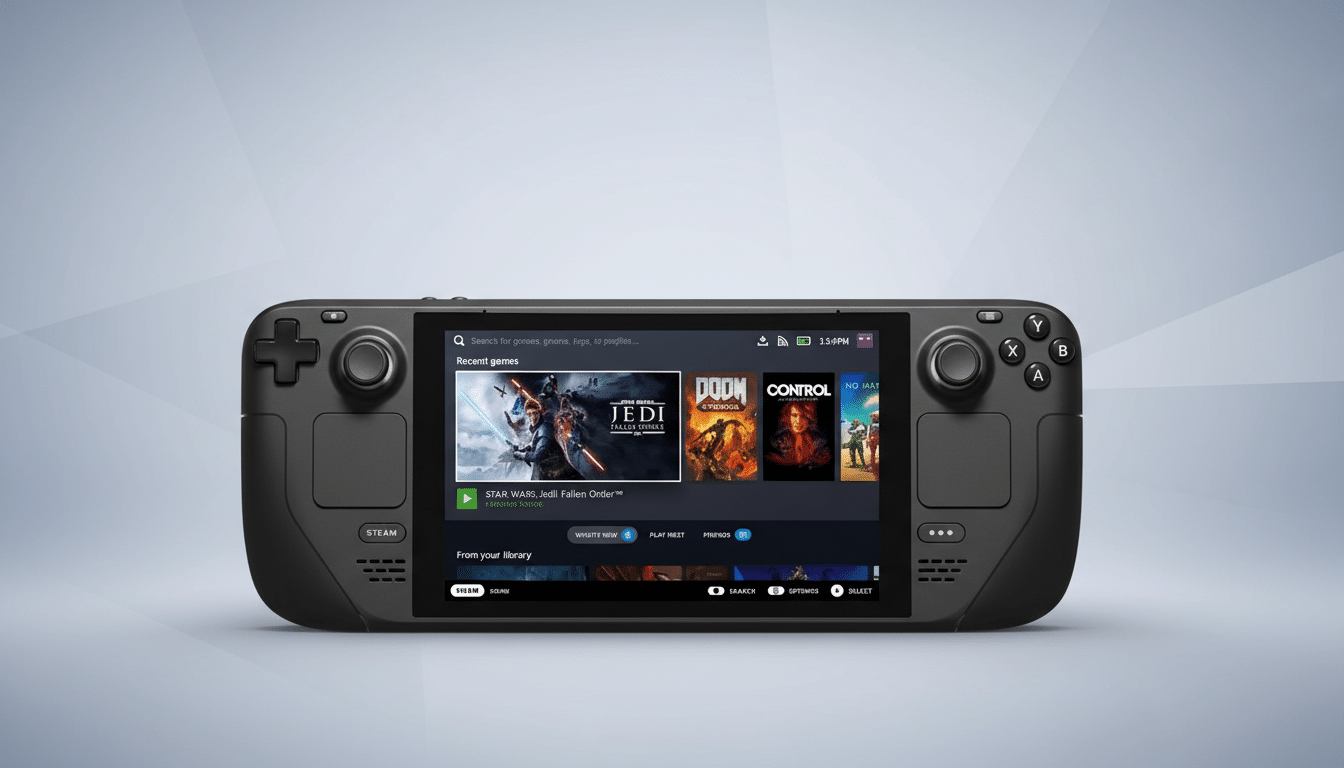
Valve is cautioning customers that Steam Deck OLED availability will be intermittent as memory and storage parts grow scarce, a warning now visible on the device’s store page. Multiple Steam Deck configurations appear sold out across major markets, underscoring how component constraints are rippling from data centers to consumer gaming gear.
Adding to the squeeze, Valve confirms the 256GB LCD Steam Deck has reached end of production and won’t return once remaining inventory is gone. At the moment, ordering options seem concentrated in select Asia markets such as Japan, South Korea, Taiwan, and Hong Kong, while many other regions list the handheld as unavailable.
The Memory Crunch Behind the Steam Deck Shortage
The root of the problem is a global memory bottleneck. Surging demand for artificial intelligence infrastructure has diverted capacity toward high-bandwidth memory and advanced DRAM, tightening supply of commodity DRAM and NAND used in laptops, handhelds, and SSDs. Major suppliers including SK hynix, Samsung, and Micron have prioritized AI-grade products, creating knock-on effects for consumer components like LPDDR5 and PCIe SSDs.
Industry channels report sharp price moves as supply tightens. According to a recent update from Sourceability, DRAM suppliers have pushed through 20%–30% increases, with some parts moving even higher as AI projects absorb available wafers and packaging capacity. Market trackers such as TrendForce have likewise flagged sustained, double-digit pricing gains and longer lead times as data centers stockpile memory for training and inference clusters.
NAND flash has followed a similar arc. After deep production cuts to stop a prolonged slump, manufacturers have been lifting prices amid resurgent demand. The result is BOM volatility for devices like the Steam Deck, where a single constrained controller or flash package can delay entire production runs.
Fallout for Steam Deck and Other Handheld PCs
Steam Deck OLED relies on LPDDR5 memory and NVMe storage—exactly the components caught in this squeeze. Even modest component gaps can force batch-based manufacturing, which is why Valve is signaling stop-and-go restocks rather than steady supply. The company’s note is a practical reflection of allocation realities in a market where AI customers are commanding priority.
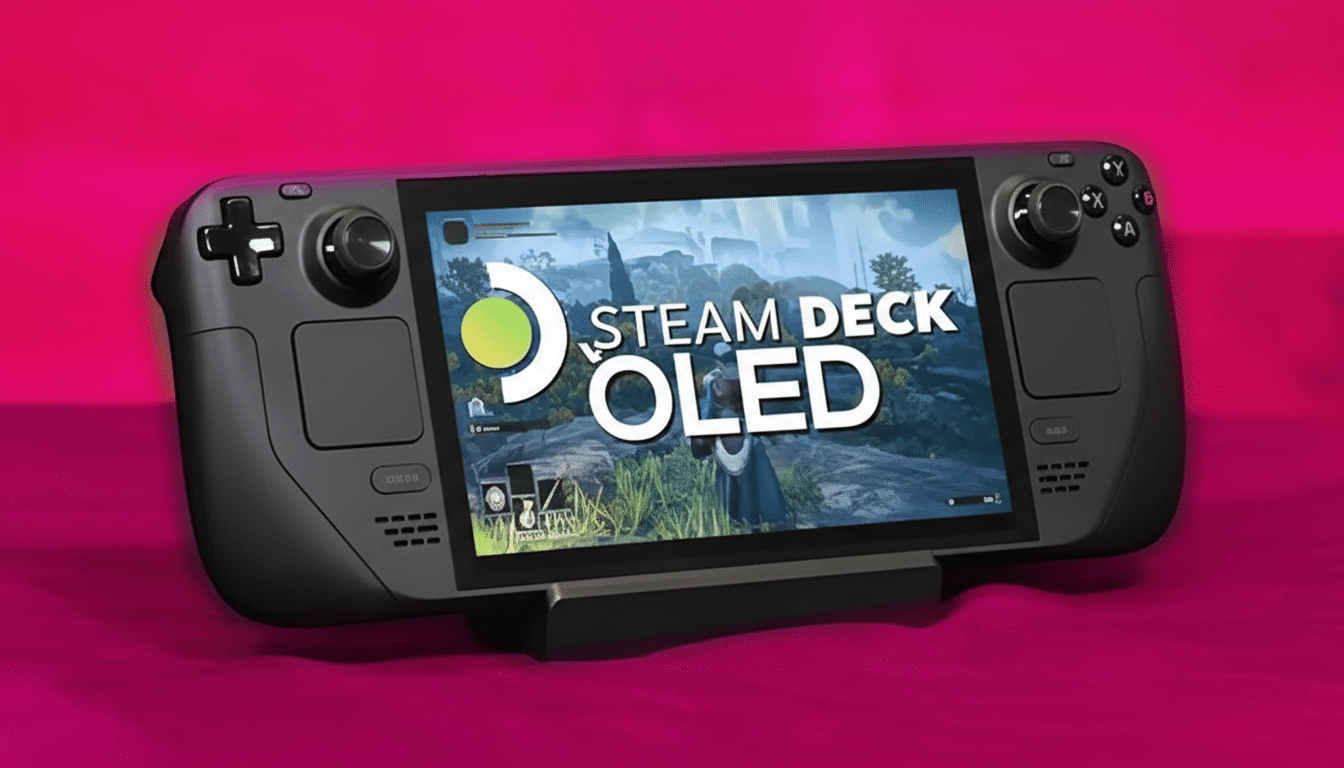
Sunsetting the 256GB LCD model also fits the pattern seen during component crunches: streamline SKUs, concentrate builds on newer designs with more predictable parts, and reduce variants that complicate purchasing. In short, once remaining LCD stock sells through, the lineup simplifies around models Valve can reliably source.
The impact isn’t isolated to Valve. Competing handheld PCs—including those from Asus and Lenovo, along with boutique makers—draw from the same DRAM and NAND pools. Retailers have already leaned on sporadic “drop” windows and bundles when inventories thin, echoing dynamics last witnessed during the graphics card and console shortages.
Valve’s Roadmap and What Comes Next for Steam Deck
Valve has acknowledged in its Steam Hardware FAQ that the memory crunch is complicating pricing visibility and the timing of future hardware launches. When DRAM and NAND cost curves swing by double digits in a single quarter, it becomes harder to lock MSRPs or guarantee launch volumes for anything from handheld revisions to PC and VR accessories.
Analysts expect tight conditions to persist as AI deployments accelerate. Relief hinges on new capacity for advanced memory—especially HBM—coming online and on improved yields across DRAM and NAND. Until that happens at scale, consumer devices will likely endure periodic outages, higher component costs, and fewer low-capacity configurations.
For prospective buyers, the playbook is familiar: sign up for stock alerts, check regional storefronts frequently, and be flexible on storage tiers if pricing permits. The Steam Deck’s performance isn’t in question—availability is. For now, Valve’s handheld is simply the latest high-profile device sidelined by an AI-driven memory market that shows little sign of easing.
