


Emulation of PC games on Android devices is certainly nothing new, but a company doing so with surprisingly good results is Valve.
I have spent the last seven days playing through Half-Life 2 on my OnePlus 5 Android phone and what I found was honestly quite surprising. By bankrolling crucial compatibility efforts and pushing Arm-first builds of its gaming stack, the company best known for Steam has quietly reduced roadblocks to running Windows’ sprawling library of games on phones and tablets.
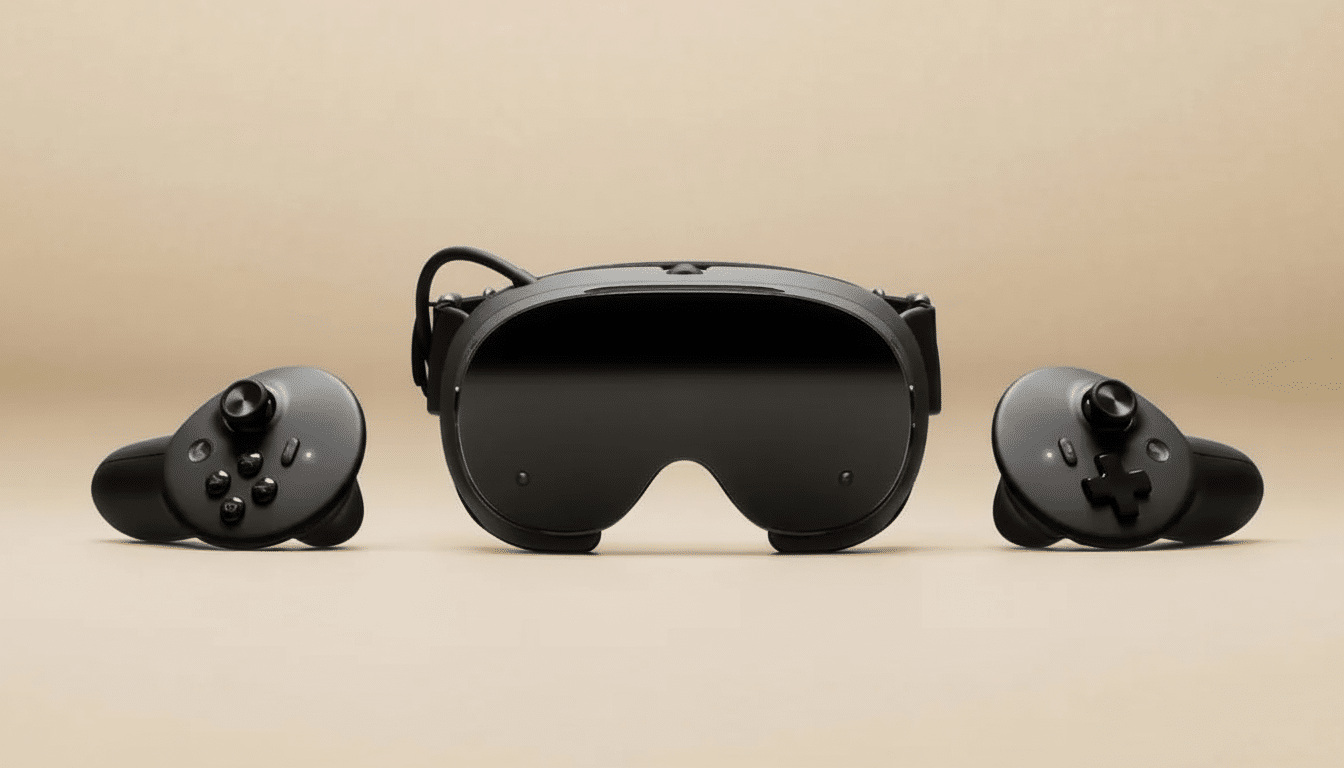
How Valve Cracked Open Android PC Emulation
Valve’s Pierre-Loup Griffais has confirmed the company is supporting key pieces of the Windows-on-Arm puzzle, including work on an open-source emulator by developer Ryan Houdek as well as on Proton (a compatibility layer developed along with CodeWeavers). That investment is not just Valve’s own hardware ambitions — it drops the barrier significantly on any Arm device (including Android) to play PC games with much less resistance.
It’s the same strategy that allowed the Steam Deck to exist: grab a patchwork of community tech, fund it, harden it, and ship it in a form that developers and players can trust. The thing is, now some of the same building blocks are hitting Android, a platform with powerful hardware but a user base far larger than what’s found among PC gamers and where support for Arm-native PC games has been lagging.
Proton and FEX: Running Windows Games on Arm
Proton is at the center of that leap. Based on Wine and turned up to 11 by projects like DXVK and vkd3d-proton, Proton translates those DirectX calls and Windows system APIs into terms the Linux kernel and Vulkan-based GPUs can comprehend. Valve has a dedicated Arm-oriented branch, which is essential for phones and tablets being AArch64-based SoCs.
On the CPU side, we have Houdek’s FEX emulator (which developers referred to in recent reports) doing the heavy lifting of translating x86-64 instructions into Arm64 operations on the fly. FEX runs the game code in parallel and Proton translates Windows graphics and audio to Vulkan/ALSA/OpenSL ES equivalents. The end result is a cohesive stack that is able to boot and run an ever-expanding list of PC titles lacking native ports.
This is not theoretical. The ProtonDB community already supports thousands of games on Linux, and, as you’d expect, they are more than happy to assist Arm with the common base that Valve did all that translational legwork for. On Android, where modern SoCs combine fast Arm cores with Vulkan-capable GPUs from Qualcomm and MediaTek, the gains will be swift to appear.
GameHub Demonstrates Components Running on Phones
One clear demonstration of this marketplace is GameHub, an Android emulator app that’s also the product of controller manufacturer GameSir. GameHub leverages both Proton and FEX under the hood, drawing on a user’s existing PC game library to power mapping of controller buttons, compiling complex shaders, and storing in mobile-ready packaging. It is the one-tap experience that makes technical progress seem common.
Early community demos give a sense of what runs well at present: lots of indie titles; old DirectX 9 and 11 games; and 2D or stylized-3D releases that don’t rely heavily on CPU-bound physics or invasive anti-cheat middleware. On modern, high-end Android devices with excellent Vulkan drivers, that turns into the surprising and oftentimes smooth playability of a good amount of back catalogs.

Why It Matters for the Wider Arm Ecosystem
Valve’s push comes as Arm-based PCs grow and phone silicon shrinks the performance gulf with low-wattage laptops. Instead of waiting for the trickle of custom ports, publishers can use compatibility layers that already allow a variety of huge libraries to work on Linux desktops. Griffais has also hinted at plans to expand SteamOS on additional Arm devices and pursue OEM partnerships that would further homogenize the software stack across handhelds, TVs, and phones.
The upside for Android is more immediate: closer access to PC libraries, cleaner support for controllers, and the possibility of having sessions work across devices. For developers, it lowers the price and risk of targeting Arm, since targets can be caught by the same Proton/FEX pathway for a wide variety of hardware without having to maintain splintered code bases through dozens of different devices.
Caveats, Performance, and the Road Ahead
There are limits. Anti-cheat measures like BattlEye and Easy Anti-Cheat typically shut out compatibility layers, eliminating a whole bunch of popular online shooters. Performance will be dependent on GPU drivers and thermals, and users still have to own the games they play. Emulation is perfectly legal in most of the world, but look out for individual end-user license agreements that restrict it — players should always double-check the terms they’ve agreed to.
Even allowing for those caveats, the trend is clear. Valve funds the hard bits like CPU translation, API mapping, and Arm-specific Proton work. Android is suddenly a viable place to play parts of your Steam library. And if SteamOS spreads to Arm hardware as has been teased, and mobile GPU drivers continue to improve, the line between handhelds, phones, and PCs will dissolve even faster.
It took a PC behemoth to make PC-on-phone gaming viable.
By subsidizing the open-source plumbing and cajoling partners like CodeWeavers and individual emulator authors, Valve has turned a niche hobbyist pursuit into something that regular Android users can actually try out.
Sources: Valve’s Pierre-Loup Griffais, developer updates from Ryan Houdek, Proton and Wine project documentation, CodeWeavers technical notes, The Verge reporting on Valve’s Arm initiatives.
