


Romance scammers are capitalizing on peak dating season, and the schemes are getting smarter. Investigators and consumer advocates say criminals now blend emotional manipulation with convincing tech—think deepfaked photos, cloned voices, and slick fake apps—to separate people from their money and personal data. Staying safe requires spotting subtle tells, verifying identities, and refusing the pressure that powers these cons.
Romance Scams Are Rapidly Evolving With AI Tools
Scammers increasingly create synthetic personas that look and sound real. With a few stolen images and AI tools, they can craft a “perfect” match, hold fluent conversations, and even send tailored voice notes. Security researchers warn that this sophistication lowers our guard, especially when we’re primed for connection around Valentine’s Day.

It’s not just on mainstream dating apps. McAfee reports a wave of fake “exclusive” or “invite-only” dating sites designed to harvest logins and payment details; a third of adults in its survey said they’d received such invitations, and 14% signed up. The company also tracked a surge in malicious app clones, with Tinder lookalikes prominent and fraudulent versions of Plenty of Fish making up a large share of detected fakes over a recent six-week period.
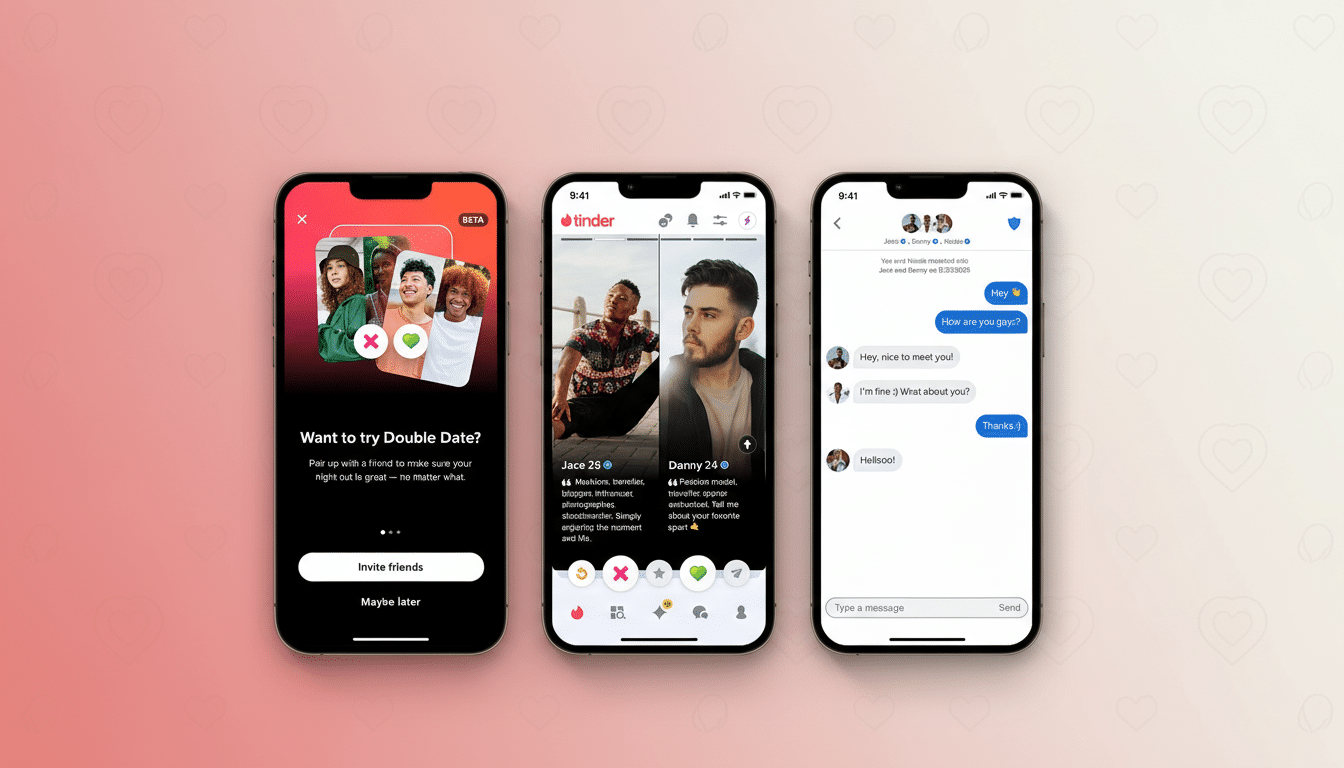
Visa’s risk team has similarly flagged networks of romance sites engineered to mimic affection and trap victims in recurring billing. In response to rising fraud and impersonation, major platforms are adding verification features—Tinder now requires face scans for new U.S. sign-ups, and other apps are testing comparable checks—yet off-platform scams and app clones remain a serious threat.
Key Red Flags To Spot Before You Swipe Right
Rushing intimacy is a classic tell. If someone professes love within days, insists you’re “meant to be,” or pushes to move conversations off the app to encrypted messaging, slow down. These tactics are designed to isolate you from safety tools and accelerate trust before inconsistencies show.
Money requests—no matter how sympathetic—are the line you should never cross. Scammers ask for help with emergencies, visas, hospital bills, or “can’t-miss” investments. They steer you to irreversible rails like crypto, wire transfers, or gift cards and may send QR codes, payment links, or demand verification codes. Any request for bank details or copies of IDs is a major red flag.
Refusing to video chat or meet in public after reasonable planning is another warning. So are profiles that seem too polished, stories that don’t line up with time zones or jobs, and sudden pivots to “investment opportunities” (a hallmark of pig-butchering scams that begin as romance and end with fake trading platforms).
What The Numbers Say About Modern Romance Scams
McAfee’s research indicates two in five people ages 18–24 encounter potential romance scams weekly—far more frequently than older adults. In the same survey, 15% of Americans said they’ve lost money to a romance or online dating scam, with men reporting losses more often (21%) than women (10%). Most losses among younger victims are under $500, but cases can quickly escalate into the thousands.
Government figures echo the scale of the problem. The Federal Trade Commission has reported more than $1 billion in annual consumer losses to romance scams in recent years, and the FBI’s Internet Crime Complaint Center consistently ranks confidence/romance fraud among the costliest complaint categories. Underreporting remains a major issue because victims often feel ashamed or blame themselves.
How To Stay Safe Online And Verify Identities
Insist on friction that proves reality. Ask for a brief live video chat before getting invested. Use reverse image search on profile photos and watch for recycled bios. Verify employment and location details using public sources, and be wary of anyone who can’t share ordinary specifics about their day-to-day life.
Keep conversations in-app until after you meet in person, where platform reporting and identity checks offer some protection. Never send money, crypto, gift cards, or verification codes to someone you haven’t met. Download dating apps only from your phone’s official store and avoid “exclusive invite” links. Turn on two-factor authentication for email, social media, and financial accounts.
Protect your financial surface area: use payment cards that allow chargebacks, monitor statements, and set up alerts. If an online love interest talks investments, assume it’s a setup—walk away and talk to a trusted friend or advisor before acting on any financial pitch.
If You Suspect A Scam Or Have Already Lost Money
Stop contact immediately and document everything—profiles, messages, payments, and usernames. Report the account to the platform. Contact your bank or card issuer to attempt chargebacks or blocks; if crypto was involved, notify the exchange at once.
File reports with the Federal Trade Commission and the FBI’s Internet Crime Complaint Center. If your identity was exposed, place a fraud alert with major credit bureaus and consider a credit freeze. Most importantly, loop in someone you trust. Shame is the scammer’s strongest ally, and swift action is your best chance to limit the damage.
Love isn’t a race, and it never requires secrecy or urgent payments. This season, let patience, verification, and healthy skepticism be your default settings.
