


The US government is preparing a new website designed to host or mirror material blocked by foreign authorities, setting up a direct challenge to European-style content restrictions and a fresh test of transatlantic digital policy. According to reporting from Reuters and other outlets, the State Department-linked portal would give users a single destination to access content taken down or geo-blocked under other nations’ laws.
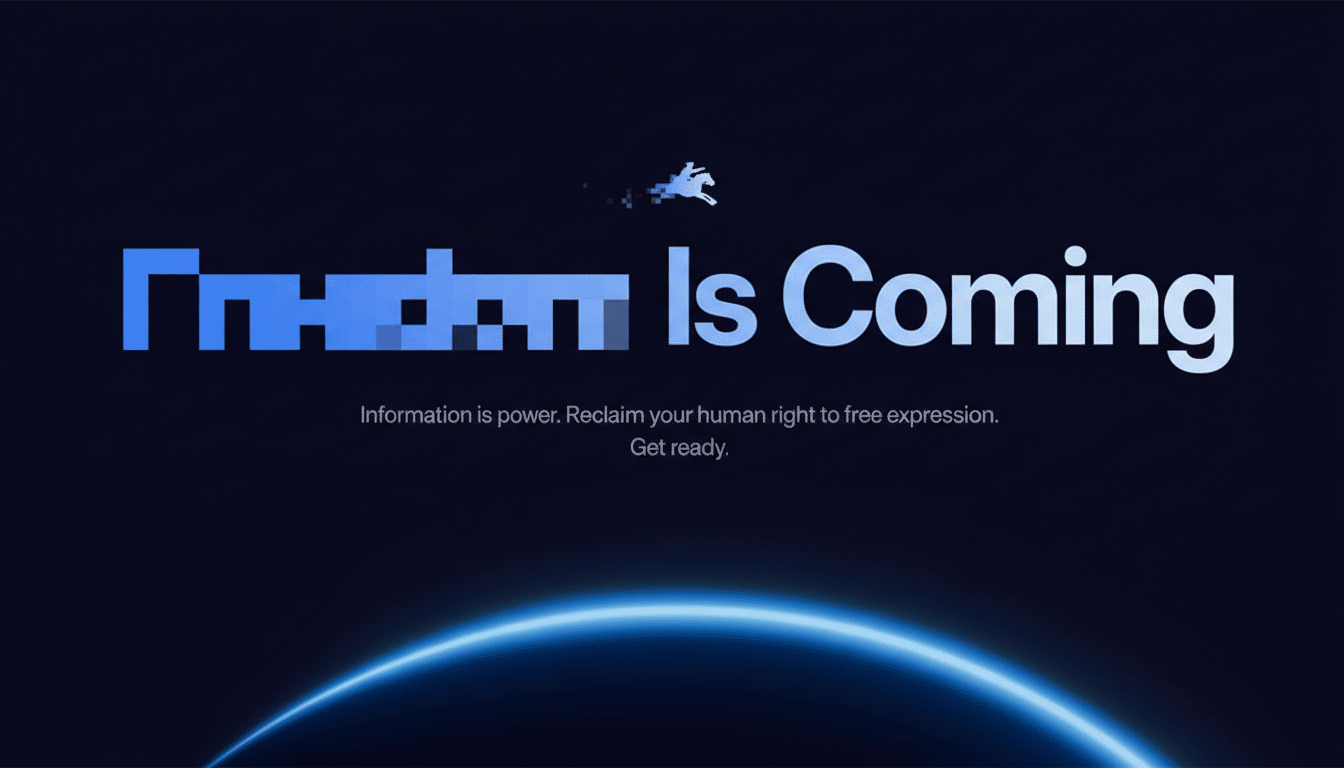
The site, surfaced publicly as Freedom.gov, features free expression messaging and hints at broader anti-censorship tools. The move underscores a sharper US posture on speech online—and risks colliding with the European Union’s increasingly muscular enforcement on hate speech, terrorist propaganda, and harmful disinformation.
What the portal promises for access and anti-censorship
People familiar with the project told Reuters the hub is intended as a landing page for content facing legal or platform-based blocks in Europe and elsewhere, potentially including mirrors or archives of disputed posts, articles, or videos. Internal discussions reportedly included a VPN-style feature that would route traffic through US servers to bypass geolocation blocks. Those same sources said the page would not track user activity.
A State Department spokesperson has pushed back on some characterizations, saying the government does not run a Europe-specific circumvention program while emphasizing that “digital freedom” and support for privacy and censorship-circumvention technologies remain priorities. Leadership for the effort has been linked to the State Department’s public diplomacy shop, with reporting tying technical support to the Cybersecurity and Infrastructure Security Agency.
Why the project risks colliding with strict EU rules
Europe’s legal framework draws a sharper line than the US on specific categories of speech. Germany’s NetzDG threatens steep fines for platforms that fail to remove illegal hate speech, while French and German criminal codes ban Nazi symbols and Holocaust denial. EU-wide rules add further bite: the Terrorist Content Online Regulation compels platforms to remove flagged terrorist material within one hour, and the Digital Services Act (DSA) requires risk mitigation on disinformation and allows fines up to 6% of global turnover.
Regulators have shown a readiness to use those powers. The European Commission has opened formal DSA proceedings against major platforms over disinformation and transparency concerns, and national authorities regularly issue legal takedown orders for extremist propaganda. A US government site that systematically republishes or routes around such removals could be perceived in Brussels as an attempt to undercut EU law—especially if it becomes a high-profile destination for content that platforms were compelled to delete or block in the bloc.
Complicating matters, political tensions over the amplification of far-right narratives online—and the spread of foreign influence operations—have already put transatlantic speech norms under strain. Any official US effort that rehosts material EU governments deem illegal will ignite questions of jurisdiction, mutual legal assistance, and the limits of safe harbor when the host is a sovereign state.
Privacy and security questions facing a government portal
Even with assurances of no tracking, a government-operated access point raises significant operational security concerns for users in restrictive environments. VPNs can obscure location, but traffic concentration through a single service can create metadata risks, and a US-branded portal may increase exposure for users in countries that criminalize circumvention tools. Security researchers will scrutinize whether the service isolates logs, resists fingerprinting, and publishes independent audits.

There is also a practical moderation dilemma: if the portal republishes content deemed illegal in EU member states, will it create parallel review mechanisms to prevent hosting genuinely criminal material, such as explicit terrorist instruction manuals? Striking a line between political speech and illegal content will test any editorial policy attached to a government domain.
A Break With Past Internet Freedom Playbooks
For years, the State Department’s Internet Freedom programs funded open-source circumvention tools and digital security training—usually at arm’s length from specific content disputes. Critics note that recent cuts to those programs and a reported withdrawal from multilateral initiatives like the Freedom Online Coalition signal a shift away from coalition-building toward unilateral gestures. A former US official told the Guardian that a public portal feels “performative,” suggesting it reframes policy disagreement with allies into confrontation.
If the aim is to signal a red line on speech, the tactic could resonate domestically. Internationally, however, it risks prompting counters by EU regulators, including formal inquiries, notices to US agencies, or requests for geo-blocking at the infrastructure level. Europe’s record on enforcement—from GDPR penalties that have climbed into the billions of euros to early DSA probes—suggests it will not shy away from testing remedies.
What to watch next as the portal moves toward launch
All eyes will be on how the portal launches and what it actually hosts on day one. If it simply aggregates links to mirror sites run by non-governmental actors, it may present fewer diplomatic flashpoints. If it directly rehosts material targeted by EU orders, the legal stakes rise immediately.
Key signals will include:
- Publish a transparency report
- Adopt clear moderation and appeals policies
- Undergo independent security audits
Also critical: any decision to bundle a VPN-like feature, which would make the service more useful—but exponentially more sensitive—to partners abroad.
For now, Freedom.gov’s message is unmistakable. The United States is preparing to test Europe’s red lines on online speech, not through a white paper, but with a live government platform built to route around the bloc’s bans.
