


The UK government is weighing a ban on virtual private networks for under-18s, after peers backed an amendment to the Children’s Wellbeing and Schools Bill that would prohibit “Relevant VPN Services” from being provided to children. The move targets a growing workaround to age checks introduced under the Online Safety Act and could redefine how minors access the internet in the UK.
What the Amendment Would Do to Curb Child VPN Use
The amendment instructs the Secretary of State to introduce regulations, within a year of the Bill becoming law, to stop the provision of consumer VPN services to children. In practice, that would likely force VPN providers and app stores to deploy robust age assurance before letting a UK child download, subscribe to, or use a VPN.
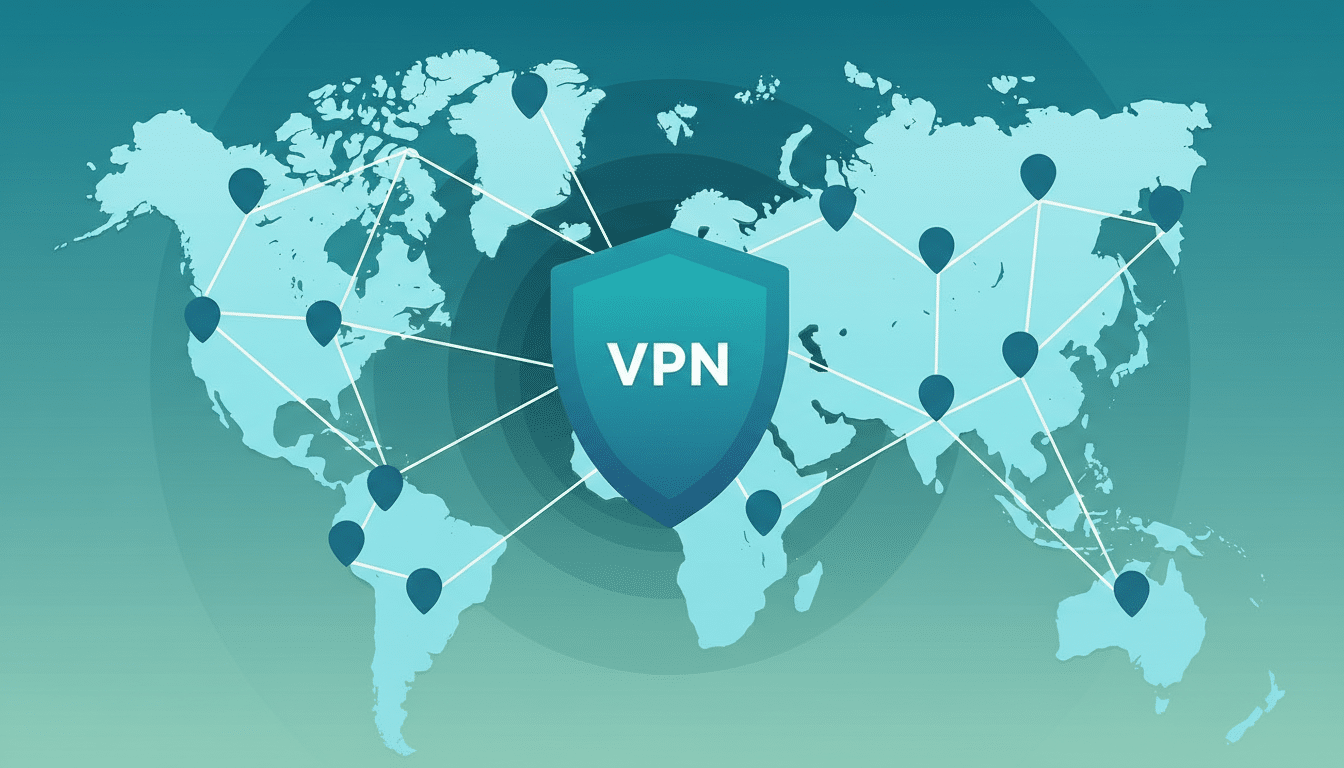
Crucially, the text leaves much to secondary legislation: the definition of a “Relevant VPN Service,” the mechanisms of age checks, exemptions for enterprise or educational VPNs, and penalties for non-compliance. MPs will now scrutinize and potentially revise the measure during the Commons–Lords “ping-pong” process before any ban could be enacted.
Why VPNs Are in the Crosshairs of the UK Child-Safety Push
Since key Online Safety Act provisions started to bite, age gates on pornography and other content deemed harmful to children have become more common. VPNs, which can mask a user’s location and identity, offer an easy path around those restrictions. Several major VPN providers say UK sign-ups surged after the law took effect, with some reporting usage more than doubling among new UK accounts.
Content platforms have also tightened their rules. Pornhub’s owner, Aylo, has argued that VPN use undermines site-level age checks and has publicly urged a shift toward device-level or network-level filters that are harder for minors to evade. The proposed VPN limits reflect a similar logic: if children can’t readily install or access a VPN, age checks elsewhere are more likely to work as intended.
Regulators, meanwhile, see a broader pattern. Ofcom’s latest Children and Parents report indicates that most UK teens own smartphones and go online daily, and many encounter content for which the Online Safety Act’s protections were designed. A curb on VPNs would aim to shore up those protections across the ecosystem.
How a Ban Might Be Enforced Across Apps and Networks
There are several levers. App stores could require rigorous age assurance before allowing VPN downloads in the UK. Payment processors could block subscriptions that lack a verified adult. Internet service providers could be directed to disrupt access to non-compliant VPN endpoints.
None are trivial. VPN traffic is encrypted, often runs on common ports, and can rapidly rotate servers, making broad network blocking prone to collateral damage. Corporate and educational VPNs would likely need whitelisting, yet distinguishing “good” from “consumer” VPNs at scale is technically complex. Schools and workplaces already block some VPN protocols on their own networks; extending that nationwide would require careful calibration to avoid disrupting legitimate security and remote work.
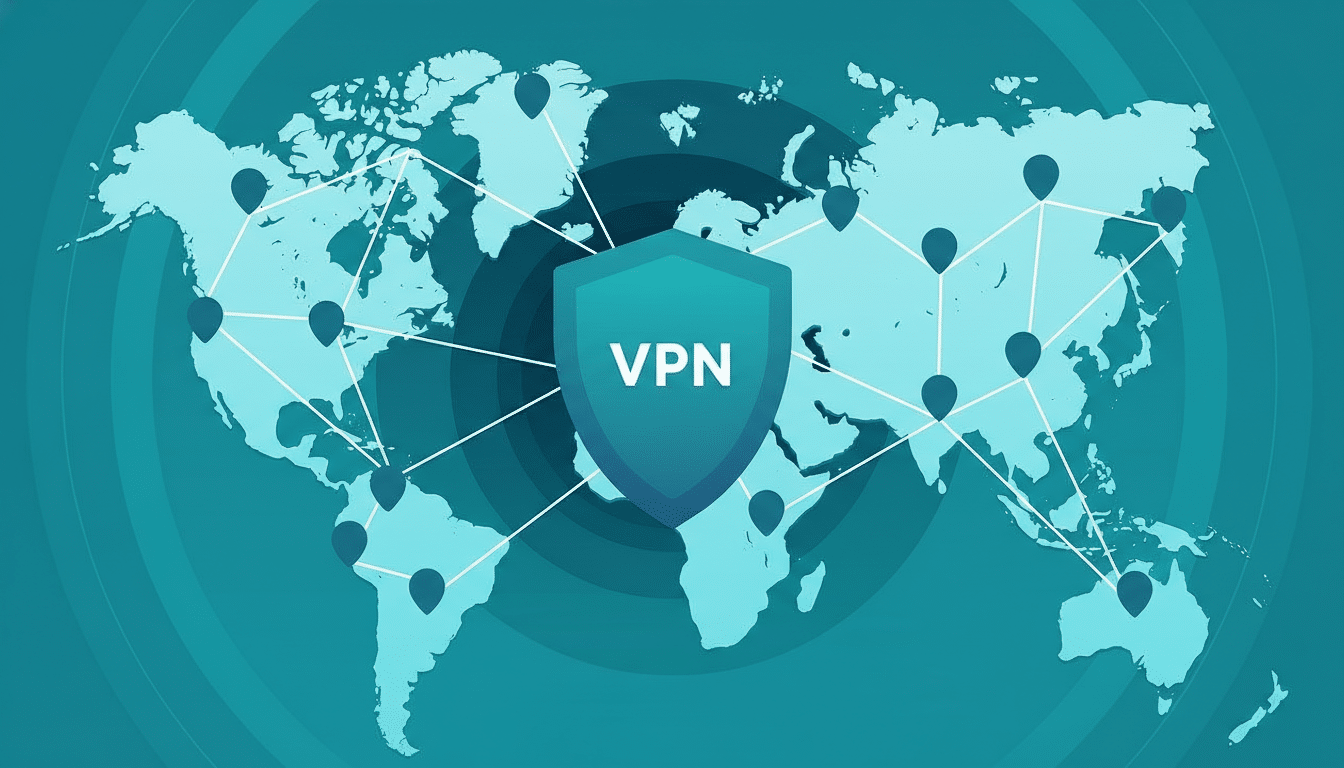
Age assurance also raises implementation questions. Options range from mobile network checks to document scanning or privacy-preserving facial age estimation. The Information Commissioner’s Office has repeatedly stressed data minimisation and “age assurance, not identification,” a principle any VPN rules would need to respect to avoid unnecessary collection of children’s personal data.
Privacy and Child Safety Debate Around Restricting VPNs
Child-safety organisations argue that restricting VPNs would strengthen the Online Safety Act, closing an obvious loophole. Groups such as the NSPCC and the Internet Watch Foundation have long pressed for measures that make it harder for minors to access pornography and other harmful content, and they are likely to view VPN controls as a complementary tool.
Digital rights advocates, including Big Brother Watch and the Open Rights Group, warn that a ban risks overreach. They highlight potential impacts on young people who use VPNs for privacy, cybersecurity, or to safely access information—particularly LGBTQ+ youth or those in abusive situations. They also caution that mass age checks can entrench identity verification across the web, creating new privacy and security risks if data is breached or repurposed.
The international context is shifting too. In the United States, lawmakers in at least one state have floated proposals to restrict minors’ access to both pornography and VPNs, signalling a broader policy turn toward limiting circumvention tools for children.
What Happens Next as the Bill Moves Through Parliament
The Bill still has to clear the Commons with the VPN language intact. Even if it does, the government would need to consult on definitions, enforcement, exemptions, and redress—then translate those outcomes into workable regulations. Expect a debate over whether app stores, ISPs, or payment firms should carry the heaviest compliance burden, and how any rules interact with the Online Safety Act and the ICO’s Children’s Code.
For parents, nothing changes immediately. Existing tools—ISP family filters, device-level parental controls, and school network policies—remain the front line. But if the amendment becomes law, the UK could become one of the first democracies to formally classify mainstream consumer VPNs as unsuitable for minors, a decision that would ripple across tech policy, privacy norms, and the practical realities of growing up online.
