


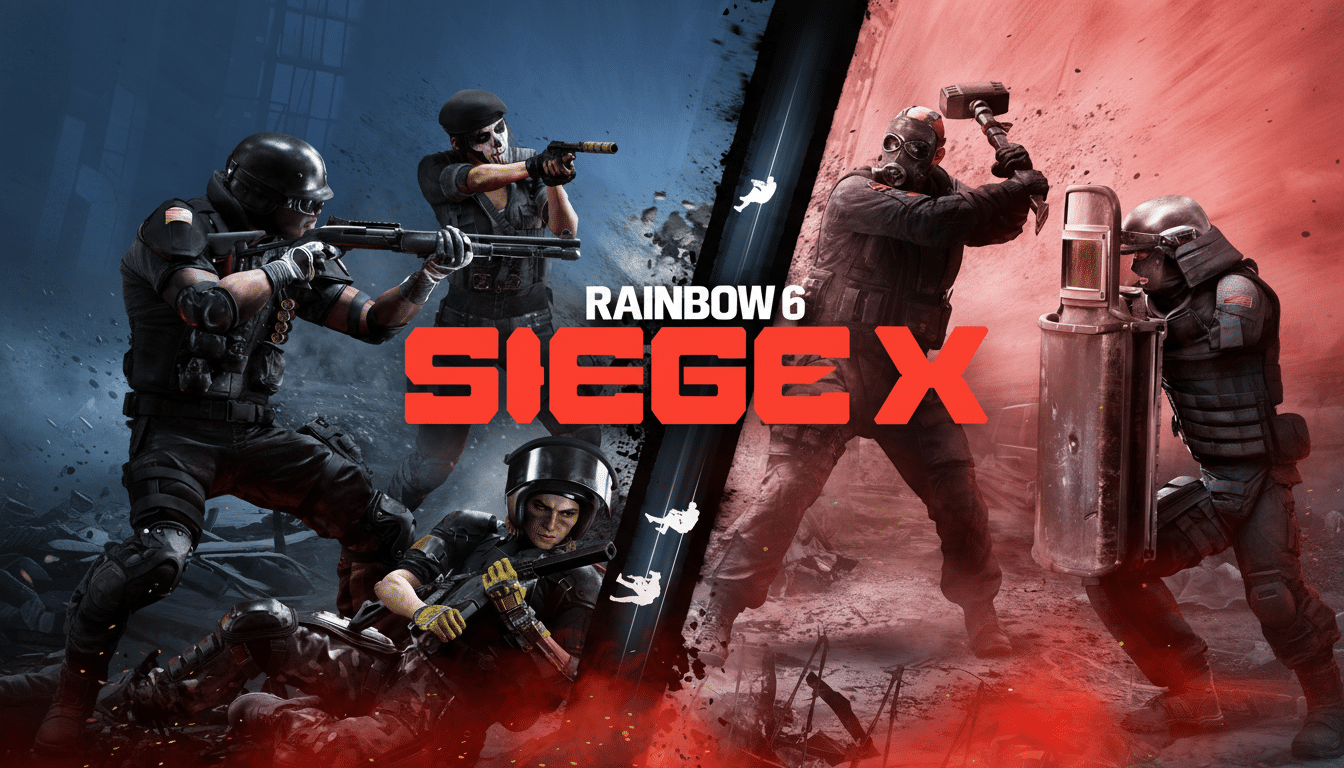
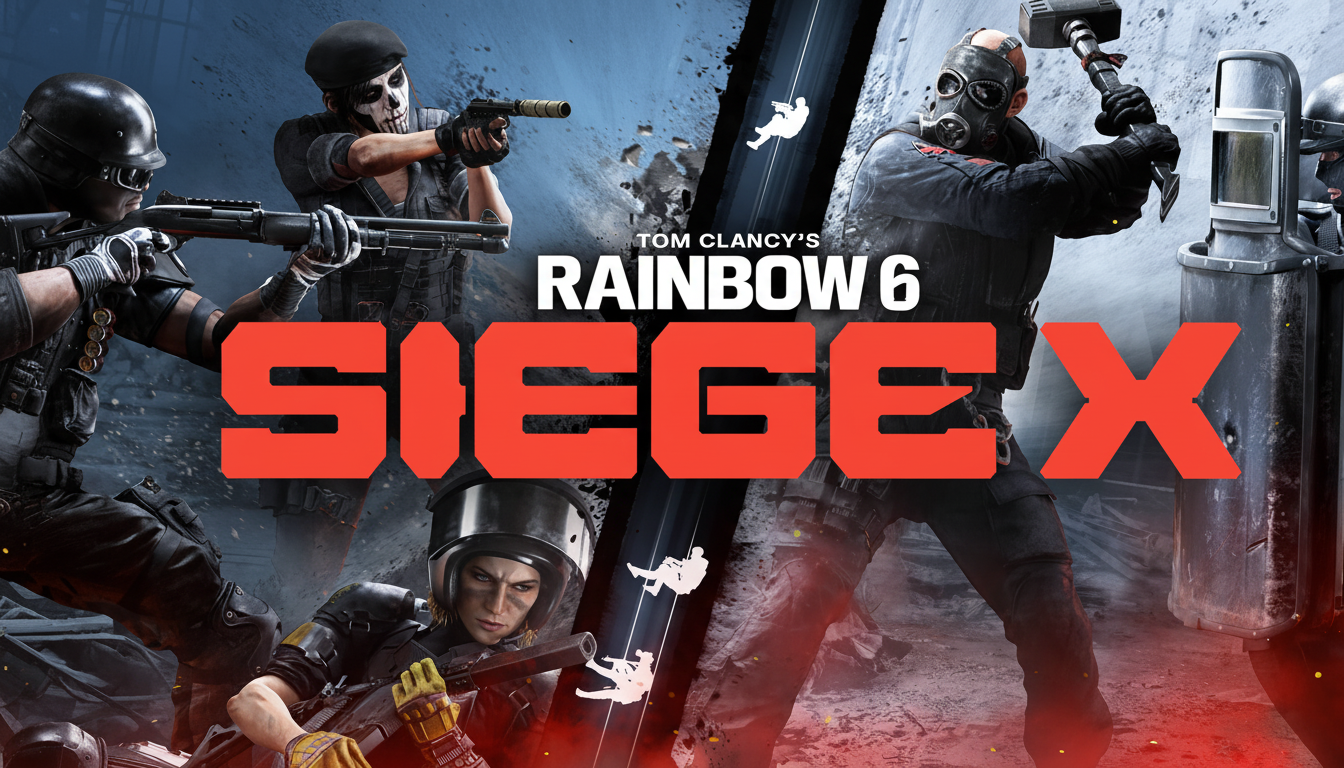
Ubisoft has temporarily shut down Rainbow Six Siege in response to a major security breach that flooded player accounts with large quantities of in-game currency, and caused visible system messages across the game universe. The publisher closed both the live game and its official item Marketplace while investigating and acting to mitigate the damage.
How the Rainbow Six Siege Breach Unfolded and Spread
Players shared reports and clips of accounts being pumped with rare cosmetics and up to 2 billion R6 Credits. When Ubisoft itself sells 15,000 Credits for $99.99, that cash-out equates to over $13 million in real-world value. This was not your average exploit; it appeared to be unauthorized access to backend systems that control the economy in Siege.
- How the Rainbow Six Siege Breach Unfolded and Spread
- Ubisoft’s Immediate Response and Restoration Timeline
- Why the In-Game Economy Was Targeted in Rainbow Six Siege
- What Could Have Gone Wrong Inside Backend Systems
- What Players Should Do Next to Secure Their Accounts
- The Larger Impact For Live-Service Games
Players caught strange pop-ups parading as disciplinary notices that were actually taunts, questions, and even song lyrics. Ubisoft specified the game’s ban ticker was indeed taken down ahead of time, which meant those messages were not system-generated, thereby underpinning speculation about a compromise at the server level as opposed to something on the client side.
Ubisoft’s Immediate Response and Restoration Timeline
Ubisoft recognised the problem and took the game and Marketplace offline in a hurry to stop further exploitation of it. They even had a rollback to a previous stable state and performed thorough quality checks — before SLOWLY reopening servers for all players.
In an effort to prevent the in-game economy from being affected, Ubisoft stated that any transactions after a certain cutoff would be reversed. Players who splurged the windfall won’t be banned, but their purchases won’t count. The Marketplace will stay shut until the investigation has been completed and protections have been implemented, while Ubisoft noted that some legitimate buyers may lose access to items during restoration.
Why the In-Game Economy Was Targeted in Rainbow Six Siege
By this point, Siege’s economy is a cornerstone of its years-long live-service approach. R6 Credits are the link between real money and in-game R6 Credits to spend on Operators, skins, charms, bundles, and more. And with a valid player-to-player Marketplace adding liquidity and price signals. When bad actors mint or issue currency at scale, that introduces inflationary shock, and sows corruption of scarcity and undermines trust — all things which can ripple out for months if not quickly handled.
The scale matters. You can’t pump eight figures into a closed economy; it’s like a central bank misprint. Other games have struggled with these crises in the past: FIFA coin-selling rings distorted the markets of Ultimate Team for years, Diablo’s original Auction House suffered from unintended incentives, and skin economies within tactical shooters have dealt with duplication bugs that crop up at regular intervals. Siege’s quick shutdown and rollback are in line with hard-won insights from those episodes.
What Could Have Gone Wrong Inside Backend Systems
Ubisoft has not shared how the vector was achieved. Its symptoms — tampered notification feeds, mass currency grants, and a gorilla nervously glancing at its Market history — are indicative of admin tooling or service-to-service auth being compromised rather than a client-side exploit. Prominent themes in similar occurrences are leaked API keys, privilege escalation via improperly secured cloud infrastructure, and misuse of internal dashboards built for moderation or commerce.
Industry advice from groups such as the UK’s National Cyber Security Centre and CISA urges tight least-privilege access, hardware security modules for signing keys, and continuous monitoring of high-risk transactions. Major studios typically also add their own independent red-team exercises and bug bounty programs to test the very systems that physically transfer currency and items between accounts.
What Players Should Do Next to Secure Their Accounts
Anti-windfall credits will be rolled back and balances restored to pre-incident levels. A few legitimate purchases may momentarily vanish; Ubisoft says those should come back as reconciliation finishes in the following weeks. Players are recommended to visit the latest activity on their Ubisoft Connect account, reset their password, and enable 2FA as they guard against the opportunistic credential stuffing which frequently follows high-profile breaches.
If you are a frequent consumer on the Marketplace, prepare for a longer halt.
Market data and price histories are thrown off after currency shocks, with servers enforcing anomalous listings/transfers in near real-time. That added friction makes it more difficult to launder ill-gotten gains when services come back online.
The Larger Impact For Live-Service Games
Tom Clancy’s Rainbow Six Siege is propping up a huge, years-long fanbase on an economy which spans cosmetics and operators to incentives shaped for ranked play. Based on continual monitoring by the Akamai threat research team, gaming continues to be a big target of DDoS, as well as credential abuse and fraud attacks — which means planning for resiliency is part of running a leading live-service title.
What Ubisoft did, in the speed with which it took down the game, rolled back progress, and then staggered into a red-faced relaunch, were all textbook containment steps. Now comes recovery: cleansed audit trails, verified account integrity, rebuilt confidence that the Marketplace and the economy reflect fair play. For Siege’s competitive scene, that trust is more valuable than any skin in the store.
