


Ubisoft has halted development on the long-anticipated Prince of Persia: The Sands of Time remake and cut five additional projects as part of a sweeping reorganization designed to tighten its portfolio and improve profitability. The publisher outlined a new operating model built around specialized studios, a sharpened focus on open-world and live-service titles, and increased investment in player-facing generative AI.
A Remake That Never Found Its Footing after Delays and Handoffs
First revealed years ago and delayed multiple times, the Sands of Time remake struggled through a studio handoff from Ubisoft Mumbai and Pune to Ubisoft Montreal and never regained momentum. The company said the project could not meet its quality bar without disproportionate time and spending, adding that the brand remains important and the decision does not spell the end of the franchise.
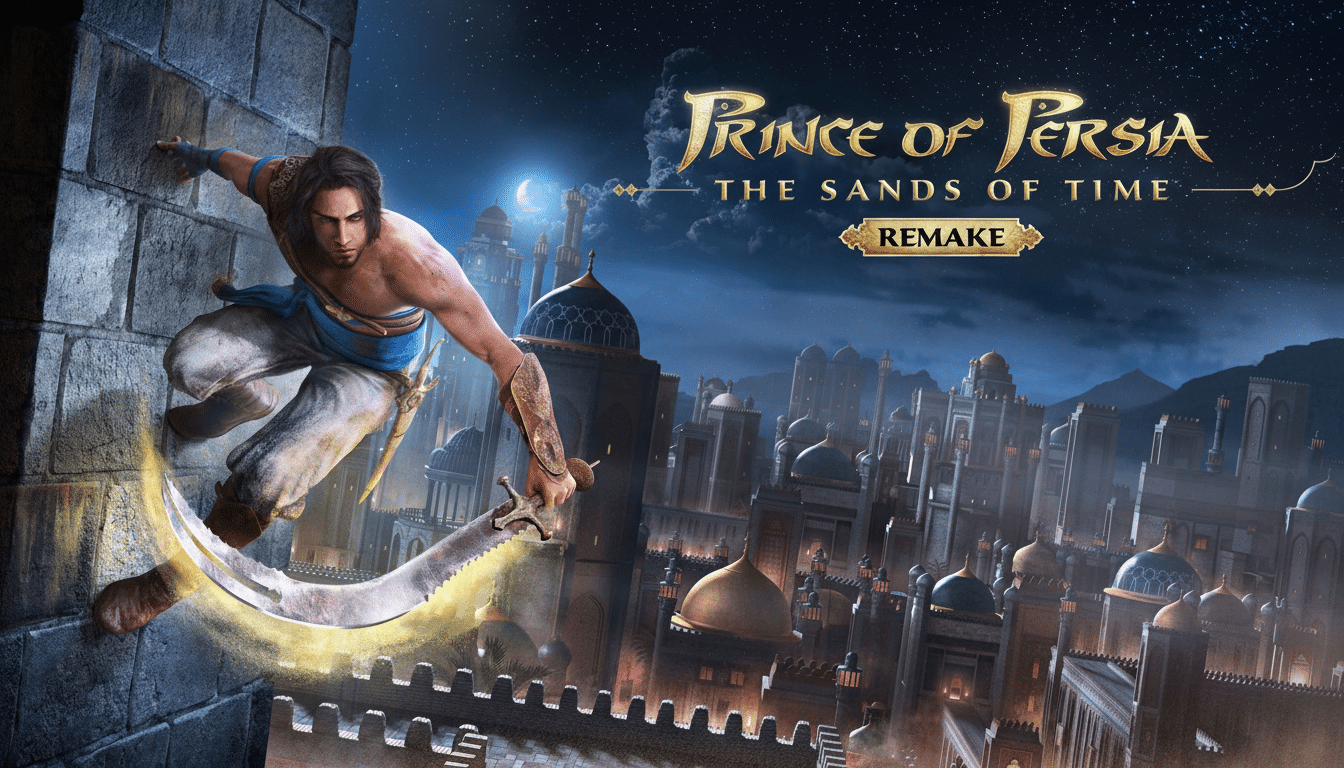
The cancellation stings for fans who had rallied around the beloved action-platformer’s return. It also underscores how remakes, while seemingly low-risk, can become costly when technology shifts, pipelines stall, or early creative bets miss the mark—especially for an IP known for precise movement, elegant level design, and a now-iconic time-rewind mechanic.
Inside Ubisoft’s New Operating Model and Structure
At the heart of the overhaul is a new structure of five genre-focused “Creative Houses,” each with responsibility for concept, production, and publishing, backed by centralized support through a Creative Network and Core Services. Leadership framed the move as decentralizing creative authority while tightening financial accountability and accelerating decisions.
CH1, dubbed Vantage Studios, will scale Ubisoft’s biggest franchises such as Assassin’s Creed, Far Cry, and Rainbow Six. CH2 will steer competitive and co-op shooters including The Division, Ghost Recon, and Splinter Cell. CH3 takes on persistent live games like For Honor, The Crew, and Skull and Bones. CH4 focuses on narrative and fantastical worlds—Anno, Rayman, Beyond Good & Evil, and Prince of Persia. CH5 handles casual and family-oriented brands, including Just Dance, Uno, and Hasbro partnerships.
Portfolio Cuts And Prioritization Under the Overhaul
Alongside the Sands of Time remake, five other titles were shelved following a pipeline review. Four of those had not been announced, and three were new IPs. Ubisoft linked the cancellations to a stricter quality threshold and a more selective portfolio strategy. The company also reiterated plans to push deeper into open worlds and live services, while accelerating “player-facing” generative AI—building on prior R&D like its Ghostwriter tool for NPC dialogue.
There’s clear logic in the cuts: concentration around franchises with proven retention curves typically improves predictability and lifetime value. The risk, of course, is overconcentration. Fewer, bigger bets can amplify volatility if a flagship slips or misses expectations, and canceling a fan-favorite remake can dent sentiment even as it frees resources for higher-upside projects.

The Cost Equation And Workforce Impact at Ubisoft
Management has signaled that the restructuring will weigh on results in the near term but is designed to strengthen margins over time. Headcount has already fallen by about 19% from its recent peak, according to figures discussed on an earnings call, with additional streamlining ongoing.
Studio closures in Halifax and Stockholm have been announced, and Ubisoft confirmed a reduction of 29 roles tied to an Abu Dhabi reorganization, with a further 55 positions expected to be cut across Massive and Stockholm. It’s a sobering backdrop that mirrors broader industry consolidation as publishers prune slates, reduce fixed costs, and lean into back-catalog monetization.
The strategic bet is familiar: live games can deliver steadier bookings and long-tail engagement. Ubisoft’s track record with Rainbow Six Siege and the enduring draw of Assassin’s Creed show the upside. Yet live operations demand relentless content cadence, careful monetization, and strong community stewardship—areas where missteps are immediately punished.
What It Means For Prince Of Persia’s Future Plans
Ubisoft emphasized that Prince of Persia remains part of its future within CH4’s remit. The franchise has shown it can evolve—most recently with a fresh 2D take that earned strong critical notices—suggesting that new entries, rather than remasters, may offer a clearer creative path. Still, shelving a high-profile remake raises the bar for whatever comes next; fans will expect bold design and impeccable execution, not a compromise solution.
For players and investors alike, the near-term watchlist is straightforward: clarity on the three-year slate under the Creative Houses, evidence that AI tools can reduce costs without eroding craftsmanship, and, most importantly, delivery on a smaller set of blockbusters that justify the pivot. The cancellation of the Sands of Time remake is a headline moment, but the success of this restructuring will be measured by the games that actually ship.
