


In Dallas, Uber has started offering autonomous rides, pairing some UberX, Comfort and Comfort Electric trips with Avride’s driverless Hyundai Ioniq 5s at no additional cost.
Riders for whom the option is available in the app will see the option and can select a traditional car or an autonomous vehicle.
- How Uber’s Dallas Robotaxi Service Works for Riders
- Inside Avride’s Ioniq 5 Robotaxis Operating in Dallas
- Operations and Scaling Plans for Uber’s Dallas AVs
- Why Dallas Is a Strong Test Case for AV Deployment
- Safety Measures and Regulatory Oversight for Dallas AVs
- Competition in Dallas and Uber’s Autonomous Vehicle Roadmap
- What Riders Should Expect from Uber’s Dallas Robotaxis
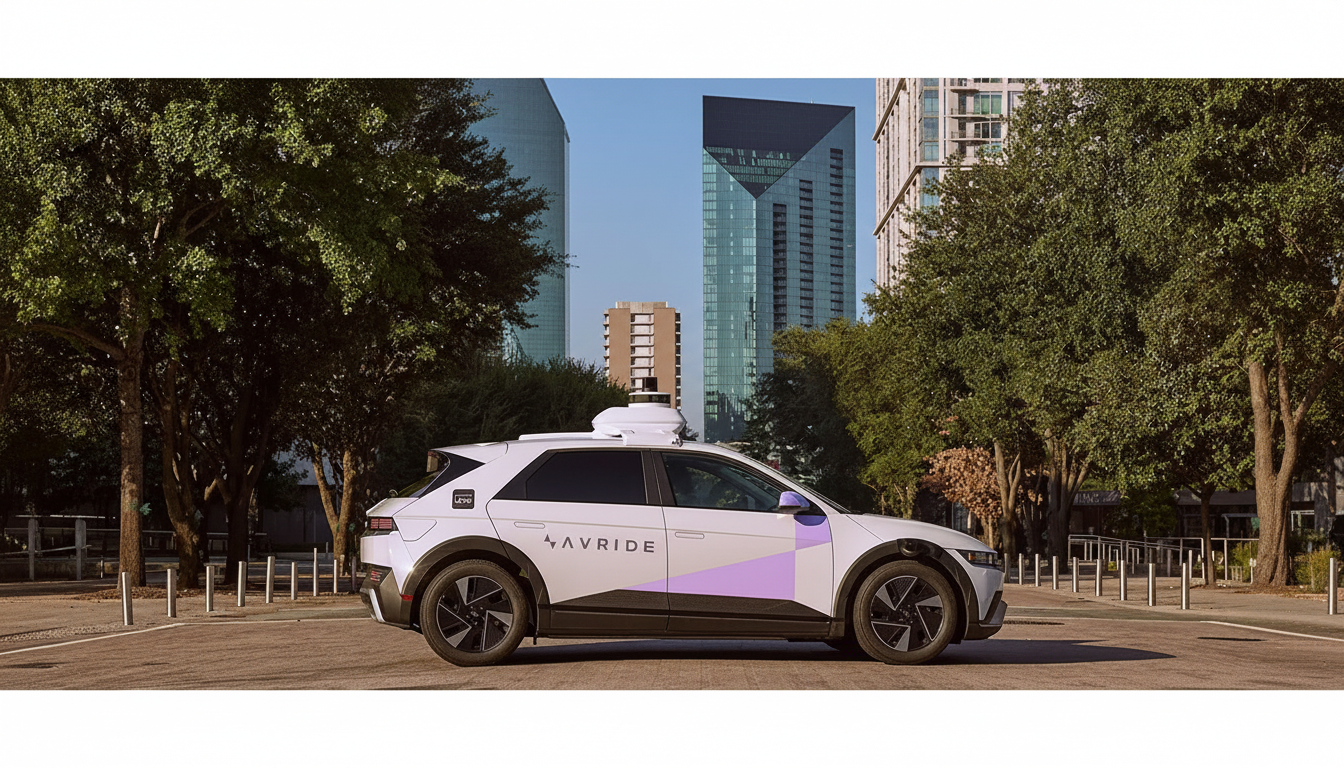
This step represents the arrival of commercial robotaxis in one of the fastest-growing metros in America, expanding Uber’s autonomous footprint as well and proving self-driving cars are going from pilot programs to everyday transportation.
How Uber’s Dallas Robotaxi Service Works for Riders
Service begins within a geofenced area of approximately nine square miles. If an AV is available, the app provides a free automatic match before pickup. If you’re feeling lucky, you can improve your chances by going to Settings in the app, opening Autonomous Vehicles, and turning on the option to get more autonomous rides.
It’s the app that guides the experience, from Unlock to Start Ride—after pressing it, you buckle up and go. If something feels off along the way, a rider can fire off an in-app support request to talk to a human helper.
Inside Avride’s Ioniq 5 Robotaxis Operating in Dallas
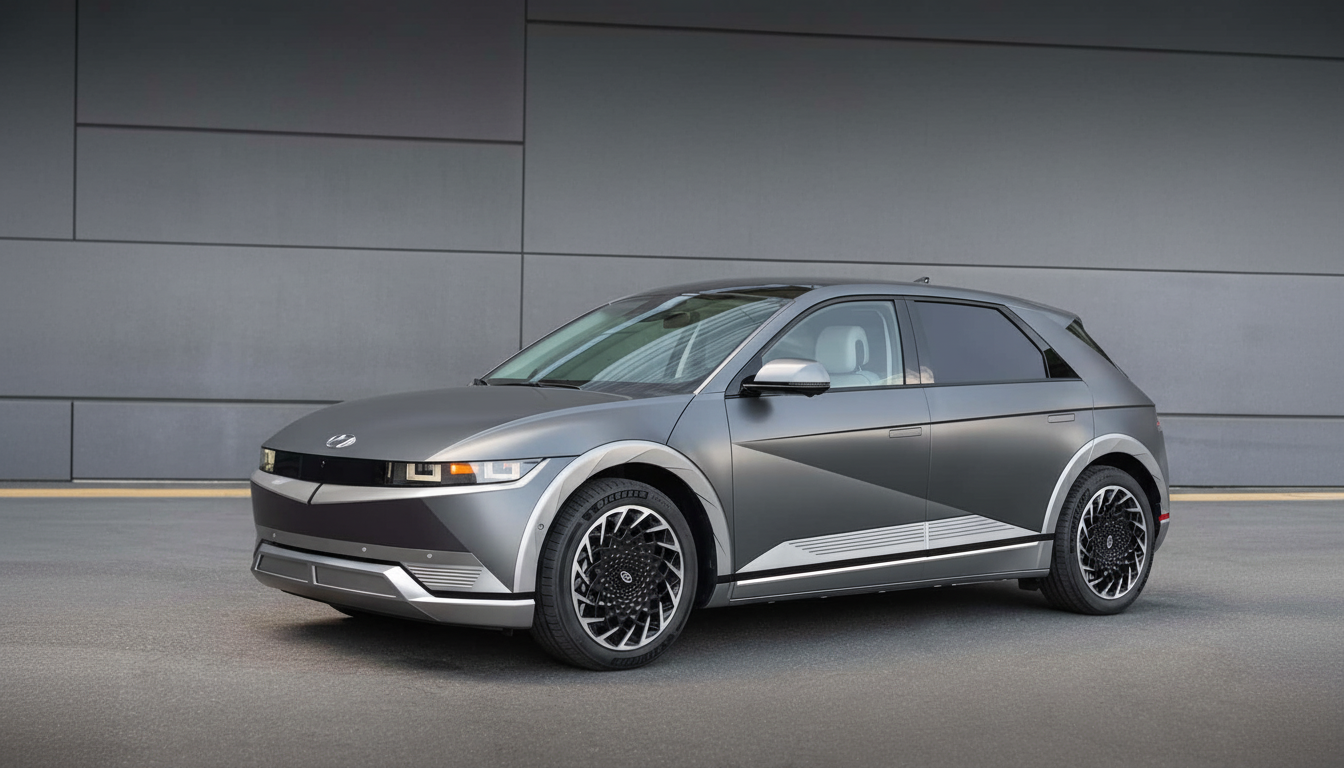
Avride’s fleet in Dallas consists of Hyundai’s Ioniq 5 electric crossover equipped with a multi-redundant sensor suite: 13 cameras, five lidars and four radars. The configuration offers multiple overlapping fields of view for perception and tracking, a popular safety approach within Level 4 robotaxis.
Two people can ride up front; three fit comfortably in the back, and there’s room for your luggage in the trunk. No driver in the front seat is required under normal operation, and remote assistance is possible to help vehicles negotiate complex situations or odd configurations of curb space.
Operations and Scaling Plans for Uber’s Dallas AVs
At launch, Avride is operating its fleet in Dallas. Uber says it will take over day-to-day operations such as cleaning, maintenance, inspections, charging and depot logistics over time—a critical piecemeal move to scaling out a depended-upon robotaxi supply.
In the next couple of years, Uber expects to have more than a hundred AVs in the Dallas fleet, extending coverage and improving the odds that passengers will be matched with an AV when demand peaks.
Why Dallas Is a Strong Test Case for AV Deployment
Texas is friendly to autonomous testing and deployment, after statewide legislation in 2017 allowed driverless operation with certain requirements. Dallas also has broad arterials, modern freeway interchanges and fairly predictable weather—all of which AV developers appreciate when they transfer from test tracks to actual city streets.
The scale of the Dallas–Fort Worth area is strategic. With millions of residents and intense airport and event traffic, the market offers use cases and trip density that make it easier for AVs to learn from real-world driving, which in turn helps them perform better and deliver real value to riders.
Safety Measures and Regulatory Oversight for Dallas AVs
Uber and Avride both emphasize a staged rollout: geofenced operation, predetermined operating conditions, and a cautious driving profile. The app lets riders control the doors and trip start, with the ability to get human assistance if necessary.
At the policy level, safety standards are influenced by federal guidance provided by the National Highway Traffic Safety Administration, state law and local coordination with first responders. Setbacks in the industry in recent years have led to more rigorous processes for reporting incidents and updating software that operators say lead to more conservative deployments.
Competition in Dallas and Uber’s Autonomous Vehicle Roadmap
Dallas is becoming a little AV battleground. Waymo will show up with an Avis-managed fleet and take reservations through its Waymo One app, though it will continue to have ride-hailing integrations elsewhere. Lyft also reportedly plans to launch commercial AV rides in the market.
For Uber, Dallas will be one of five cities with autonomous rides, along with Abu Dhabi, Atlanta, Austin and Riyadh. The company has plans to expand to additional markets through 2026 and to have AVs running in key metro areas such as Dubai, Los Angeles, Munich and the San Francisco Bay Area by 2027.
What Riders Should Expect from Uber’s Dallas Robotaxis
Trips cost the same as a comparable Uber category, and service coverage only extends to the zone of operation. Anticipate slow acceleration, sweeping turns and occasional detours as the vehicles look out for safety and lane positioning. Pickup and drop-off locations could move to safe and legal curbs as opposed to the entrance of buildings.
Availability is expected to improve as the number of vehicles and depots increases, software functionality matures, and the operating domain expands. For the time being, riders in Dallas can volunteer to step into a driverless car for no extra charge and provide feedback as Uber and Avride fine-tune the city’s first phase of daily robotaxi service.
