


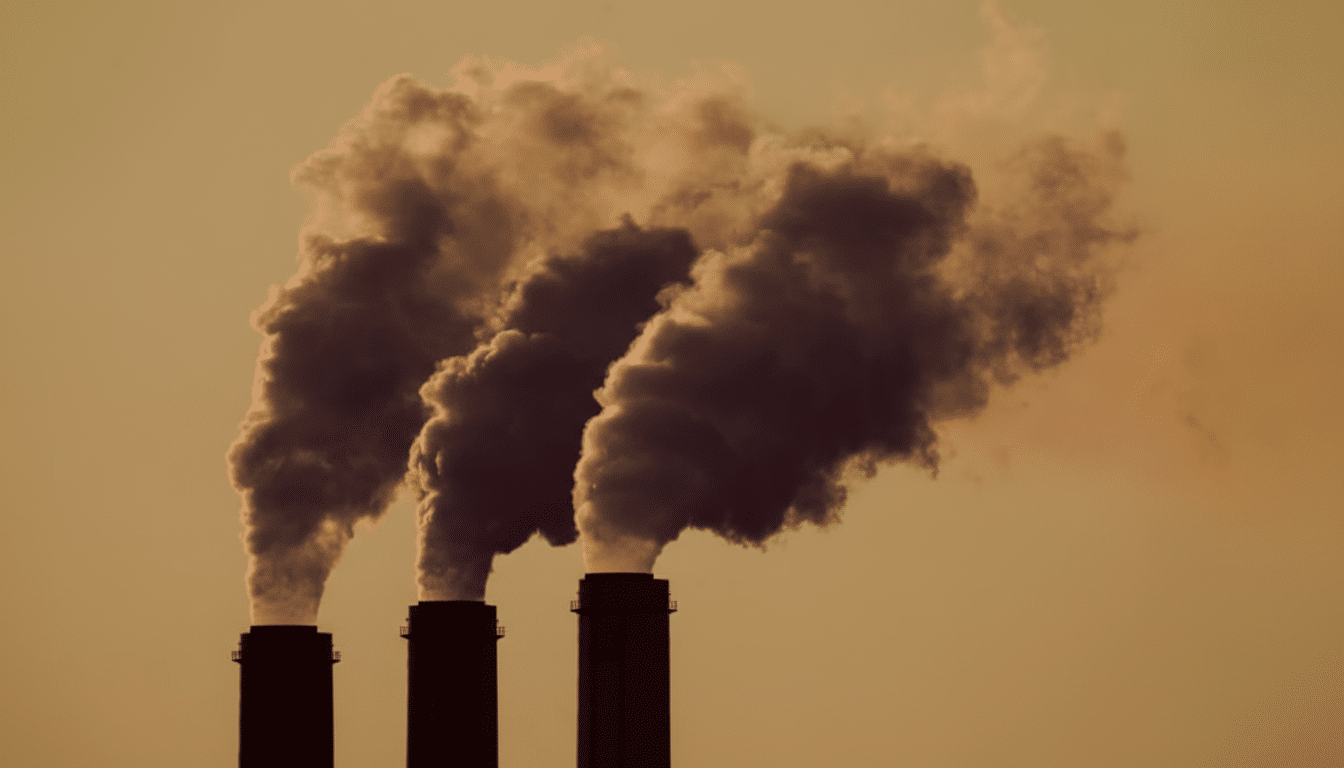
The Environmental Protection Agency is preparing a policy shift that would sideline the health benefits of cleaner air when regulating ozone and fine particulate pollution, according to reporting by the New York Times. The move would break with decades of bipartisan practice in federal cost-benefit analysis and could make it far harder to justify tighter limits on pollutants linked to heart and lung disease.
At issue is whether the EPA will continue to quantify avoided deaths and illnesses—using long-established economic tools like the “value of a statistical life”—in the regulatory impact analyses that accompany major air rules. Excluding those benefits would tilt the math, making pollution controls look more expensive than they are.
What The Proposal Would Change In EPA Air Rules
For decades, federal agencies have monetized health gains from cleaner air to compare regulatory costs and benefits. That includes fewer asthma attacks, hospitalizations, missed workdays, and premature deaths. The dollar figure for a life saved—used across agencies, not just the EPA—hovers around the eight-figure mark, which means even modest reductions in pollution can yield large, quantifiable benefits.
The reported plan would discard or sharply discount those health metrics when evaluating rules for ozone and fine particulate matter (PM2.5). It echoes an earlier effort during the previous Trump term to downplay “co-benefits” in power plant rules, but goes further by targeting the core health benefits of controlling the pollutants themselves.
Legally, the Clean Air Act requires national air-quality standards to be based on public health with an “adequate margin of safety.” The Supreme Court has said cost cannot drive those limits. But agencies still publish economic analyses alongside major rules. If those omit the very benefits the Act aims to protect, expect a flurry of legal challenges arguing the approach is arbitrary and out of step with federal guidance.
Public Health Stakes And Evidence On Ozone And PM2.5
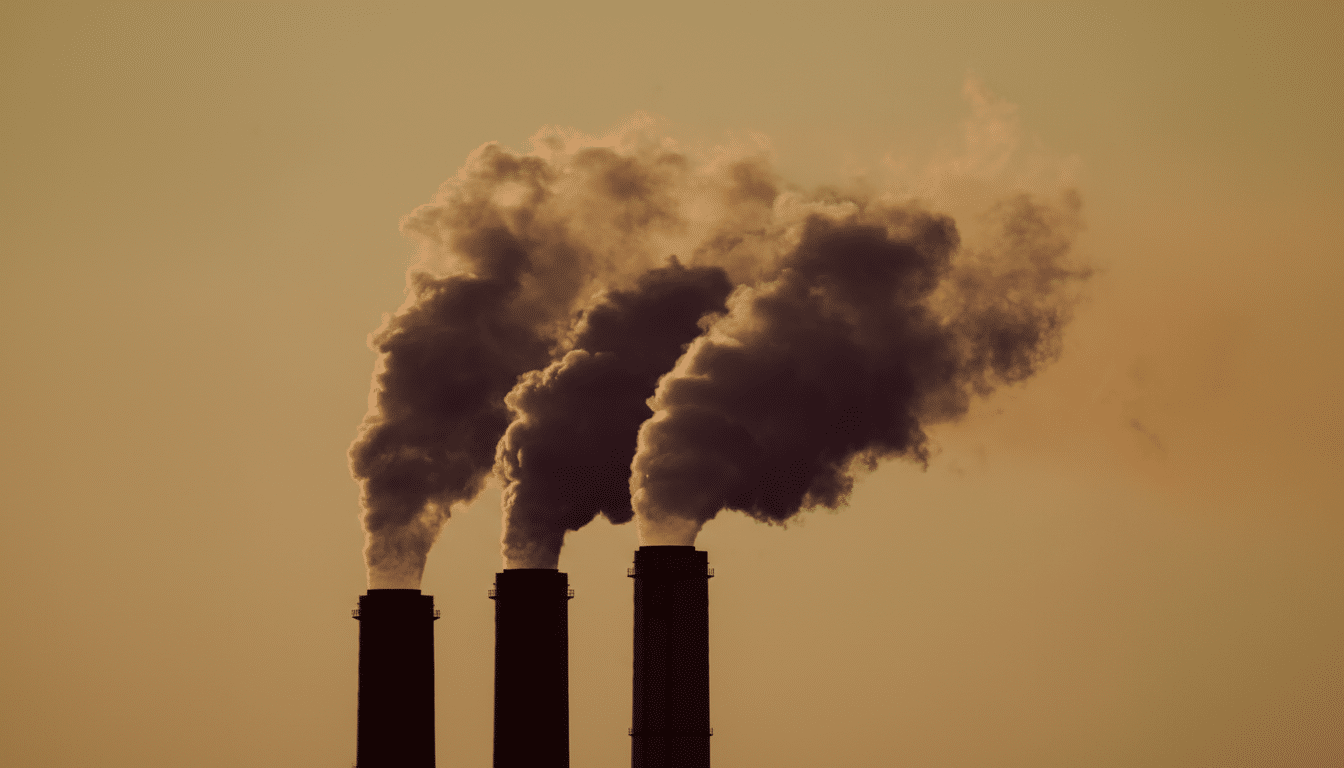
Ozone and PM2.5 are among the most studied pollutants in environmental health. Ozone at ground level, formed from nitrogen oxides and volatile organic compounds emitted by vehicles, industry, and power plants, aggravates asthma and can trigger emergency room visits on high-smog days. PM2.5—microscopic particles that penetrate deep into the lungs and bloodstream—has been linked to heart attacks, strokes, chronic obstructive pulmonary disease, and a growing list of neurological and metabolic disorders.
Analyses by the Health Effects Institute and research from the Harvard T.H. Chan School of Public Health estimate millions of premature deaths globally each year from fine particle pollution, with tens of thousands annually in the United States. The American Lung Association routinely finds that tens of millions of Americans live in counties that fail ozone or particle standards, and the risks are not evenly shared: children, older adults, and communities near highways and industrial corridors bear a disproportionate burden.
Even small improvements in PM2.5 have been shown to extend life expectancy. That’s why the health line item in EPA’s analyses typically dwarfs compliance costs; it reflects decades of epidemiology tying incremental reductions to real-world outcomes—fewer funerals, fewer ICU admissions, fewer inhalers in school backpacks.
Legal And Economic Context For Clean Air Act Rules
Cost-benefit analysis is meant to inform, not override, the Clean Air Act’s health mandate. Recent updates to federal economic guidance by the Office of Management and Budget emphasize rigorous accounting of health benefits and distributional impacts. A policy that zeros out well-documented benefits would set up a clash between EPA practice and broader federal standards for regulatory analysis.
Courts have been skeptical when agencies manipulate the ledger. Attempts to narrow or ignore co-benefits in air rules have drawn sharp critiques from independent experts and, in several cases, were rolled back or reworked under subsequent administrations. Health groups and state attorneys general are likely to argue that discarding health evidence violates the Administrative Procedure Act’s requirement for reasoned decision-making.
Industry Push And Environmental Justice Concerns
Business groups including the U.S. Chamber of Commerce have applauded efforts to “rebalance” regulation. They argue that overcounting benefits and undercounting costs has saddled industry with red tape. The reporting has prompted praise from energy-sector advocates who prefer a narrower view of benefits in air rules.
Public health and environmental justice organizations see the opposite. They point to hot spots where new demand for power is colliding with aging grids, risking more fossil generation in already overburdened neighborhoods. In the Memphis region, for instance, a high-profile AI data center project leaned on scores of unpermitted gas turbines, adding to local nitrogen oxide and particle emissions in an area flagged by the Asthma and Allergy Foundation of America as an “asthma capital.” Policies that ignore health effects would make it easier to greenlight similar projects without fully weighing community impacts.
What To Watch As The EPA Advances The New Proposal
The EPA is expected to release a proposal, followed by a public comment period and inevitable litigation. Key tests will include how the agency treats established epidemiological evidence, whether it acknowledges distributional harms, and how it reconciles the policy with Clean Air Act requirements and federal economic guidance.
For regulators and courts, the question is straightforward: Do air rules account for the lives they save? For families living downwind of traffic corridors, refineries, power plants, and diesel hubs—and for companies planning facilities in those corridors—the answer will determine how the next generation breathes.
