


A cryptic leak from a well-known Chinese tipster is stirring debate over a so-called “multi-spectral” stylus reportedly tied to upcoming foldables from Honor and Oppo. The phrase is not a standard term in pen computing, prompting a flurry of interpretations—some plausible, others far-fetched. Here’s what that label could realistically mean, and why it may be less revolutionary than it sounds.
Where the ‘multi-spectral stylus’ foldable rumor began
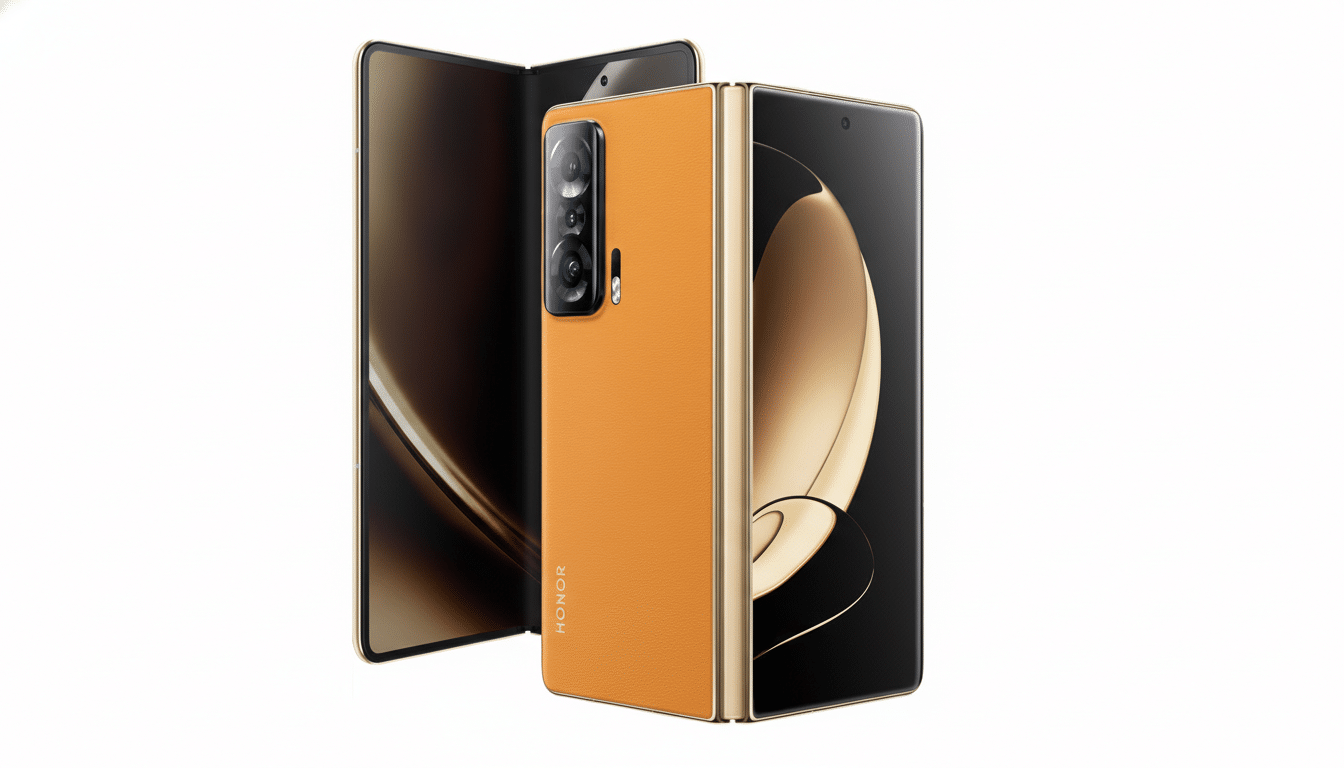
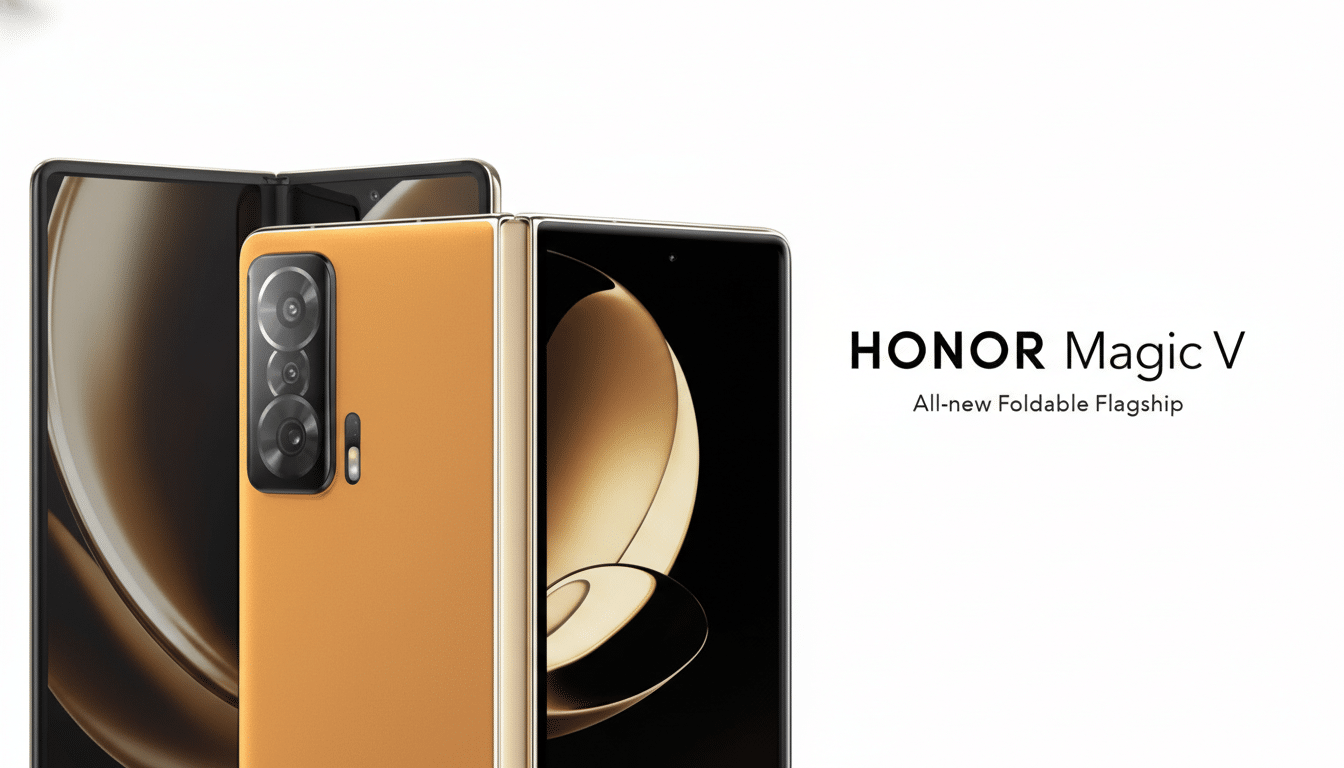
The chatter originates from a Weibo post by Smart Pikachu, a frequent source for foldable phone leaks, mentioning plans around devices believed to be the Honor Magic V series and Oppo’s Find N line. The post used wording that machine translation rendered as “multi-spectral stylus,” a term that isn’t used by established stylus makers such as Wacom or in industry specs like USI 2.0. Outlets tracking the rumor cycle have floated ideas ranging from advanced pressure sensors to latency breakthroughs, but that doesn’t square with the specific language.
What ‘multi-spectral’ could actually mean for pens
In tech, spectrum typically refers to electromagnetic frequencies—either radio bands used for wireless connectivity or the wavelengths of light used for optical systems. That narrows the likely explanations to three possibilities.
First, multi-band wireless. Modern active styli often combine two systems: a digitizer protocol for inking and a short-range radio for extra features. Samsung’s S Pen, for example, pairs Wacom EMR for writing with Bluetooth Low Energy for air actions. “Multi-spectral” could be shorthand for a pen that supports more than one RF layer—think BLE for commands plus NFC for pairing or charging (as outlined in USI 2.0) and possibly UWB for precise localization, a capability championed by the FiRa Consortium. That would be new branding more than new science.
Second, cross-technology digitizer support. The market is fragmented across Wacom EMR, AES, Microsoft Pen Protocol, and USI. A stylus capable of switching among multiple inking “spectra” (read: protocols) would work across more devices, including foldables with different panels. Vendors have attempted universal pens before, but broad interoperability remains rare. If a single pen handled two or three mainstream stacks, that would be practical—even if the “multi-spectral” tag is a translation quirk for “multi-mode.”
Third, optical tricks. “Spectral” could refer to light, not radio. Some digital pens use infrared to track motion (Moleskine’s smart pen reads a dot pattern with an IR camera), while research prototypes have integrated color sensors to sample real-world hues. A stylus with a tiny multispectral sensor could detect paper type, ambient lighting, or capture color swatches for creative apps. It’s feasible—miniature spectrometers exist—but power, size, and cost make this a long shot for a mass-market phone accessory.
Why this probably is not a leap forward for styli
Recent stylus innovation has been largely incremental: lower latency, better palm rejection, and richer haptics. Apple cites a perceived latency as low as ~9ms with high-refresh iPad Pro displays; Samsung advertises 2.8ms on recent Galaxy S Ultra models thanks to prediction algorithms; Microsoft’s Slim Pen 2 adds haptic feedback tuned for 120Hz panels. Pressure levels have plateaued around 4,096 steps for mainstream devices. None of these improvements would naturally be labeled “multi-spectral.”
By contrast, multi-band radios or multi-protocol support would fit the term’s spirit and the foldable context. A pen that pairs instantly via NFC, controls camera features over BLE, and is findable with UWB would read as “multi-spectral” to a nontechnical translator. Likewise, a pen that writes on both an in-fold and out-fold display across different digitizer stacks could be marketed as spanning multiple “spectrums.” Useful? Yes. Transformational? Not really.
What is at stake for foldables and stylus support
Pen support is becoming table stakes for premium large-screen phones and tablets. Market groups such as the Universal Stylus Initiative report growing adoption across Chromebooks from Acer, HP, and Lenovo, and phone makers are chasing similar workflows on foldables. A pen that reduces friction—easier pairing, wider compatibility, better precision on crease-adjacent areas—could help differentiate models like a next Magic V or Find N, even if the underlying tech is evolutionary.
Bottom line: temper expectations on stylus rumors
“Multi-spectral stylus” is almost certainly a translation artifact pointing to multi-band connectivity or multi-protocol compatibility rather than a radical new sensor array. Until manufacturers detail silicon, panel drivers, and protocol support, temper expectations. If the leak pans out, expect smarter pairing, broader device support, or enhanced findability—not a reinvention of the pen.
