


One of Wear OS’s most enduring brands seems to be disappearing from the shelves. Several TicWatch models have gone silently missing from large retailers and the brand’s own web store, while the company is claiming only essential support will be maintained for existing devices. The signals suggest that a major pullback is in the cards from one of the few brands to have helped keep Google’s smartwatch platform, Wear OS, afloat.
TicWatch Vanishes from Major Retailers Amid Quiet Pullback
It came to the attention of shoppers scouring holiday deals first: On Amazon, popular TicWatch models were suddenly unavailable, while their product pages on Mobvoi’s website either disappeared from listings or ended in “unavailable” notices at checkout.
- TicWatch Vanishes from Major Retailers Amid Quiet Pullback
- A Pillar of Wear OS Is Starting to Crack
- Software Stumbles Eroded Momentum and Frustrated Owners
- A Thinner Wear OS Roster Raises Concerns on Choice
- The Hardware Was Solid, but Software Follow-Through Lagged
- What Owners Should Do Now to Prepare for Uncertain Support
- The Bottom Line: Signals Point to a Major TicWatch Retreat
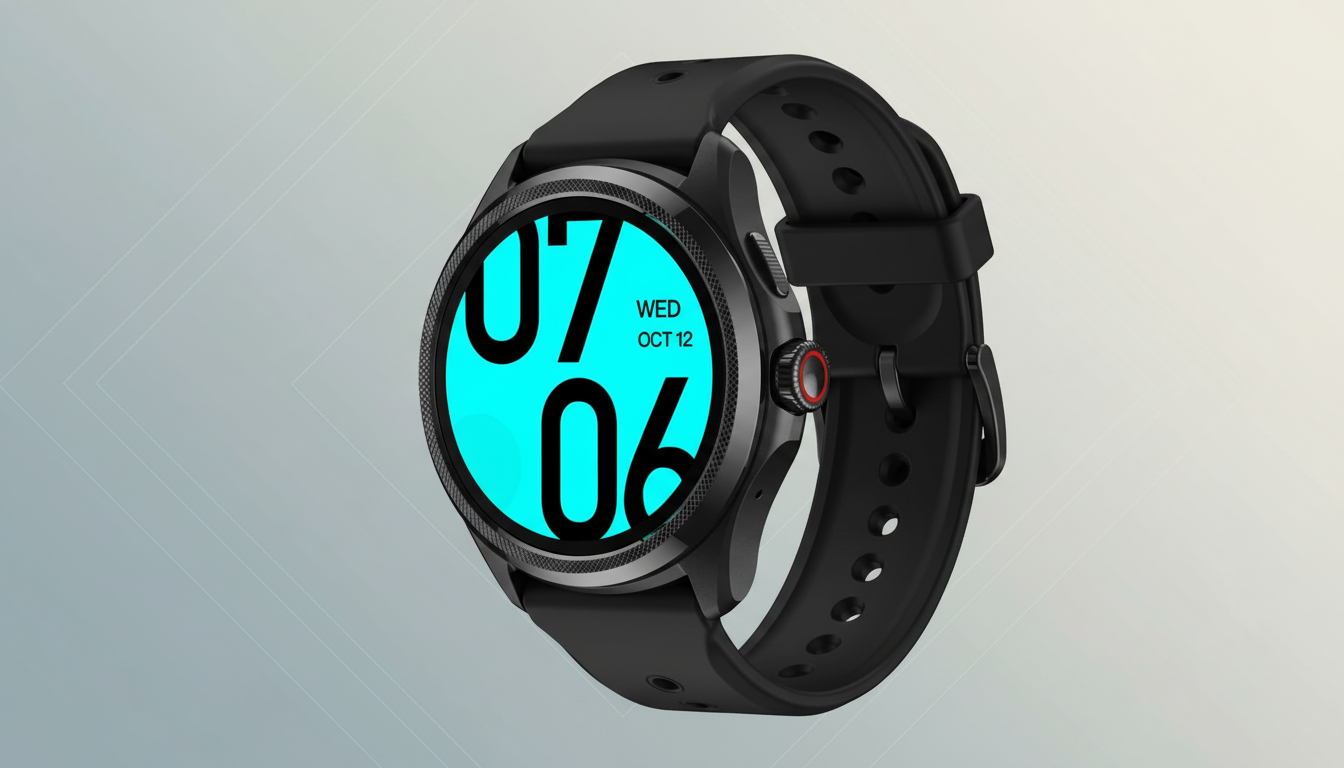
A 9to5Google story confirmed that listings were disappearing in regions around the world, with little to no purchase options remaining.
Pressed for clarification, the company had little to add beyond saying that there was “nothing new” to announce and that existing watches would receive essential assistance. That’s the sort of language that companies use when they’re winding down products, and it seems to mean that “critical” maintenance will continue for a while but no new features, new launches, or widespread distribution are in store.
A Pillar of Wear OS Is Starting to Crack
It’s an interesting trajectory for a brand that was outsized during Wear OS’s years in the desert. TicWatch found its slot with clever hardware, most notably a dual-layer display that sandwiched a power-sipping FSTN screen on top of an OLED. That form allowed for a true multi-day battery in a sector largely plagued by daily charging.
Recent flagships such as the TicWatch Pro 5 and the Pro 5 Enduro were based on Qualcomm’s Snapdragon W5+ platform, and reviewers praised their battery life and rugged, fitness-forward designs. The innovation wasn’t fooling anyone; it was the focus on battery life and design that made these watches favorites among users who wanted Wear OS but didn’t want the stress of nightly charges.
Software Stumbles Eroded Momentum and Frustrated Owners
This is where the brand lagged in its software cadence. Owners of older models had to wait much longer than their rivals for pivotal Wear OS updates, with community forums and social channels documenting months lagging the competition. Though Google and Samsung quickly transitioned users to Wear OS 3 and beyond, a portion of the TicWatch user base was stranded, left on older builds that received newer fitness features later (or not at all).
“Essential support” usually does not stretch beyond warranty service, limited security patches, and app compatibility fixes—not ambitious new features or OS upgrades. For existing owners, that probably means ongoing basic functionality—notifications, fitness tracking, and payments—but not much in terms of continued long-term investment in the platform.
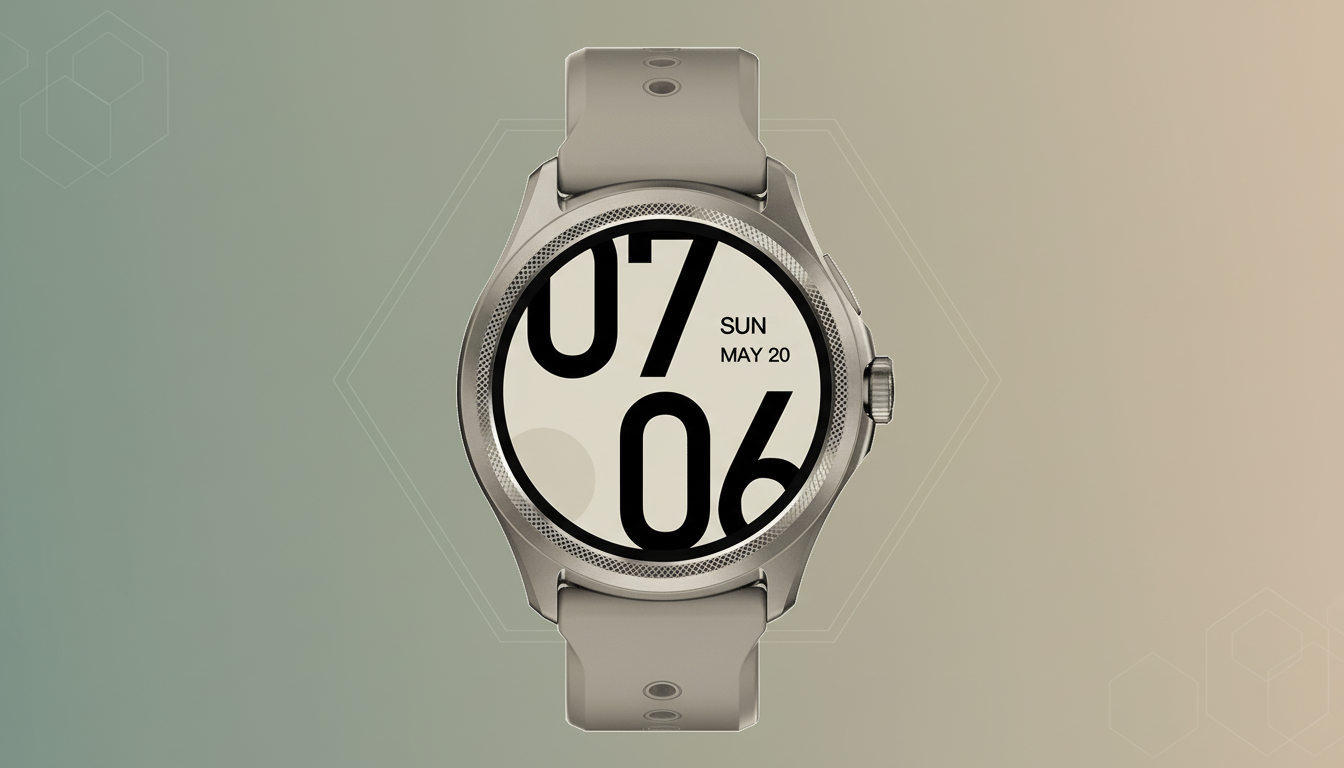
A Thinner Wear OS Roster Raises Concerns on Choice
Assuming the lineup is indeed winding down—and at the time of writing, no official announcement has been made just yet!—that represents another setback for Wear OS hardware. Earlier this year, Fossil made the surprising move of leaving the smartwatch business after serving as an important partner for years. That leaves Google’s Pixel Watch series and Samsung’s Galaxy Watch line as the platform shock absorbers, with promising submissions from brands like OnePlus and Xiaomi that are tentatively covering some holes.
Market trackers like Counterpoint Research and IDC have consistently reported that Apple takes the top spot in global smartwatch shipments, with Samsung trailing in second. Wear OS share has shifted dramatically toward Samsung in recent cycles, while Google’s own devices have had growth on a small base. Fewer third-party players could allow for the pooling of resources—and speeding up updates—but it also threatens to reduce consumer choice and put pressure on pricing.
The Hardware Was Solid, but Software Follow-Through Lagged
What remains of TicWatch’s special sauce in 2025: the dual-layer display is still a good balance for battery life, while its ruggedized builds such as the Enduro showed what Wear OS could be capable of when it came to endurance athletes and training without dropping any smarts along the way. The company’s withdrawal is a recurring lesson in wearables—cool hardware can be done in by sluggish software follow-through and murky roadmaps.
What Owners Should Do Now to Prepare for Uncertain Support
Owners should install any available updates, synchronize and back up health data, and check to see how much warranty coverage remains. Replacement bands and chargers might still be available through third-party sellers, but you may find it more difficult to track down official accessories. If you’re interested in major OS updates, consider how long your current watch will stick with you before considering a move to brands with more predictable rollouts.
The Bottom Line: Signals Point to a Major TicWatch Retreat
Product pages darkening, corporate guidance minimal, and a promise to provide only essential support are not the kinds of things that tend to occur because of mere coincidences.
Unless a surprise reboot is waiting in the wings, all indications suggest Wear OS will soon have to make do with memories of an era when Fossil’s brand kept it relevant. The challenge for the platform is now to keep its momentum with fewer heavyweights—and for Google and its partners to show that the best days of Wear OS are still to come.
