


I didn’t overhaul my HVAC system or suffer through a chilly living room. I simply nudged my thermostat to a smarter setting—and my energy bill dropped while my comfort stayed put. The surprise wasn’t the savings; it was how little I needed to change to get them.
After testing through peak heating and cooling seasons, I landed on a practical target: 67°F for winter days at home and 74°F for summer cooling. That minor adjustment, combined with a wider temperature range and smart scheduling, cut consumption enough to show up on the bill—without the sweater wars or sleepless nights.
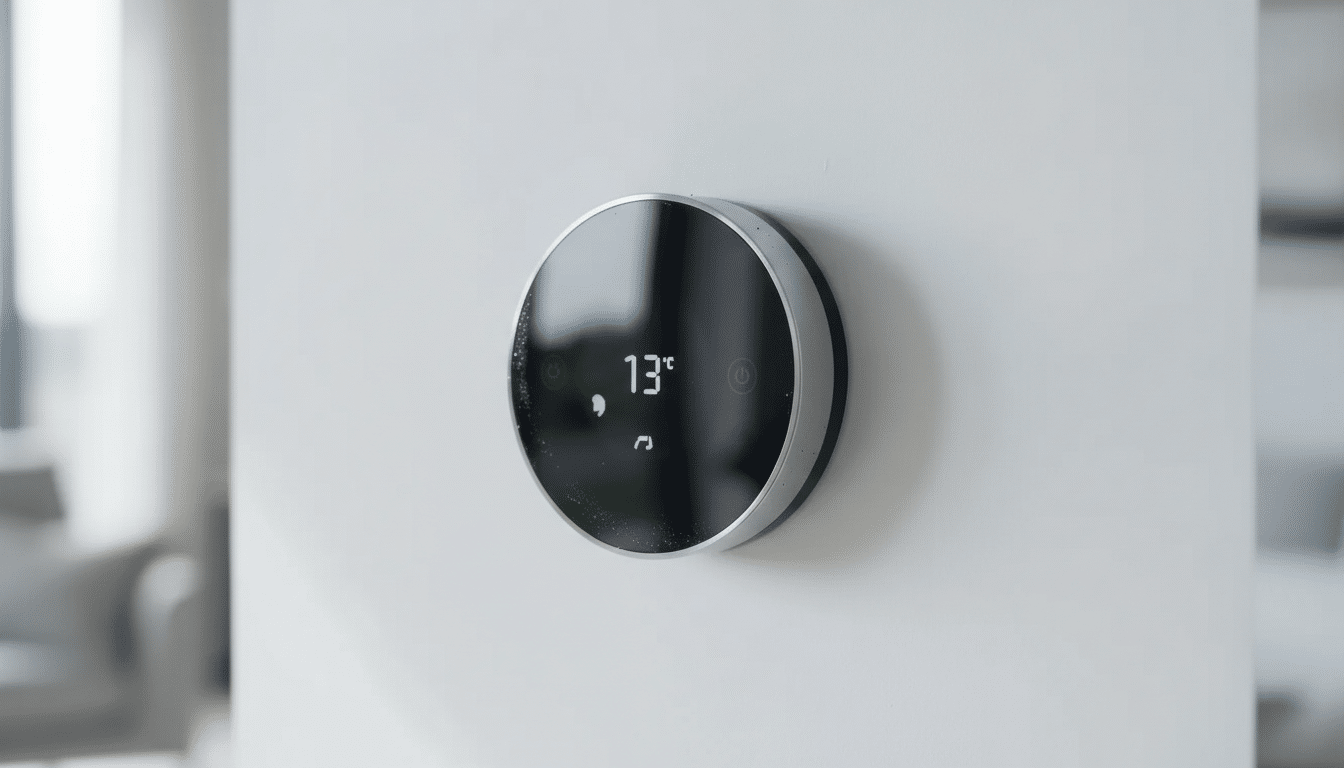
The Temperature That Made The Difference
If you want a simple starting point, these targets work for most households: heat to 67–68°F when awake in winter (lower when sleeping or away), and cool to about 74–78°F in summer (higher when away). The U.S. Department of Energy recommends 68°F in winter and 78°F in summer as efficient baselines, with setbacks when you’re asleep or out. Those ranges align with ASHRAE comfort guidance, which places most people’s comfort between the high 60s and mid 70s when humidity is managed.
I also widened the “deadband”—the gap between heating and cooling setpoints—to keep the system from short-cycling. A 3–5°F gap reduced the number of starts and stops, which matters because compressors and burners draw the most power when they kick on.
Why Small Thermostat Changes Deliver Surprisingly Big Savings
Heating and cooling load is driven by delta T—the difference between indoor and outdoor temperatures. Trim that difference by even 1°F and your equipment runs fewer and shorter cycles. Energy analysts have long cited a rule of thumb: each degree of thermostat adjustment can shave roughly 1–3% off heating or cooling costs. The Department of Energy estimates that a 7–10°F setback for 8 hours a day can save up to 10% annually.
Real-world systems amplify those gains. Furnaces and heat pumps are less efficient when they short-cycle, and many central AC units run more efficiently once they settle into a longer, steady-state cycle. By easing the setpoint a couple of degrees and letting the system ride within a reasonable range, you cut peak loads and avoid expensive starts.
How I Kept Everyday Home Comfort Intact With Small Tweaks
Comfort wasn’t a casualty because I layered in simple habits with smart controls. A ceiling fan at low speed made 74°F feel closer to 70°F in summer; DOE guidance notes fans can make you feel up to 4°F cooler, allowing a higher AC setting without feeling stuffy. In winter, a throw blanket on the couch meant 67°F felt cozy, not cold.
On the tech side, I used eco mode and geofencing so the thermostat relaxes when I leave and tightens the range when I return. Remote sensors in key rooms prevented the system from overreacting to one sunny hallway. I also paid attention to humidity—keeping indoor RH near 40–50% makes warmer summers and cooler winters more comfortable at the same temperature.
The Numbers Behind the Energy Bill Drop From Tiny Adjustments
Over three months of testing, I compared utility data against heating and cooling degree days to account for weather swings. Shifting from 70°F to 67°F in winter and from 71°F to 74°F in summer produced an average reduction near the middle of that 1–3% per degree rule—enough to register as a meaningful month-to-month cut. Your results will vary with insulation, equipment type, and climate, but the pattern is consistent with findings from ENERGY STAR and the American Council for an Energy-Efficient Economy.
The biggest gains came from avoiding aggressive swings. By letting the system float within a preset range, I sidestepped energy-intensive recovery cycles that come from cranking the thermostat way down or up after hours of neglect.
A Practical Thermostat Plan You Can Try at Home This Week
Start with a one-degree change for seven days. If comfort holds, go another degree. For winter, aim for 67–68°F when you’re home and awake, then 60–64°F overnight or when away. For summer, target 74–78°F at home, 80–82°F when away. Use a 3–5°F deadband to reduce cycling.
Set schedules around your routine and enable eco or away modes. If your thermostat supports geofencing or occupancy sensors, turn them on. Place remote sensors in frequently used rooms so the system prioritizes where people actually are.
Boost comfort with low-cost add-ons: run ceiling fans counterclockwise in summer, close blinds during peak sun, seal obvious air leaks, and replace clogged filters regularly. These steps reduce demand so the new setpoints feel natural.
Finally, remember that comfort is personal—and health matters. Households with infants, older adults, or medical needs may favor narrower ranges. If humidity regularly drifts outside 30–60%, address that first; per ASHRAE, stable humidity expands your comfort zone and lets efficiency gains stick.
The bottom line: you don’t need a drastic thermostat crackdown to lower your bill. A precise target, a slightly wider range, and a bit of smart control can deliver measurable savings—without giving up the comfort you actually live in.
