


At long last, Marian Keyes’ beloved Walsh family storms the screen, and the result is as sharp, compassionate, and gloriously messy as readers hoped. The Walsh Sisters is a confident, six-part BBC drama that honors the novels’ spirit while crafting a propulsive, singular TV experience—one that finds humor in catastrophe and grace in the ordinary.
A Faithful Adaptation With Its Own Voice
Showrunner Stefanie Preissner, drawing on the emotional clarity that powered Can’t Cope Won’t Cope, smartly builds a linear story from a seven-book cycle. The spine is Rachel’s Holiday and Anybody Out There, with threads from Watermelon, Angels, and The Mystery of Mercy Close stitched in without feeling crowded. It’s an adaptation that knows when to quote the books in spirit and when to tell a scene the way television demands.
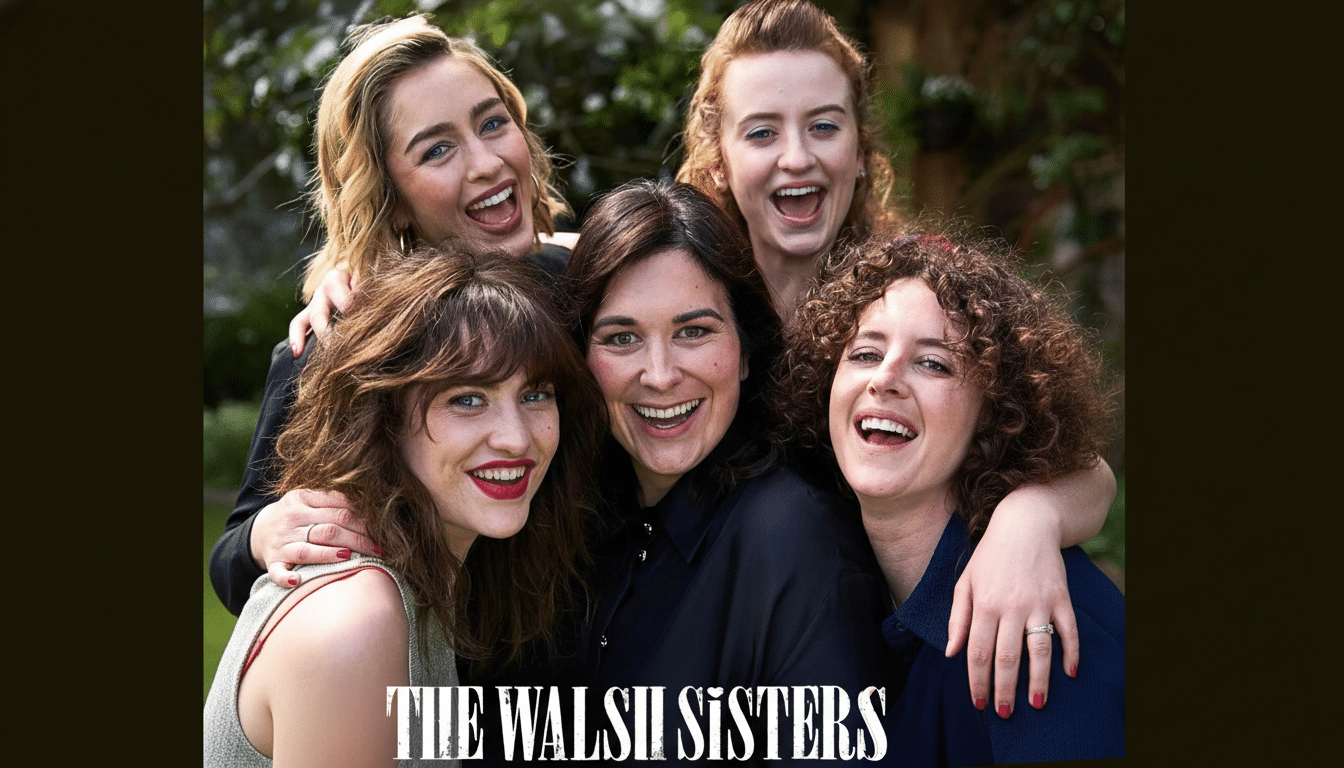
Director Ian Fitzgibbon keeps the tone nimble—switching from a barbed family row to a breath-caught moment of honesty without sentimental shortcuts. Set in Dublin, the series treats small choices like tectonic events, mirroring Keyes’ gift for revealing the epic scale of everyday life.
Performances That Anchor the Walsh Family Chaos
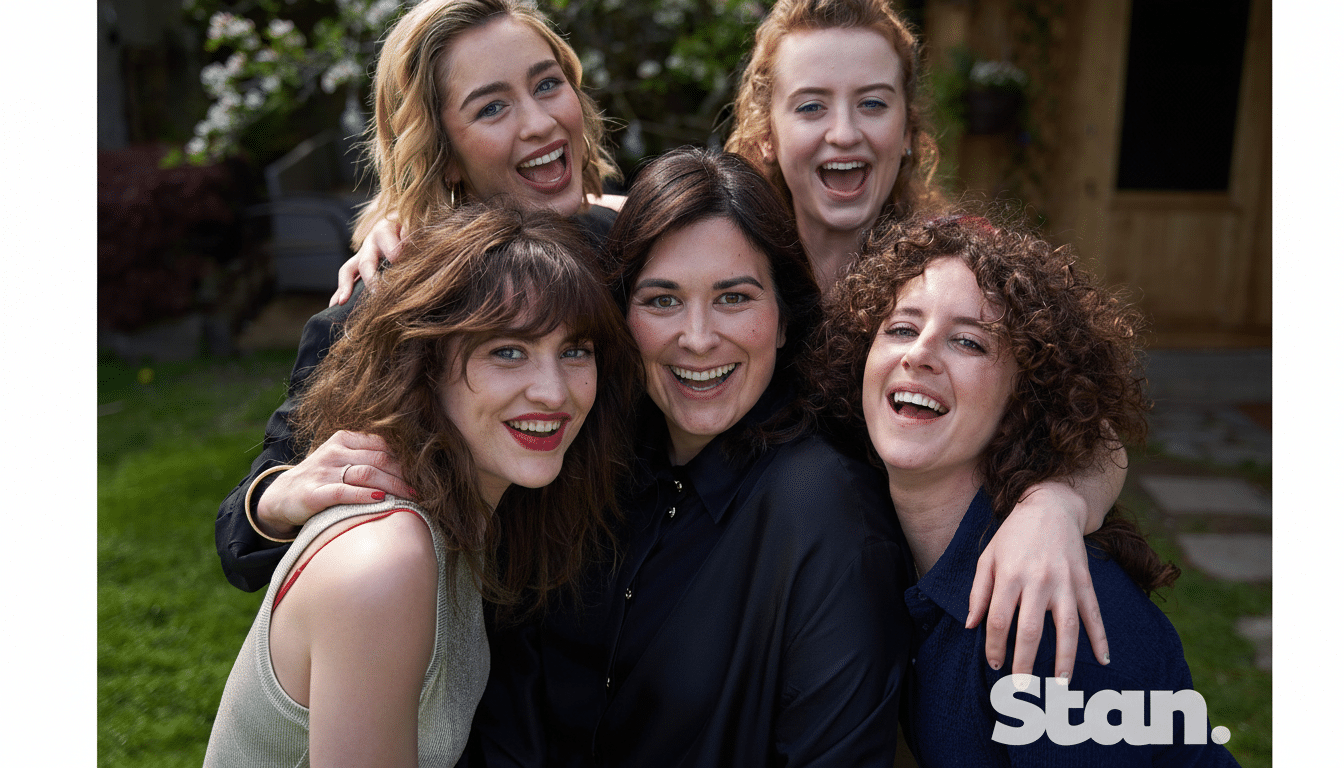
Louisa Harland (Anna), Caroline Menton (Rachel), Danielle Galligan (Claire), Máiréad Tyers (Helen), and Stefanie Preissner (Maggie) achieve that rare ensemble chemistry where eye-rolls, shared jokes, and half-finished sentences tell entire histories. Carrie Crowley’s Mammy commandeers attention with masterful timing, while Debi Mazar’s scene-stealing turn as Jacqui supplies the unvarnished truths others avoid.
Menton shoulders the show’s most treacherous arc: Rachel’s addiction and prickly recovery. There’s no soft-focus redemption here—just the hard labor of sobriety, denial giving way to candor, and a reckoning with the version of oneself memory prefers. The approach lands with added resonance in a country confronting record alcohol-specific deaths; the UK Office for National Statistics has reported the figure hitting all-time highs in recent years, underscoring the relevance of Rachel’s journey.
Harland, meanwhile, makes Anna’s grief startlingly familiar—the awkward rituals, the bargains with fate, the suspicion that there is a “correct” way to mourn. Tyers calibrates Helen’s deadpan bravado to reveal fractures beneath, while Galligan’s Claire undercuts maternal self-doubt with withering wit. Preissner’s Maggie, forever labeled “uncomplicated,” quietly unspools the costs of being everyone’s ballast.
Why This Story Lands Now for BBC Audiences
Keyes’ novels—over 35 million copies sold worldwide and translated into dozens of languages—have long blurred the line between commercial fiction and literary candor. Bringing that tonal balance to TV could have gone twee or bleak. Instead, The Walsh Sisters lives in the jittery space where trauma coexists with gallows humor and family becomes both shield and shrapnel.
The timing is also strategic. BBC iPlayer has built a vast audience for authored relationship dramas; Normal People drew more than 60 million requests in its launch year, according to BBC figures. The Walsh Sisters taps that appetite while offering a distinctly Dublin rhythm—less glossy aspiration, more lived-in truth—adding to the broader wave of Irish storytelling that’s punched above its weight in recent years.
Structure, Craft, and Texture in Six Episodes
The six-episode run imposes discipline. Plotlines that could sprawl are funneled into clean beats: a relapse denied, a joke weaponized, a fertility milestone quietly missed. The writing trusts viewers to catch callbacks and running gags—those small family myths that make a home and occasionally break a heart.
Visually, the show favors intimacy over flourish. Kitchens and hospital corridors do the heavy lifting; Dublin’s streets are observed rather than romanticized. That restraint pays off—when the camera does pull back, the perspective feels earned. Editing keeps collisions crisp, letting arguments build, sides flip, and loyalties reset within a scene without telegraphing the moves.
The Verdict: A Sharp, Compassionate Adaptation
This is the adaptation longtime readers willed into existence: deeply Irish yet universally legible, emotionally candid without cruelty, and funny in precisely the way families are funny when the stakes are highest. It doesn’t attempt to swallow Keyes’ entire canon; it breathes with it. And that restraint is why it lands.
The Walsh Sisters is streaming on BBC iPlayer in the UK, with international rollout to follow. If future seasons arrive—and the material begs for it—the bar has been set with elegance and bite.
