


The year’s best reminders share a throughline: assured design and decisive identities that buzz past backlogs virtually unimpeded. On the heels of new hardware momentum and a rash of audacious sequels, 2025 showed how big swings — in structure, tone, or technology — still win hearts and hours.
Why This Year Was Different for Players and Studios
Less traditional platform exclusives from the dominant powerbrokers allowed for some quirky voices to flourish. In the meantime, new hardware energy around Nintendo’s newest console reset attitudes toward on-the-go playing and performance expectations, whilst PC continued to be where rapid iteration met mod-fueled longevity.
Our selections shine with mechanical depth, memorable worlds, and a lasting effect — the games that are still talked about long after the credits roll. Selection was based on hands-on testing across platforms as well as cross-referencing critical consensus from other trusted outlets and monitoring zeitgeist-seeping modosphere where players log thousands of hours.
Don’t Miss These Top Picks from 2025’s Standouts
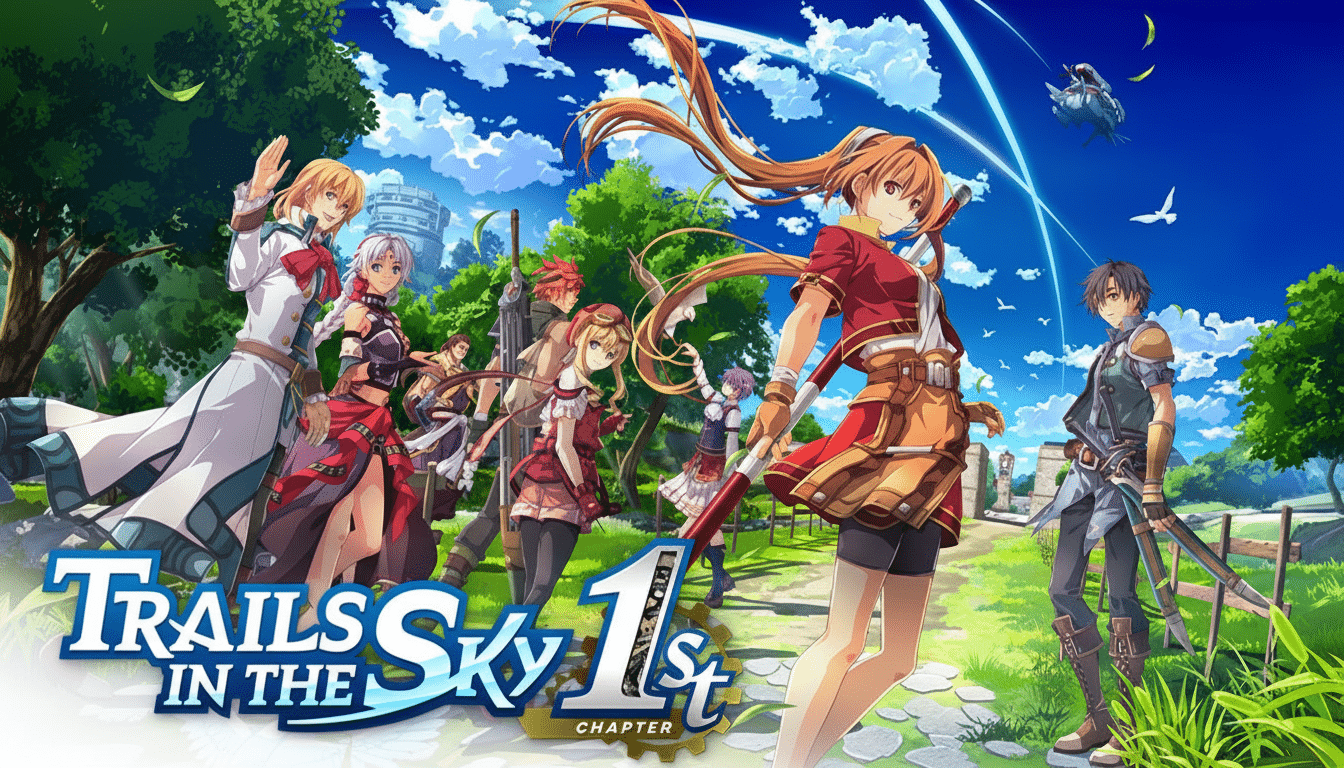
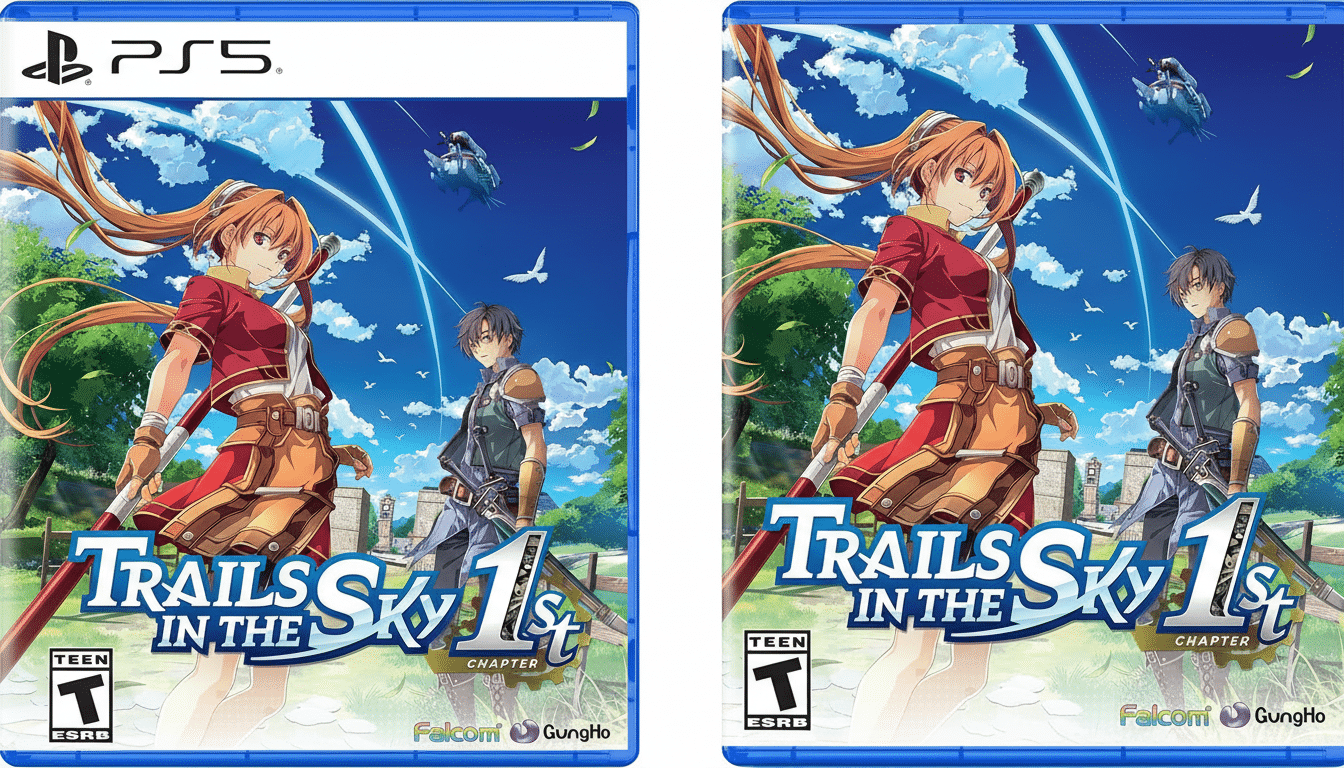
Trails in the Sky 1st Chapter Remake is a model for how to do-over that actually respects history and flow, weirdly. A hybrid battle system combines a thoughtful, turn-based tactical play alongside a snappy positioning mechanic, and the refresh lends warmth and texture to a story that plants the seeds of an epic without sacrificing its intimate, low-stakes charm.
Death Stranding 2 is double or nothing on beautiful weirdness and hard-fought connection. The sequel tightens combat, modernizes traversal, and lets its surreal flourishes land with confidence, transforming a formula that was once divisive into a hypnotic loop about infrastructure, isolation, and the delicate joy of having plans actually work.
Mario Kart World is all about controlled chaos. Its Knockout Tour mode is a standout — swift, legible, immediately social — while an open-zone structure fosters exploration without puffing up the core racing. There’s a thumping soundtrack of brassy coughing and explosive belching that deftly stitches together eras of Mario music into a compelling, fast-paced victory lap.
Despelote is a 90-minute gut punch that lingers. It’s the early 2000s in Ecuador during the nation’s World Cup dream, and it describes how childhood shrinks and expands the world. The misty first-person perspective makes alleys, chants, and passing chatter feel like living memory as opposed to practical set dressing.
Donkey Kong Bananza allows you to punch through levels, and it’s awesome. As a comeback 3D platformer, it marries elastic movement and gleefully destructible spaces; its buddy dynamic with Pauline is wit and melody. Not many games are so tactile and funny in making their commitment to improvisation plain.
Ghost of Yotei shows the open world is still full of surprises. Side quests sprout from passing NPCs, not checklists; rewards are earned, not given. The result is a samurai story whose exploration loops and micro-stories crystallize, maintaining forward momentum without burying players in busywork.
Hades II is the polish on what was already making out to be definitive. Supergiant’s layered combat flowers with fresh synergies, while a second progression path thoughtfully re-seeds diversity. Its narrative cadence might stumble sometimes, but its interplay of builds, boons, and beautifully legible chaos is electric run after run.
Baby Steps is an exercise in how walking can be triumph and a joke, sometimes at the same time. Every staircase is a mountain peak to scale, every misstep a slapstick comic flourish. Below the social media clips are thousands of hours in pedantic physics design that turns embarrassment into mastery one calculated lunge at a time.
Metroid Prime 4: Beyond serves atmosphere in big capital letters. Samus plies through a minimalist hub world that hides elegant loop-de-loop level design, and the new traversal tech gives giddy propulsion without sacrificing tension. The audiovisual craftsmanship falls and sticks, a reassuring nudge for those who need it on why Prime’s defining DNA is ageless.
The next forlorn Final Fantasy was through the door of FF6, and I never looked back (well, once or twice.) Xenoblade Chronicles X Definitive Edition finally found an audience. The alien world’s landscape is still a masterclass — unforgiving, sweeping, and then inexplicably flyable. That late-game shift recontextualizes dozens of hours of on-foot discovery, a design flex that not even many open worlds try out.
Clair Obscur: Expedition 33 combines turn-based rhythm and even reactive defense/counter systems in a harmonious way, rewarding both tactical play and the timing of attacks. Its bleak hook — time carving off years of life — makes an adventure about mourning and rebellion, with boss battles that crackle with mechanical clarity and musical swagger.
Trends Behind the Winners: What These Games Share
Three patterns stood out. For one, hybrid combat is in fashion: designers are concocting mixes between the tactical underpinning and the real-time skills check so that neither your brains nor your reflexes get starved. And second, shorter narrative experiments — like Despelote — are a reminder of the fact that something small can hit just as hard or harder than a 100-hour epic.
Finally, the “return to form” and sequel successes of this year won by cutting through the clutter rather than inflating it.
The best sequels were frictionless feedback loops and expressive builds that left players to craft fun for themselves — not to bury them in systems like busywork. It was that boldness that characterized the very best of 2025 — and raised a high bar for what will follow.
