


A court in Texas has slapped Samsung with a temporary restraining order, preventing the company and its partners from collecting, sharing or using automated content recognition data generated by smart televisions in the state.
The order arose from a lawsuit by the Texas Attorney General accusing Samsung of “spying” on viewers by watching what they watched in secret to push targeted advertising and measurement.
What the Court Order Does and Doesn’t Do
The temporary restraining order bars Samsung and any third-party companies assisting it from capturing or exploiting viewing data associated with Texas residents. The state contends that the practice is a breach of the Texas Deceptive Trade Practices Act, as Samsung did not obtain meaningful consent — or at least informed consent. Samsung users agree to data collection during device setup, though the complaint argues types of disclosures are “buried [and] scattered” and aren’t enough for consumers to comprehend the full extent of tracking.
The court will next consider whether to extend the ban while deciding the case, through a temporary injunction. For the time being, however, one aspect of the ruling drives home a sense that location matters: The order is exclusive to Texas and does not automatically apply elsewhere or to other television makers branded in companion actions.
How Automated Content Recognition Tracks Viewing
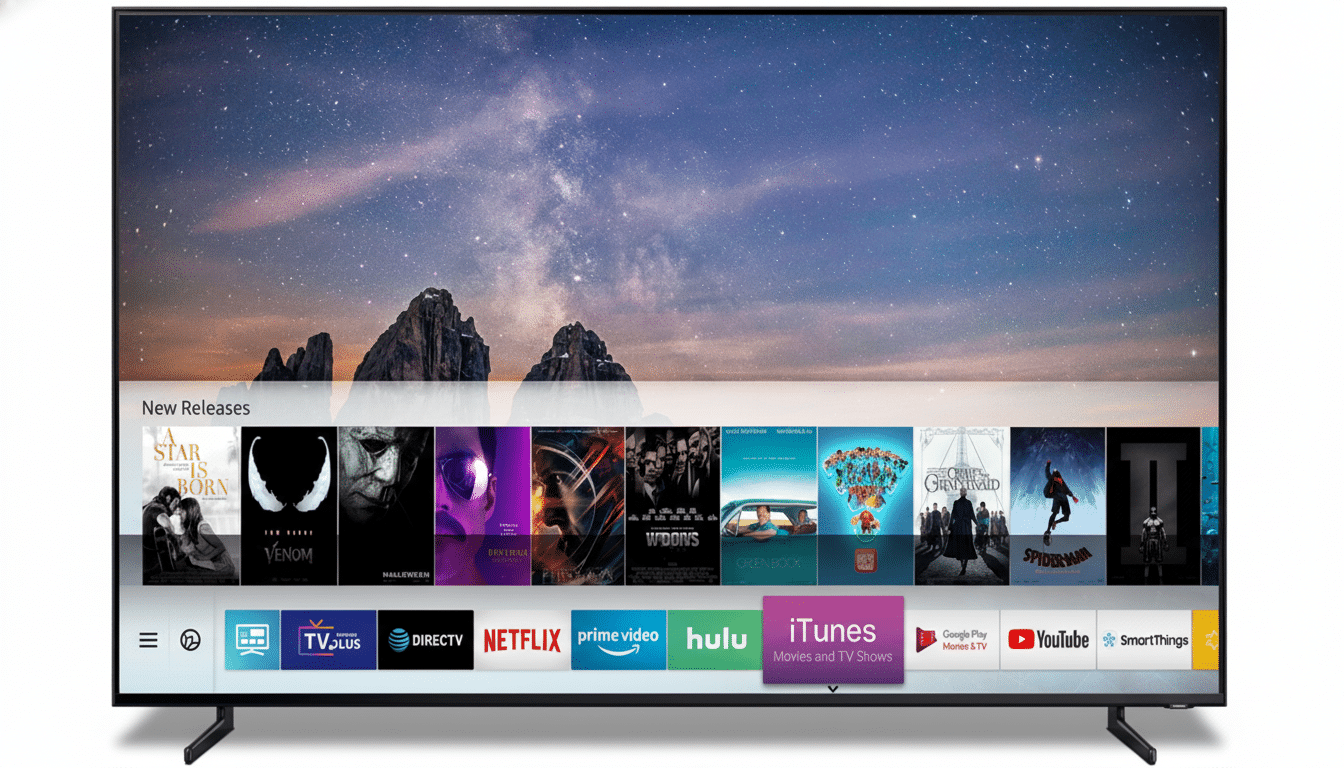
ACR, or automated content recognition, identifies what pops on the television screen — with periodic grabs of small image samples, or matches of audio and visual fingerprints against reference data. Being TV-side, ACR can identify shows, movies, ads and apps across inputs — streaming boxes and gaming consoles, for instance. Vendors use the resulting logs to personalize advertising on the TV, measure campaign reach and sometimes expand targeting to other devices in a household.
Technically, the automated content recognition technology can process hundreds of on-screen images a minute, creating a detailed log of viewing behavior. That data typically travels with persistent identifiers and network information that can be used to build household profiles. Privacy advocates argue that such profiles can be deeply revealing, industry groups counter that ACR data is pseudonymous and precious for financing free content and improving ad relevance.
The Legal Fight and Who Else Is Involved
The Texas Attorney General has also sued other major TV makers like Sony, LG, Hisense and TCL over similar ACR practices. The injunction, for its part, is against Samsung only. The state’s filing is part of a wider enforcement trend around the collection of TV data. In one high-profile previous episode, the Federal Trade Commission fined a TV manufacturer for tracking viewing on more than 11 million sets without adequate notice and consent — a sign that regulators were willing to consider ACR sensitive.
Tech firms have increasingly been forced to operate on a state-by-state basis when it comes to privacy risk. Some businesses turn biometric or face grouping features off in states with stricter laws, and platforms often customize data rules to fit local laws. If the Texas action moves forward, TV manufacturers and ad tech players may be forced to establish regional controls or shore up consent flows in order to withstand consumer protection scrutiny.
Why It Matters for Consumers and Advertisers
For viewers, the case illuminates just how much smart TVs know about what’s going on in their homes — and whether the on-screen messages that explain it do so adequately. The potential battle could hinge on effective consent: The regulators say they’re seeking clear, standalone disclosures and genuine choice by consumers rather than bundled permissions hidden deep inside lengthy terms. For advertisers, shedding ACR in a big state complicates reach measurement, frequency capping and audience building while generating further fragmentation and complicating campaign planning.
Samsung: The order puts its TV advertising business in the crosshairs. The smart TV makers have leaned heavily into ad-supported revenue, using ACR to prove ad performance and unlock higher prices. Protracted limits on ACR might compel a recalibration of tactics predicated on household-level viewing telemetry.
What Samsung TV Owners Can Do Immediately
Samsung TV owners who wish to halt tracking may turn off ACR in settings. On newer models, open Privacy Choices and deselect the box that says Viewing Information Services. You can also reset your advertising identifier within this same menu and view other personalized ad settings. ACR is labeled differently by different companies, so owners of sets not made by Samsung should check their privacy menus or support sites for guidelines.
The Texas case could push courts to determine where they draw the line between legitimate analytics and illegal surveillance. Whatever the resolution, one thing has already become clear: Smart TV data practices are moving from something buried in a privacy policy to something very much in view on the front page, and companies that depend on ACR will need to make transparency and consent features, not footnotes.
