


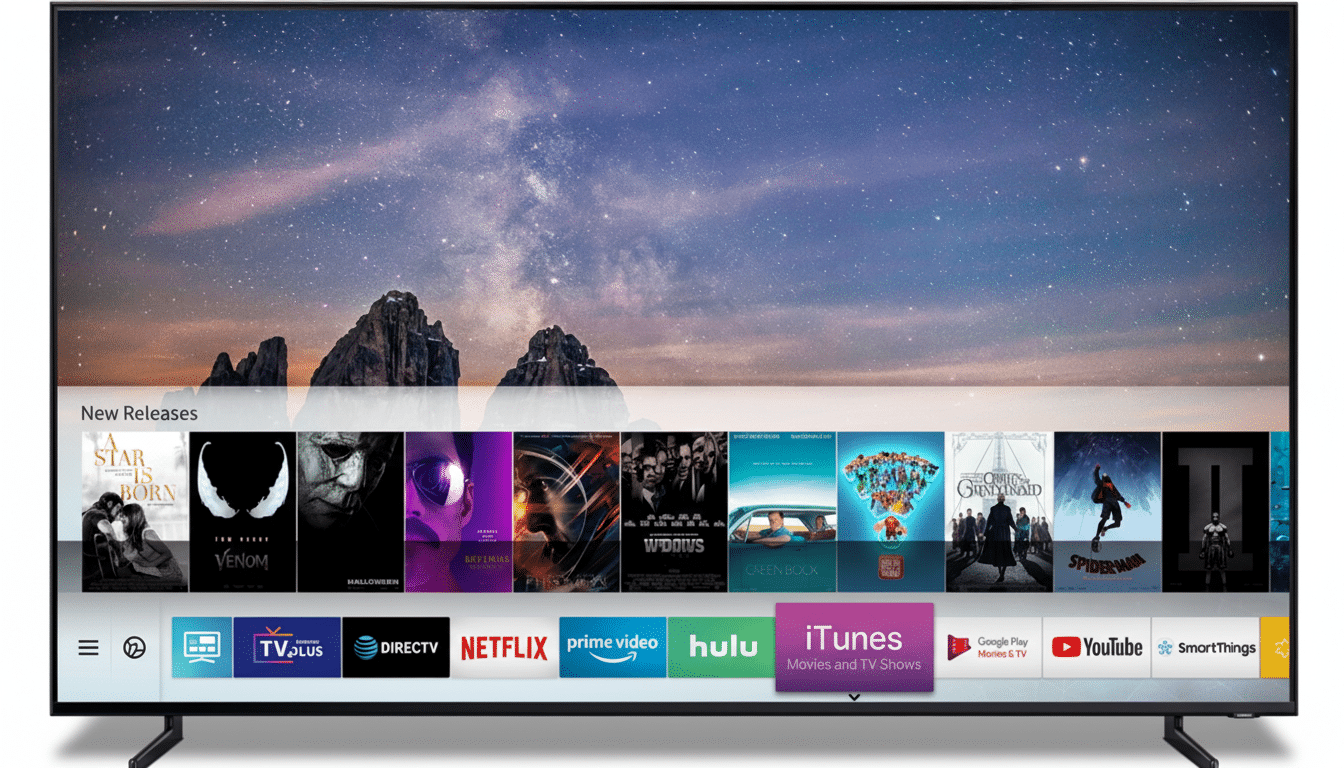
Now, Texas has set its sights on the business model of the smart TV. A sequence of lawsuits filed by the state attorney general’s office reveals an open secret: major television makers track what we watch on the big screen as part of a quest for consumer data, and they phone the information home without people’s “clear knowledge and consent,” using ACR—Automated Content Recognition.
What Texas Alleges About Smart TV Tracking Practices
The complaints name Samsung, LG, Sony, TCL, and Hisense, alleging that their televisions sample the image many times per second and indiscriminately decide whether to collect data from people’s homes by recording in one-second intervals, as often as every half-second.
- What Texas Alleges About Smart TV Tracking Practices
- What ACR Actually Captures From Smart Televisions
- The Advertising Stakes Driving Connected TV Data
- Legal Landscape and Precedent for TV Data Tracking
- How to Minimize Tracking on Your TV and Streaming Devices
- What to Watch Next as the Texas Smart TV Cases Unfold
The attorney general contends that this represents misleading tracking within the home and a violation of state consumer protection and privacy laws.
The state is framing the issue as both a privacy invasion and, for some brands, a national security concern if the data ultimately touches entities affiliated with foreign governments. Aside from geopolitics, the basic open legal question is whether consumers are being clearly told what’s being collected, how it’s used, and if they’re really given a choice to opt out.
What ACR Actually Captures From Smart Televisions
ACR is designed to identify content on a TV screen by matching sample video frame image slices against a reference database (similar to fingerprinting) rather than recording the entire movie. The technology is able to identify broadcast channels, streaming services, and even what’s playing through HDMI-enabled devices like gaming systems or cable boxes.
Manufacturers and vendors of ACR commonly say this data is pseudonymous and used to provide features ranging from personalized suggestions to advertising on multiple devices to campaign measurement. The nuance is consent: a lot of TVs turn on ACR when they’re set up out of the box with bundled opt-ins for privacy. Consumer Reports studies have shown that disclosures tend to depend on fine print, and settings are often all over the place and easy to miss.
The Advertising Stakes Driving Connected TV Data
Why collect this data anyway? Connected TV advertising is one of the fastest‑growing segments of the ad market. U.S. CTV ad spending tops $30 billion, Insider Intelligence estimates. After all, marketers want to follow TV eyeballs from cable and satellite distribution to streaming delivery platforms. ACR provides advertisers with second‑by‑second confirmation of what was shown on a particular screen, enabling them to measure exposure and retarget viewers later when they are watching on a phone or laptop.
The more TVs that can participate, the higher the value of the data. According to Leichtman Research Group, about 70 percent of U.S. households now have at least one connected TV — tens of millions of screens — so small data streams per device, suddenly at scale, can become meaningful.
Legal Landscape and Precedent for TV Data Tracking
Regulators have taken issue with undisclosed TV tracking before. In a 2017 case, the Federal Trade Commission accused Vizio of taking second‑by‑second viewing data from 11 million smart TVs without sufficient notice or consent; the company agreed to pay $2.2 million in penalties and to improve disclosures and opt‑out controls.
Texas is now one of a growing number of states to have comprehensive privacy laws on the books, providing attorneys general new tools to investigate dark patterns, default‑on tracking, and data‑sharing practices. Which side prevails will probably come down to whether the companies obtained clear, unbundled consent; honored opt‑outs; and otherwise restricted use and retention of viewing data.
How to Minimize Tracking on Your TV and Streaming Devices
There’s no need to wait for a verdict. Very often you can turn ACR off — though how the setting is labeled will differ.
- Samsung: Look under Privacy settings; it’s often labeled “Viewing Information Services.”
- LG: The feature is generally referred to as “Live Plus” or found in “AI Service Settings.”
- Sony and other Google TV models: ACR controls are typically under Privacy, sometimes branded by partners such as Samba TV.
- Roku‑based models (including many TCL and Hisense TVs): Use the “Use info from TV inputs” toggle within Smart TV Experience settings.
Also, don’t forget to turn off ad personalization at the TV operating system level, restrict app‑level tracking, and give your television a privacy checkup after software updates. If you turn off ACR, you may lose some tailored recommendations, but that’s not the end of your TV.
What to Watch Next as the Texas Smart TV Cases Unfold
Expect the defendants to claim that ACR is explained during setup, that the information does not include any personal details, and that individuals can easily opt out at any time.
Texas will argue that the notices were not clear and that the data practices went beyond what people could reasonably expect from a TV set.
Beyond the case at hand, the trend in the industry is clear: TVs are now data‑collecting computers with huge displays. That much is coming to pass regardless of whether the courts line up with Texas: manufacturers are under increasing pressure to surface privacy controls, set conservative default settings, and be more transparent about where data goes.
