


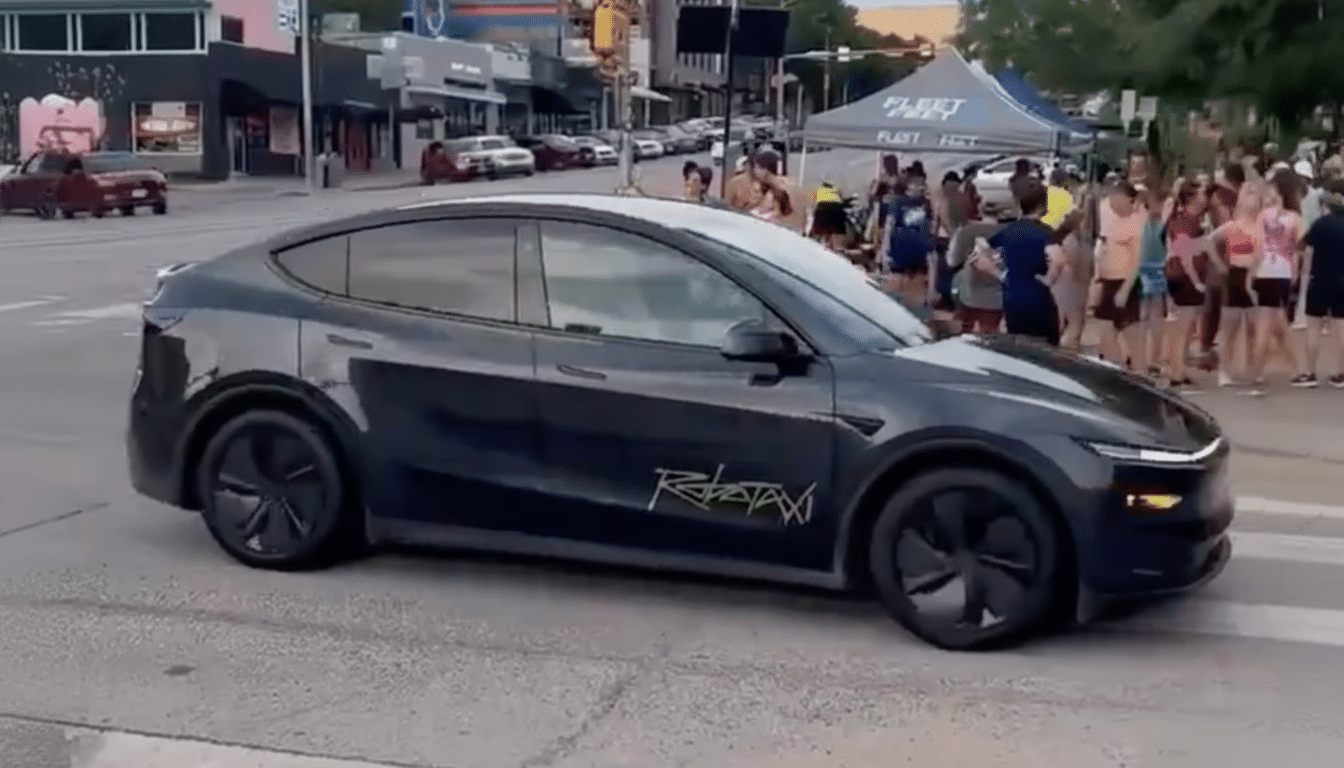
Tesla has started testing its robotaxi service in Austin with no safety driver behind the wheel, a major leap for the company’s autonomous ambitions and its most direct level of competition yet to incumbents in driverless ride-hailing. Model Y vehicles with no one behind the wheel have been seen making their way through city streets, and company officials also confirmed this week that the fleet has gone into service.
What Happened on Austin Streets During Testing
For months, Tesla has restricted the rides to a small group of invited users and influencers, first in the passenger seat with an employee at the wheel and, more recently, behind the wheel. The clamps are off the road now. As riders and public sightings attest, the operational area has expanded across large swaths of the metro — even if, in all, it added up to a modest active fleet, by most counts around 25 to 30 vehicles.
Tesla hasn’t made any announcements yet on when fare-paying, rider-only trips will be available to the public. The company has suggested it would take a methodical path before quickly ramping, but it has not indicated on the record a specific timetable or ridership goals.
Safety Oversight and Regulatory Scrutiny in Texas
Going driverless makes safety performance the focus. Records of federal incident filings show at least seven crashes with Tesla’s Austin test vehicles, but crucial details are redacted. The National Highway Traffic Safety Administration is still examining Tesla’s automated driving systems, and the National Transportation Safety Board has repeatedly urged clearer safeguards and transparent safety justifications from companies that put autonomous tech on the road.
Tesla leans on a camera-based, “vision-first” stack that runs homegrown neural networks using custom compute. It doesn’t rely on lidar, unlike some rivals. The company says this scales better and adapts faster, but it also presumes that independent validation becomes paramount — especially in complicated, urban situations in which edge cases proliferate.
Under Texas law, a car can offer fully driverless service if it meets certain other requirements and maintains basic insurance, with no overlying state or utility commission permits required in the manner of California, for example. That regulatory stance allows for a more rapid iteration on the road — but it also means that companies are increasingly being asked to voluntarily divulge performance statistics like collisions per million miles and intervention rates.
Why Austin Is the Focus for Tesla’s Driverless Push Now
Austin has a mixture of downtown congestion, the never-ending construction woes of a growing city, and complex frontage roads around the I-35 freeway system, in addition to high pedestrian activity from its entertainment districts — all of which make for a prime testing ground for real-world autonomy.
It’s also Tesla’s own backyard for manufacturing and engineering, which simplifies logistics and fleet support.
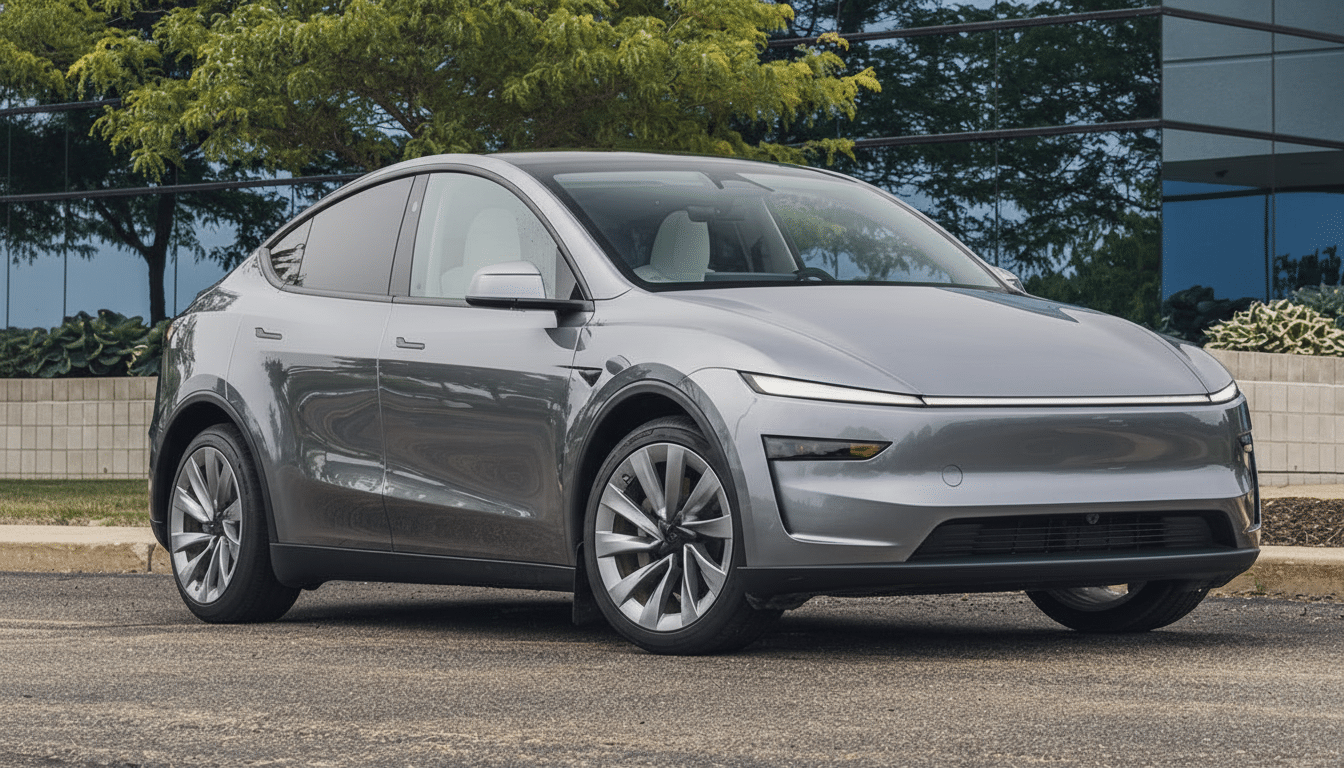
The competitive stakes are high. Waymo has already operated enterprise-only services in various cities, and it also releases voluminous safety information. Cruise was already operating in Austin before it halted operations across the country after governmental crackdowns in another state. Tesla’s decision to produce empty cars indicates that it intends to be viewed in the same league — but with a different technical philosophy and quicker path to scale.
Ambitions Clash With Operational Reality
Elon Musk has been talking up a speedy build-out of a Tesla-branded robotaxi network, and has tossed out the prospect of allowing owners to throw their own cars into the mix. In reality, Tesla has gone through several hardware generations of its driver-assistance computers and sensors, potentially meaning millions of customer cars would need retrofits before they could even theoretically serve as robo-taxis.
In Austin, the company is expected to roughly double its pilot fleet as it hashes out reliability, fleet maintenance and rider experience challenges. The most difficult problems are prosaic: fault detection, remote service for stalled vehicles, incident response with first responders, and maintaining performance in the rain, glare, dusk, and unsafe turns typical on Austin arterials.
The Key Metrics to Watch as Driverless Pilots Scale
When you take the driver off the table, the bar goes from “can this car handle most situations” to “can this system demonstrate very rare failures are extremely rare.” Key indicators include:
- Rates of collisions and near-misses normalized for miles driven
- ODD disclosures: weather, speed, and type of roadways
- Time taken to recover disabled vehicles and emergency response mechanisms
- Independent audits or third-party safety evaluations, as promoted by IIHS methods
Waymo makes disengagement and incident data public in some jurisdictions, but Texas does not require it to be reported. If Tesla wants trust from the public outside of early adopters, voluntary transparency will be as important as technical prowess.
What’s Next for Austin Riders as Service Expands
Have a reasonable opening: rider-only trips, geofenced to well-mapped corridors and times of day with stable conditions. Service quality — on-time pickups along crowded curbs, minimal need for rerouting around construction sites, respectfully sharing the road with cyclists and scooters — is going to matter as much if not more than safety statistics.
If Tesla can show it works, without accidents at low volumes of use, momentum could rapidly grow. And if problems emerge without clear reporting and fixes, regulators and the public would demand explanations. Either way, Austin has become the test track for Tesla’s most ambitious gamble: robotaxis with nobody behind the wheel.
