


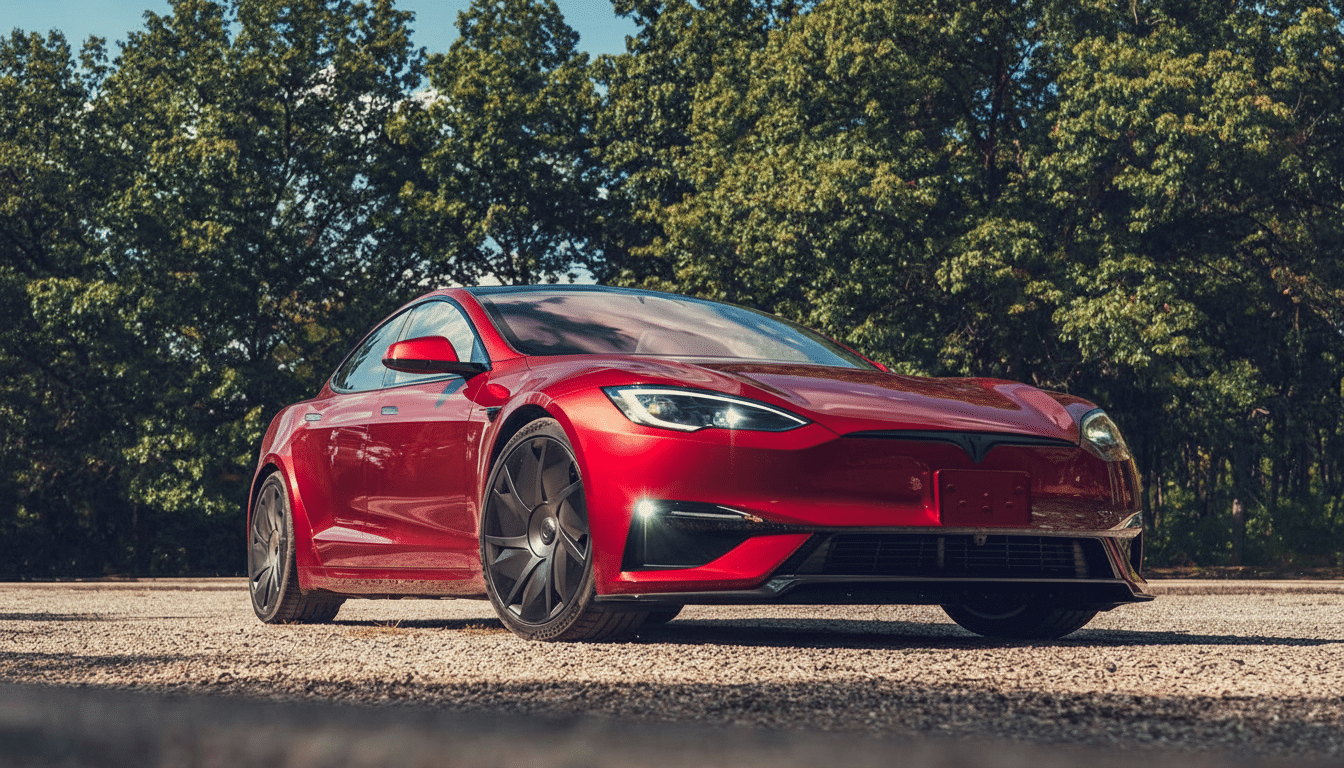
Tesla is winding down production of its flagship Model S sedan and Model X SUV, closing a chapter that helped define the modern electric car. The move was outlined by Elon Musk on the company’s earnings call and echoed by Tesla’s official account, which said production would taper off next quarter. For fans and longtime owners, it’s the end of the two vehicles that made Tesla a premium brand as much as a technology story.
A Strategic Pivot Toward Autonomy and Robotics
The decision is tightly linked to Tesla’s shift toward autonomy and new robotics initiatives. Musk signaled that the Fremont, California line that built S and X will be repurposed for Optimus, the company’s humanoid robot project. He also reiterated that future vehicles will be designed primarily as autonomous platforms, with the next-generation Roadster as a notable exception.
Tesla’s near-term product roadmap increasingly centers on software-driven mobility rather than adding more traditional vehicle nameplates. The company has discussed a purpose-built “Cybercab” or robotaxi as its next major automotive launch, a move that prioritizes autonomy-first hardware and service models over conventional retail sales.
What Discontinuation Means For The Lineup
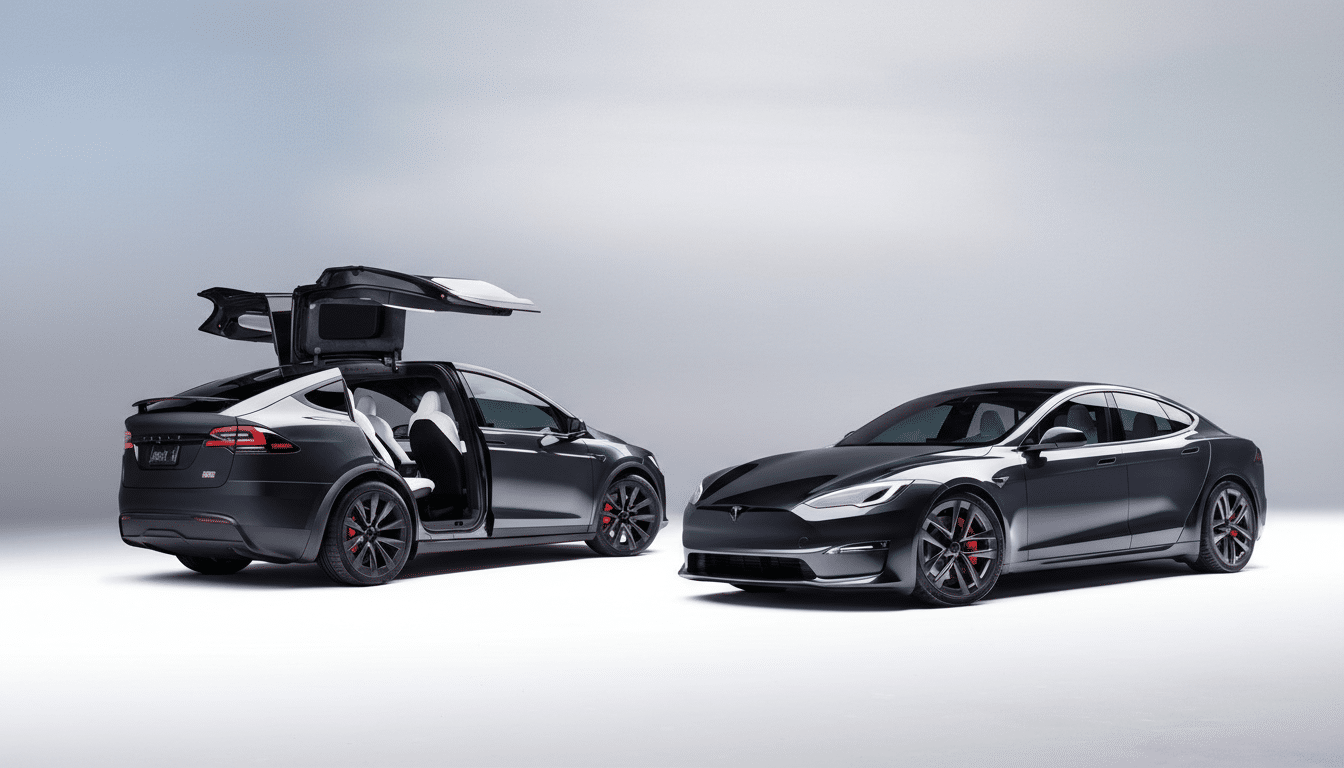
With S and X exiting, Tesla’s consumer lineup becomes narrower, leaning on the high-volume Model 3 and Model Y. That leaves a noticeable gap in the full-size luxury segment. The Model S was Tesla’s large performance sedan, while the Model X served as the most spacious, premium family hauler in the range. Buyers seeking something more upscale or capacious will likely consider the Cybertruck, a polarizing alternative that doesn’t neatly replace a traditional luxury sedan or three-row SUV.
The competitive landscape has evolved dramatically since the Model S debuted in 2012. Rivals in the premium EV space now include the Lucid Air and Mercedes-Benz EQS on the sedan side, and large electric SUVs such as the Rivian R1S and BMW iX. By stepping away from S and X, Tesla risks ceding part of the luxury market even as it doubles down on software, scale, and autonomy.
Sales Signals Behind The Move to End S and X
Tesla has long grouped Model S and Model X into an “other models” category for deliveries, a catch-all that also includes newer programs. In Q4 2025, that bucket amounted to 11,642 units, down 51% year over year. The trend mirrors what industry analysts have noted across the EV market: intensifying competition, broader model choice, and aggressive pricing dynamics have shifted where demand concentrates. Tesla, meanwhile, put most of its energy into the global scale-up of Model 3 and Model Y, while S and X saw incremental refreshes rather than ground-up redesigns.
For a company famed for simplification, removing low-volume complexity is consistent with past decisions. It reduces manufacturing footprints, frees up capital and talent for next-gen programs, and helps Tesla align its factory network with a future anchored by autonomy and robotics.
Guidance For Owners And Last-Minute Buyers
If you’re considering a Model S or X, Tesla indicates there is a limited window to place an order before production winds down. As with other discontinued vehicles, remaining inventory is likely to carry through while the company delivers existing builds. Owners can reasonably expect continued software and service support; Tesla historically maintains over-the-air updates and parts service for legacy models, and the Supercharger network remains a constant across the fleet.
Resale values could swing both ways. Scarcity sometimes benefits well-kept, high-spec trims, but uncertainty about long-term production often dampens broader demand. Shoppers weighing alternatives should factor in warranty coverage, service accessibility, and the pace of Tesla’s software updates, which have been a key retention driver.
The Legacy Of Model S And Model X At Tesla
Model S proved an electric car could be both a long-range cruiser and a blistering performer, culminating in versions that challenged supercars while delivering everyday practicality. Model X, launched in 2015, brought distinctive falcon-wing doors, optional three-row seating, and robust towing capacity to an EV SUV segment that barely existed at the time.
Together, the two vehicles helped make EVs aspirational and accelerated the build-out of fast charging infrastructure that underpins the category today. Their departure marks a turning point, not just for Tesla’s catalog, but for how the company defines its next act: less about classic luxury nameplates, more about autonomy, robotics, and software-led services.
