


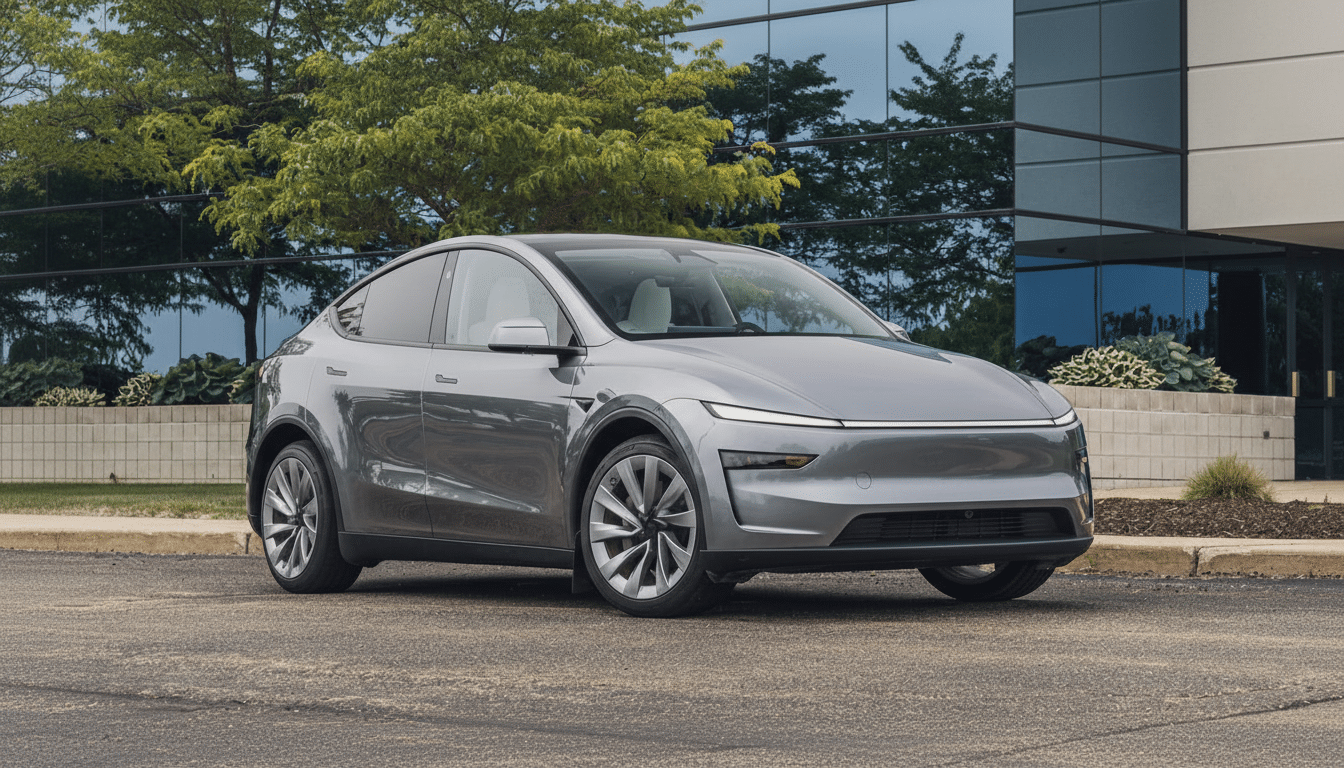
A harrowing 911 call described in a new wrongful death lawsuit has intensified scrutiny of Tesla’s electronic door system after a young driver, trapped inside a burning Model Y, begged dispatchers for help and later died from smoke inhalation and thermal injuries. The case, detailed in court filings and first reported by Bloomberg, centers on whether the vehicle’s power-dependent doors hindered escape in the crucial minutes after a crash.
A 911 Call for Help That Came Too Late to Save Driver
According to the complaint, 20-year-old Samuel Tremblett survived the initial impact when his 2021 Model Y left the road and struck a tree outside Boston. He dialed 911, telling the dispatcher that the car was burning and that he could not get out. Responding officers arrived quickly but could not extinguish the blaze or remove him. Firefighters ultimately took hours to fully suppress the fire, the lawsuit states.
- A 911 Call for Help That Came Too Late to Save Driver
- What the Lawsuit Alleges About Tesla’s Door System
- How Tesla Doors Are Supposed to Work When Power Fails
- EV Fires Pose Unique Challenges For Rescuers
- What Drivers Can Do Now to Prepare for Emergencies
- The Broader Safety Conversation on Digital Controls
The filing says the recorded call captures a terrifying sequence: the driver gasping that the vehicle is on fire, pleading for help, and indicating he feared he would not survive. Those details place a stark spotlight on emergency egress in modern cars that rely on electronics for basic functions like opening doors.
What the Lawsuit Alleges About Tesla’s Door System
The complaint argues Tesla sold vehicles with defective and unreasonably dangerous automated door handles and failed to provide adequate warnings and instructions about emergency operation. Attorneys contend the company knew or should have known of risks tied to power-dependent door releases in crash scenarios. Tesla did not immediately comment on the litigation, and the company has previously defended its vehicle designs and safety record.
Bloomberg’s prior reporting identified 15 deaths in incidents where Tesla’s electronic door system allegedly impeded escape, highlighting a pattern of crashes or fires in which occupants or rescuers struggled to open doors after a power loss. The new lawsuit situates this tragedy within that broader safety debate.
How Tesla Doors Are Supposed to Work When Power Fails
In Tesla vehicles, a low-voltage system controls components such as electronic latches, handles, and windows. If that system is disabled in a crash or fire, the usual touch or button-based door release may not function. Mechanical emergency releases exist, but they can be unfamiliar to drivers and difficult to locate under stress. Safety experts say that in high-adrenaline situations, even trained users can struggle to recall seldom-used procedures.
After multiple incidents raised concerns, Tesla said it would deploy a software change to automatically unlock doors following a serious collision. Advocates call that a step forward, but argue that software fixes cannot substitute for intuitive, redundant mechanical access that works instantly when power is lost.
EV Fires Pose Unique Challenges For Rescuers
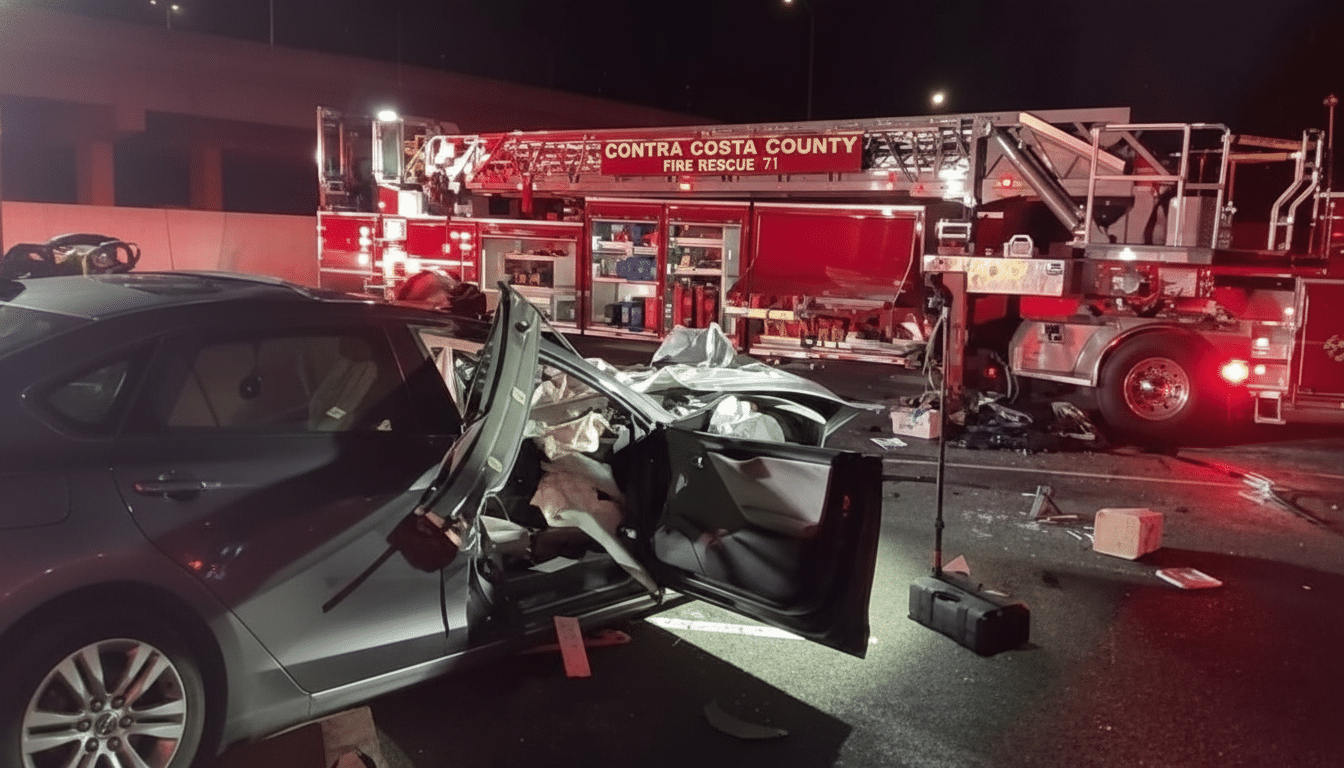
Lithium-ion battery fires are rare but can be extraordinarily difficult to extinguish, according to guidance from the National Fire Protection Association and incident briefs by federal safety agencies. Thermal runaway can lead to persistent heat and re-ignition, requiring sustained cooling and, in some cases, thousands of gallons of water. Multi-hour suppression efforts, like the one described in this case, are not uncommon when high-voltage packs are compromised.
It’s important context that internal combustion vehicles still account for the vast majority of highway fires, but EVs present a different profile: fewer fires overall, yet more intensive firefighting tactics when batteries ignite. For occupants, that means seconds count, and any delay in opening a door or window can be catastrophic as smoke rapidly fills the cabin.
What Drivers Can Do Now to Prepare for Emergencies
Experts recommend that owners of vehicles with electronic latches, including Teslas, learn the precise location and operation of mechanical door releases before an emergency. Review the owner’s manual, practice locating the releases from the seated position, and brief frequent passengers. Consider keeping a certified window-breaking tool and seatbelt cutter accessible, noting that laminated glass may require specialized tools and techniques described in vehicle emergency guides.
- Learn and practice using mechanical door releases in advance.
- Review the owner’s manual and brief frequent passengers.
- Keep a certified window-breaking tool and seatbelt cutter accessible.
- Note that laminated glass may require specialized tools and techniques.
First responders urge drivers to share precise location details with dispatchers, keep the line open, and follow instructions. If fire or smoke is present and the doors do not open electrically, immediately try the mechanical release and alternative exits. Seconds of hesitation can make the difference between escape and entrapment.
The Broader Safety Conversation on Digital Controls
The lawsuit will test claims about design defects and warnings, but its impact may extend further. Automakers are increasingly moving core functions to software-controlled interfaces, from gear selection to door operation. Safety researchers argue that as cabins become more digital, manufacturers must ensure redundant, clearly labeled, and intuitive mechanical overrides are easy to find and use under extreme stress.
Whether through regulation, litigation, or voluntary design changes, the central question remains the same: when power fails and seconds matter, can occupants get out immediately? The haunting 911 call at the heart of this case underscores why that answer needs to be yes, every time.
