


A Tennessee resident is expected to plead guilty to repeatedly breaching the U.S. Supreme Court’s electronic filing system, a rare intrusion into the judiciary’s digital infrastructure that underscores the growing pressure on court technology to defend against persistent cyber threats.
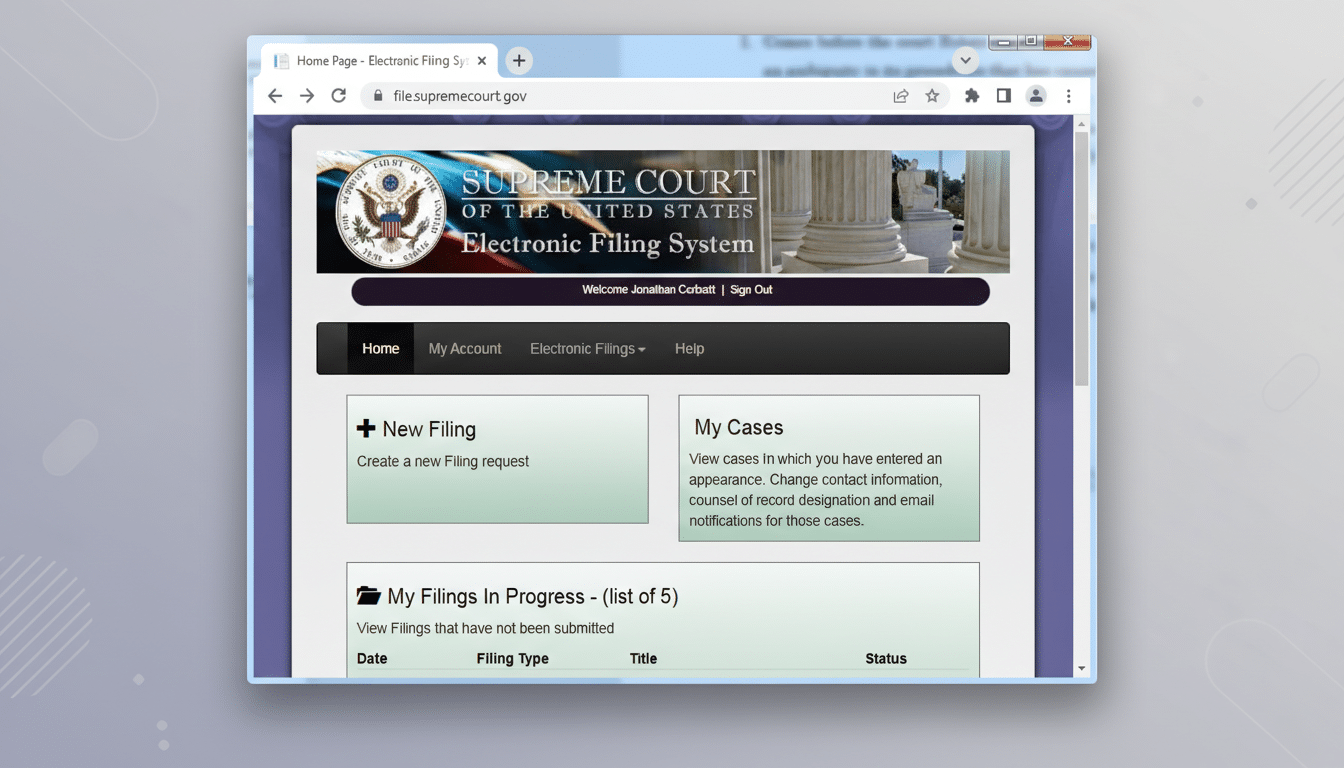
Prosecutors say Nicholas Moore, 24, of Springfield, intentionally accessed the Supreme Court’s system without authorization on 25 separate days over a span of months. A court filing alleges he obtained information from a “protected computer,” a term used in federal law to cover systems used by the government and critical services. Authorities have not publicly detailed what data was accessed or the technique used, and a plea hearing is expected to proceed by video.
What Prosecutors Allege About the System Breaches
The charging documents describe a pattern of repeated, unauthorized access rather than a one-off probe, suggesting either persistence or a reusable weakness in how the system authenticated users. In similar cases, investigators focus on whether credentials were stolen, reused, or brute-forced; whether automation played a role; and whether any access reached beyond public filings to internal routing data or user account information. Prosecutors have not indicated that sealed or classified materials were exposed.
Moore is expected to admit to the conduct as part of his plea. Sentencing would follow at a later stage, with penalties influenced by the agreed facts, any demonstrated intent to profit or disrupt, and the scope of any data accessed. An attorney listed for Moore did not respond to a request for comment.
Why The Supreme Court’s E‑Filing System Matters
The Supreme Court’s electronic filing system, launched to make docketing more efficient, handles the vast majority of public filings in cases before the Court. While sealed materials are not filed electronically and remain tightly controlled, the platform still manages thousands of submissions each Term, including petitions for certiorari, briefs, and appendices. Supreme Court statistical reports regularly note that more than 7,000 petitions are filed each year, placing significant operational weight on the e‑filing infrastructure.
Beyond documents themselves, e‑filing platforms often store user account data (such as attorney and party contact details), filing histories, and metadata that reveal timing and workflow. Even if documents are public, unauthorized access to system internals can expose nonpublic information about users or processes, or enable fraudulent filings that sow confusion on the docket.
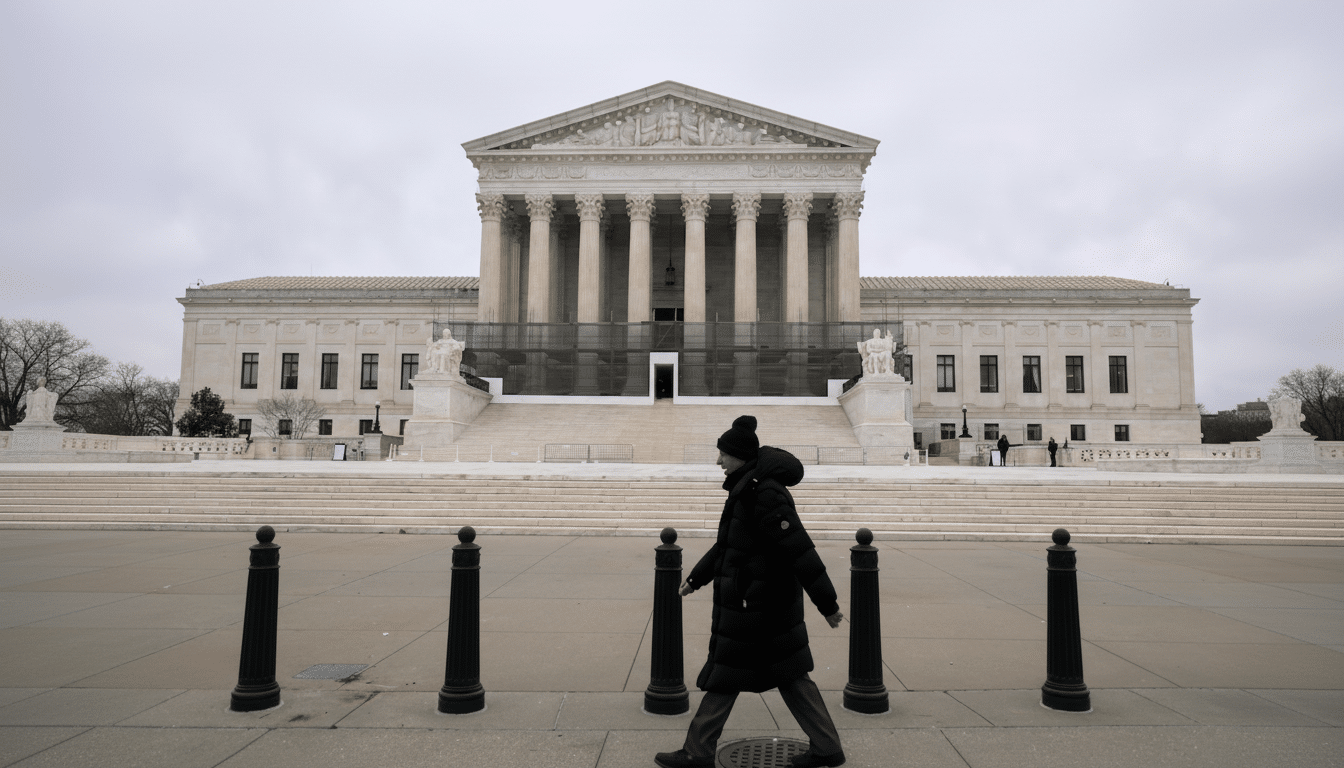
A Pattern Of Pressure On Court Technology
Judicial systems have become recurring targets. The Administrative Office of the U.S. Courts has acknowledged a major cyber incident affecting the federal judiciary’s electronic records platform in recent years and has said it strengthened defenses afterward. U.S. officials have attributed aspects of that broader campaign to Russian government–linked hackers, highlighting how court systems sit squarely within the crosshairs of state and nonstate actors.
State and local courts have also endured disruptions from ransomware, forcing temporary shutdowns of e‑filing and delaying proceedings. Government watchdogs, including the Government Accountability Office and the Office of Management and Budget, have repeatedly warned that federal entities collectively report thousands of cyber incidents annually, a backdrop that has pushed courts to expand multi‑factor authentication, audit trails, and network segmentation.
What We Know And What We Don’t About the Case Details
Key details remain undisclosed: investigators have not said whether the intrusion involved credential theft, a software flaw, or social engineering; whether any accounts were compromised at scale; or whether defenses detected the activity or it was surfaced through external reporting. The case first drew wider attention after being identified by Seamus Hughes of Court Watch, which monitors federal court filings.
As the plea proceeds, the government may outline a fuller narrative in a plea agreement or sentencing memorandum, including any remediation steps taken by the Court’s technology staff. Regardless of the method, the episode will likely accelerate existing efforts across the judiciary to harden login security, tighten rate limits, and expand anomaly detection on critical systems that underpin public access and case management.
What Comes Next in the Supreme Court E‑Filing Case
A guilty plea would move the case into a sentencing phase, where the court will weigh the frequency of the access, any identified harm, and Moore’s cooperation. For the Supreme Court and the broader judiciary, the case serves as a reminder that even systems designed primarily for public filings require the same rigor as any other government platform: layered authentication, continuous monitoring, and rapid incident response.
