


TDM leveraged its presence in the spotlight at CES to announce Neo, on‑ear headphones that mechanically transform into a handheld Bluetooth speaker in mere seconds. The company touts Neo as a first-of-its-kind hybrid, seeking to do away with the typical headphone‑plus‑speaker combo in favour of a convenient travel companion.
Neo is a Headphone That Is Also a Wireless Speaker
The pitch is refreshingly naked: Don Neo like any over‑ear cans, then flip the cups outward to reroute audio to external drivers and share music. No adapters, no companion shells — just a physical twist that switches up the listening mode. It’s an idea ideally suited to park hangs, hotel rooms and impromptu demos where a phone speaker won’t suffice.
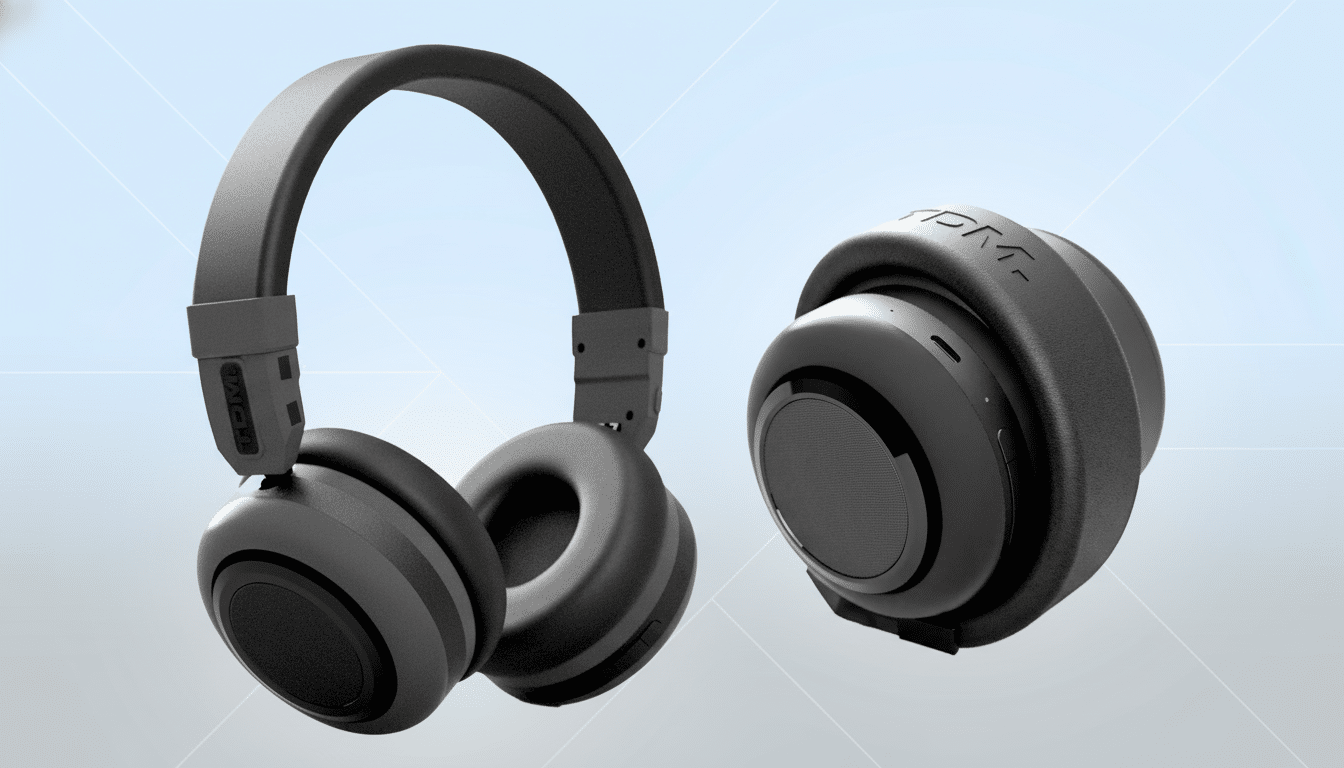
With TDM’s software, you are free to make the twist do whatever you want. You can have it automatically switch between private drivers and speaker drivers, pause playback, turn itself off or disregard the motion completely. That is a nice touch for commuters who prefer that not everything be a bag jostle from party mode.
Design and Acoustics of the Transforming Neo Headphones
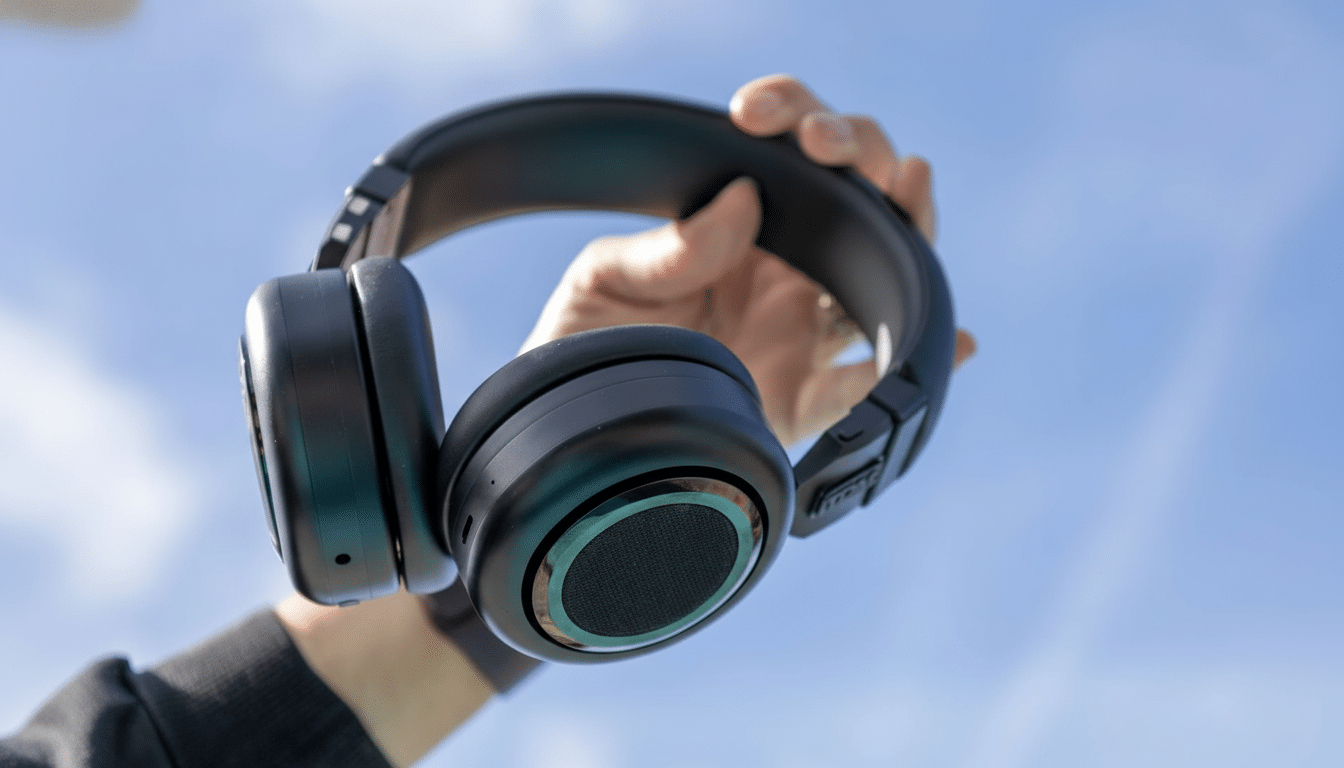
Four independently tuned 40 mm drivers — two that are forward-oriented for headphone use and two backward-facing ones to form the speaker setup — sit inside, four in all, backed with dual integrated amplifiers underneath it all. TDM states that the system is optimized for clarity in both orientations, and I suspect that has to do with tight DSP crossovers and phase management to keep bass punchy in headphones while reducing boxiness in the mids when sound is projected outward.
At just under 350 g, Neo belongs to the same weight class as many full-size premium over-ears. The adjustable headband and removable ear cushions ought to assist in long sessions, and the cup architecture has to strike a balance between isolation for private listening and openness for speaker projection. Just count on something that could play loud enough for a small gathering, but is more about “better than a phone” performance, and not the backyard subwoofer.
Battery Life and Connectivity Features of TDM’s Neo
The headline spec is battery life: TDM is claiming over 200 hours in headphone mode and above 10 hours as a speaker. A replaceable battery module helps ensure longevity, in line with wider right‑to‑repair movements and Europe’s demands for more user‑serviceable consumer tech.
Features include multipoint pairing over Bluetooth 6, a built‑in microphone and USB‑C fast charging. TDM claims about eight hours of playback from a five‑minute top‑up, and this would seem to indicate aggressive charge curves, supported by auto power‑off, overcharge and thermal protections. Those safeguards are table stakes for contemporary wearables, but they also matter when you’re quick‑charging dense cells.
Price, Availability, and Caveats for TDM’s Neo Headphones
Neo is scheduled to launch for pre-orders on Kickstarter at $249, in a black finish and a white finish. Crowdfunding can allow a newcomer to estimate demand, but it is also risky. Academic studies of crowdfunding, like some work by Wharton’s Ethan Mollick, have found that hardware timelines are often pushed back, even if and when products do ship. Take that into your expectations for a new hinge and driver system on a novel piece of tech that hasn’t lived in consumers’ bags and gyms.
The demo units at CES certainly make a compelling case for everyday versatility, though practical questions will have to be answered by real‑world testing: How durable is the twist mechanism after several hundred cycles? Is tonal balance preserved in the outward‑facing mode at higher listening levels? How well do wind and room correction work when the cups are extended?
Why This Hybrid Headphone-Speaker Concept Matters
Most of us still balance headphones for solitary moments and a separate speaker for when we want to share music with others. That’s where a good two‑in‑one does everything from lightening the load to cutting e‑waste, all while fitting how people actually stream music throughout their homes, commutes and travels. The Consumer Technology Association has emphasized audio as a major force behind personal tech spending, and billions of devices ship each year with audio streaming standing out among the most utilized profiles (there is plenty of runway for a product that radically rethinks form factor rather than bend over backwards to adopt yet another codec.)
There’s also a larger trend toward modularity. AIAIAI helped popularize swap‑friendly headphone parts; if TDM’s removable battery brings the same philosophy to your powertrain. And if Neo retains its acoustic and mechanical performance, it could represent a new category for social‑first headphones — private when you want them to be; shareable when you don’t.
Bottom line: Neo’s twist‑to‑share concept is refreshingly pragmatic. If it can meet its battery promises, and apps, tuning, and build quality are on point, TDM won’t just have a neat demo — it will be a real alternative to carrying around two devices every day.
