


Sony is handing the reins of its TV business to TCL, with a planned joint venture that gives the Chinese manufacturer a 51% stake in Sony’s home entertainment arm. On paper it sounds like an operational shuffle. In practice, it could reshape how premium televisions are conceived, built, and priced.
The partners say the new entity will fuse Sony’s image processing, audio expertise, and brand equity with TCL’s global manufacturing scale, component supply, and cost discipline. That combination aims to accelerate product development while pushing flagship-grade features deeper into mainstream price bands.
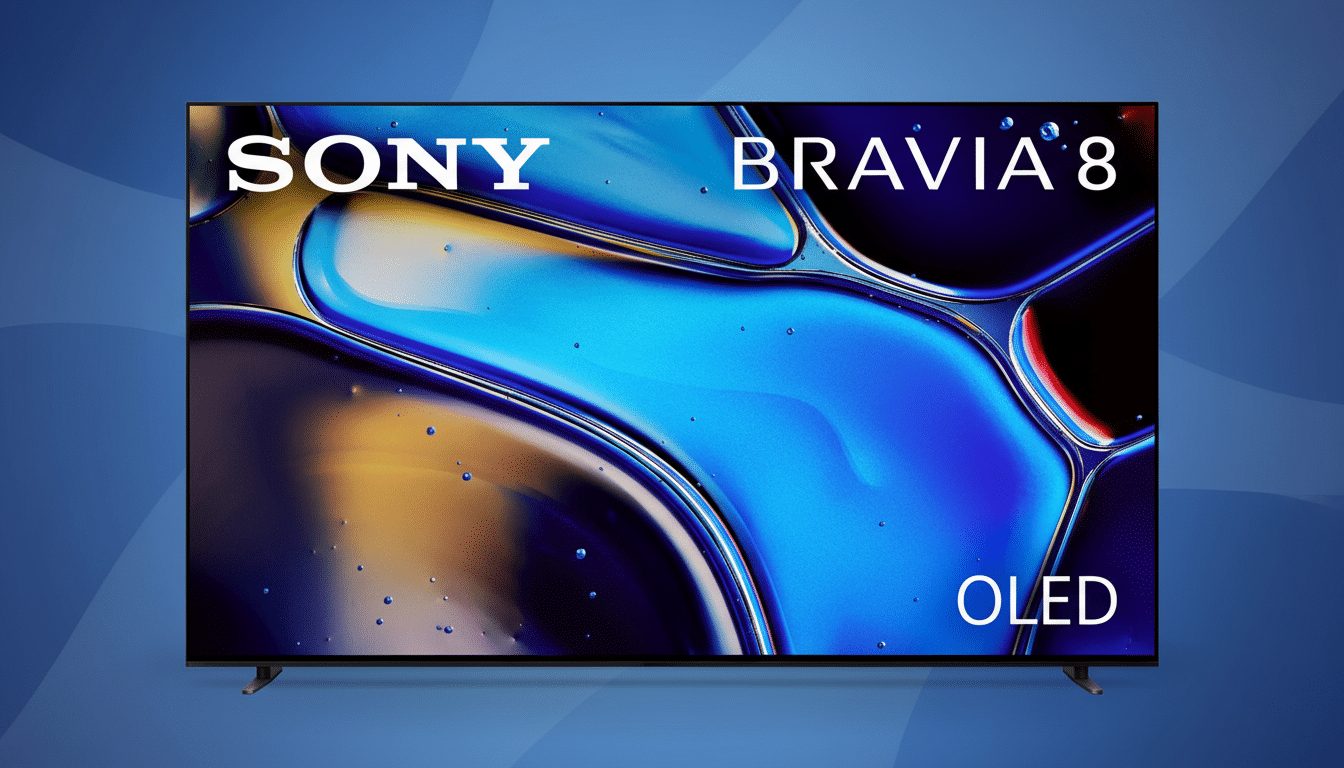
Industry trackers like Omdia have ranked TCL among the top two TV shippers worldwide in recent years, while Sony’s Bravia line consistently over-indexes in premium tiers, according to retail research firms such as Circana. Merging those strengths positions the venture to challenge incumbents from both ends of the market.
Why This Partnership Matters for the TV Market
This isn’t just contract manufacturing. Sony is effectively pivoting its TV strategy toward intellectual property, software, and product definition, while TCL becomes the operational engine behind Bravia hardware. For TCL, it’s an express lane into the high-end halo Sony has cultivated with cinephiles, gamers, and calibrators.
Display Supply Chain Consultants notes that panels can represent roughly half of a TV’s bill of materials. TCL’s vertical integration—via its CSOT panel business and broad Mini LED backlight capacity—can compress those costs and stabilize component availability. Layer Sony’s picture tuning and audio circuitry on top, and you get a recipe for premium performance without runaway pricing.
What Changes for Shoppers Buying Sony Bravia TVs
Expect branding to remain Bravia-first. A “designed by Sony, built by TCL” message is likely, clarifying roles without diluting the badge. Early lineups may be tighter as the venture eliminates overlapping models and locks in shared reference designs for LED, Mini LED, and OLED tiers.
The big question is whether Sony’s hallmark processing—think upscaling, motion handling, and HDR tone mapping—stays intact. That’s the stated intent. If the Cognitive Processor XR (or its successor) and Sony’s color science continue to drive the image pipeline, the look and feel that loyalists expect should carry forward, even if the assembly line sits inside TCL plants.
On features, continuity is also likely: Google TV software, broad HDMI 2.1 support for 4K/120 gaming, VRR, and ALLM, and Sony’s emphasis on calibrated presets for film and sports. Audio could benefit as well if Sony’s speaker design and signal processing (such as its virtual surround approaches) are integrated into TCL’s chassis platforms.
Pricing is where things could get interesting. TCL’s scale and end-to-end supply chain may enable more aggressive MSRPs and faster promotions on larger sizes, without sacrificing the refinements that keep Bravia in the conversation for “best picture.”
How the TV Supply Chain Could Shift Under This Deal
TCL’s CSOT fabs are among the world’s most capable for large LCD panels and high-zone Mini LED backlights, which are critical for precise local dimming and elevated brightness. DSCC expects Mini LED to keep extending into bigger screen sizes and higher zone counts, a trend the venture can exploit with unified engineering roadmaps and massive component buys.
For OLED, Sony’s long-standing relationships with panel makers like LG Display and Samsung Display remain an advantage—Sony’s strength is less about making the panel and more about what it does with it: near-black control, color accuracy, and thermal management for sustained brightness. TCL gains access to that tuning expertise and those supplier touchpoints, while supplementing with its own R&D in backlighting, optics, and manufacturing automation.
The Competitive Picture in Premium Television Markets
Samsung and LG still anchor the premium conversation with QD-OLED, WOLED, and Mini LED flagships. Hisense continues to press value leadership with aggressively bright Mini LED sets. Several brands, including Panasonic and Vizio, have scaled back or refocused away from global TV battles. A TCL-led Bravia consolidates capabilities in a way rivals can’t ignore: a top-volume manufacturer paired with one of the most trusted picture-quality brands.
At recent trade shows, TCL has showcased high-output Mini LED models and advanced local dimming algorithms, while Sony has emphasized filmmaker modes, creator intent, and color fidelity. Uniting those threads could tighten the race for reference-class sets—and bring more of that tech into living rooms at sizes that used to be unattainable for most buyers.
Hurdles and What to Watch Next for the Joint Venture
The venture still faces regulatory approvals across multiple regions, and integration is never trivial. Quality assurance must align with Sony’s stringent standards, while TCL’s factories adapt to new component mixes, acoustic enclosures, and tighter tolerances. Service networks, warranty policies, and update cadences will signal how customer experience is prioritized.
Keep an eye on the first co-developed Bravia line: the mix of OLED and Mini LED sizes, brightness claims, and gaming features; whether Sony’s streaming perks like Bravia Core continue; and how aggressively the venture prices 77-inch and larger screens. Calibrator feedback and early third-party measurements will reveal whether the Sony look made the leap intact—now powered by TCL’s manufacturing muscle.
