


T-Mobile is passing the torch to Srini Gopalan, while its long-serving chief Mike Sievert is taking on the title of vice chairman. The next chapter is about becoming, as the company puts it, “data‑driven, AI‑enabled, and digital‑first.” That sounds buzzy, but for customers, it means real changes in how you buy service and get support as well as sudden (and potentially inconvenient) shifts in the network.
Who is Srini Gopalan, and why was he chosen to lead?
Gopalan, who now works as T-Mobile’s COO, is a telecom exec vet, having led the likes of Deutsche Telekom, Vodafone UK and Bharti Airtel. But his résumé leans toward scaling digital operations and fattening margins — relevant in the mature United States market, where growth momentum depends on smarter processes, not splashy stunts.
- Who is Srini Gopalan, and why was he chosen to lead?
- Expect a more digital‑first T‑Mobile experience ahead
- Customer service: More bots, speedier escalations
- Will your bill change under a more digital‑first T‑Mobile?
- Network leadership must maintain and broaden coverage
- Retail and device upgrades could be different
- Data use and privacy issues as T‑Mobile gets more digital
- What this transition means for T‑Mobile consumers
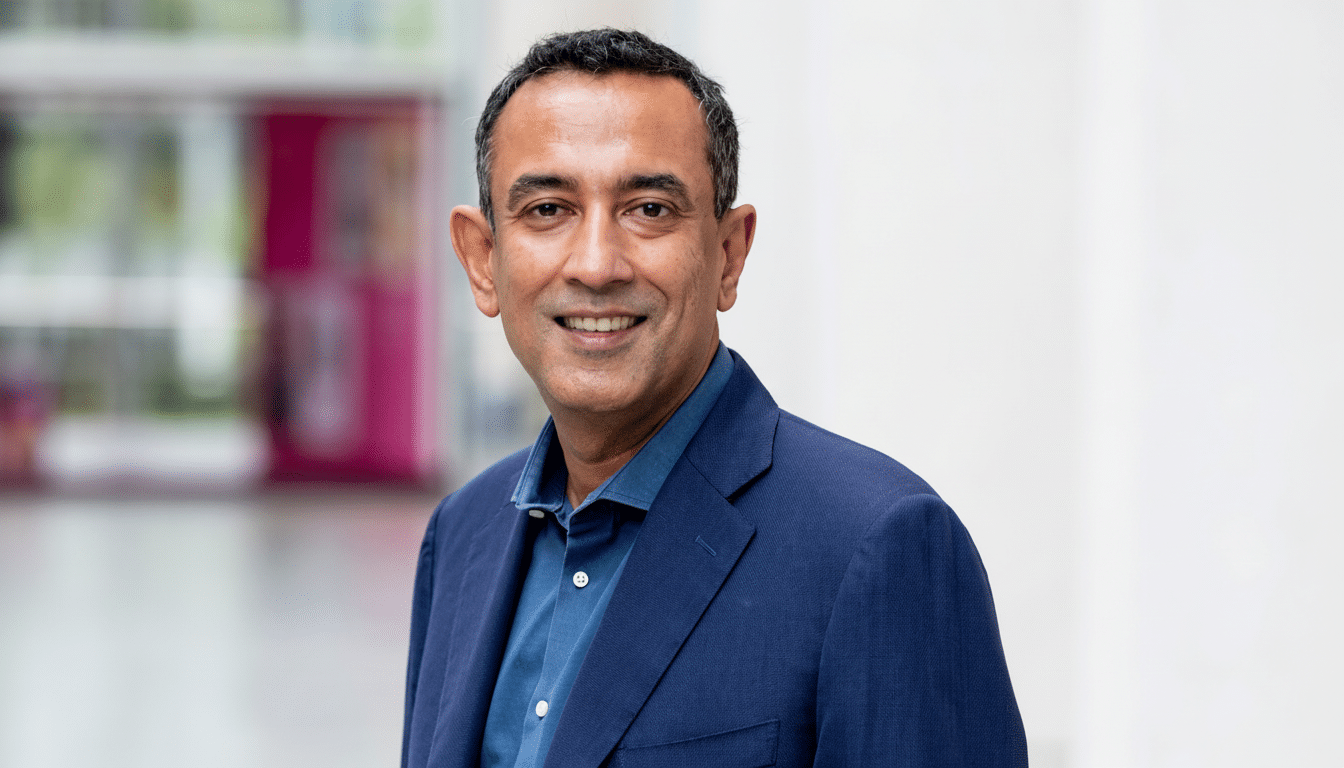
The move also further aligns the company with parent company Deutsche Telekom. This smells of traditional succession planning: Legere remade the brand, Sievert brought Sprint to heel and unified the profit model, and Gopalan is assigned the industrial-strength execution of it in the AI age.
Expect a more digital‑first T‑Mobile experience ahead
“Digital‑first” means the T-Mobile app and web will be first when it comes to upgrades, billing, troubleshooting or adding any product/service. And look forward to increasingly proactive prompts, custom offers, and self‑service flows. In reality, that may mean shorter waits for simple tasks — as well as more prodding from retailers and phone lines.
The company has already rolled out experiences into its T Life app and brought more automation to customer care. Industry analysts such as Gartner and McKinsey believe carriers will rely heavily on AI for reducing service costs, which is why T-Mobile is taking this direction; it’s a part of a larger trend you will see across the sector.
Customer service: More bots, speedier escalations
Increasingly, AI will triage your chats and calls before a human takes over — which, done right, accelerates mundane fixes and account changes. Done poorly, it’s loop‑the‑bot frustration. T-Mobile is a strong performer in J.D. Power’s wireless customer care rankings, so Gopalan’s big challenge will be scaling automation without denting satisfaction.
What to watch:
- More specific “escalate to a person” choices
- Better-defined callback windows
- Specialized human teams for complicated billing, international roaming, and business lines
With fewer stores, support from forums and social media channels should pick up the slack.
Will your bill change under a more digital‑first T‑Mobile?
Carriers rarely lower the sticker price of their services; they instead optimize what is included and who gets the best deals. Look for T-Mobile to rely on targeted promotions, credit for old phones and bundling incentives like streaming or roaming instead of more sweeping plan discounts. ARPU (average revenue per user) is still very much a sales metric for carriers, and an analytics‑minded T-Mobile will nuance offers as such.
If you are on a legacy plan, look out for messaging about migrations and benefits. Price and plan guarantees — such as T-Mobile’s offering that promises you’ll never have to commit to a plan of this type again generally (like we saw from AT&T at the launch of last year’s iPhone) are something that have changed over the years, often tied to specific plan families. The not-so-provable takeaway: Read the details on promos and lock‑in terms before switching.

Network leadership must maintain and broaden coverage
T-Mobile’s 5G spectrum, through mid‑band frequencies the company acquired as part of the Sprint merger, has been a relative bright spot. Independent tests from outfits such as Ookla and Opensignal routinely rank T-Mobile at or near the top for 5G availability and median download speeds. With Gopalan, expect further densification, more coverage in rural areas and capacity upgrades in congested ones.
Home internet is a major subplot for millions. With over 5 million subscribers to fixed wireless mentioned in company updates, T-Mobile has momentum here. There is expanded availability, new gateway hardware and more intelligent prioritization with more consideration for mobile users and home traffic during peak hours.
Retail and device upgrades could be different
As sales further migrate online, some low‑traffic stores could be consolidated or reconfigured. For device trade‑in, look for more robust app‑based diagnostics and instant credit decisions — as well as offers that are even more finely tuned to your history, device and tenure (the deal you’re seeing could be custom built just for you).
Gopalan’s data‑first playbook also overlaps with T-Mobile’s broadening portfolio of brands like Mint Mobile that came into place through its acquisition of Ka’ena.
Longer term, you could see more differentiation between premium, value and digital‑only experiences across the T‑Mobile family.
Data use and privacy issues as T‑Mobile gets more digital
A richer carrier experience comes with more behavioral, network data. T-Mobile has advertising and analytics programs with opt-out controls, and guidance on carrier data practices from regulators like the F.C.C. and the F.T.C. have become more stringent. If personalization does increase, “We may see more expansive privacy settings and additional types of permissions within the app,” Dr. Keller said.
What this transition means for T‑Mobile consumers
Do not prepare for any sort of dramatic change in identity. T-Mobile’s network dominance and aggressive promos aren’t going anywhere. The change you’d notice is in how you engage with the company: more app‑based experiences, faster automation of some simple tasks, and human experts reserved for the hard stuff.
If the equilibrium is held, you receive prompt service and you do not sacrifice support quality. If it goes too far one way or the other — in the direction of bots or aggressive shifts of plan holders around, say — there will be pushback; customers vote with their feet. For the time being, though, the smart thing to do is keep yourself informed, use the digital tools when they make sense and check that each new deal you accept represents a good fit for your line rather than just a good flip of T-Mobile’s algorithms.
