


Walk into a T-Mobile store lately and the credit card pitch might arrive before you’ve even picked a phone. That’s not an accident. Multiple employee accounts suggest the carrier has woven applications for its branded Visa into store performance metrics, prompting frontline reps to surface the offer early and often.
What Employees Say Is Changing Inside T-Mobile Stores
According to reporting based on internal sources, credit card signups now factor into a scorecard known as the Un‑Carrier Leaderboard, a tool used to rank and evaluate store performance. When a KPI becomes part of a leaderboard, behavior follows. Sales teams gamify what’s measured, and that means more proactive pitches, more scripts, and more follow-ups tied to the card.
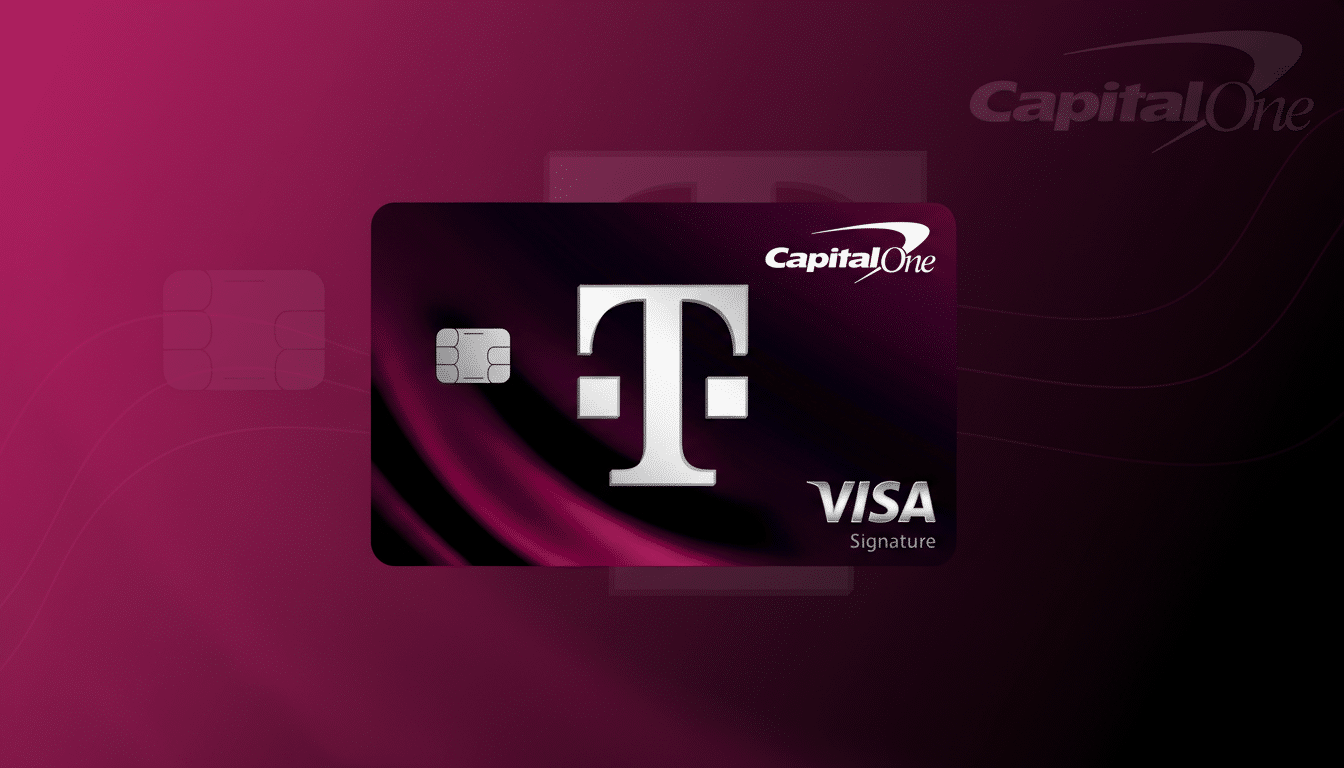
Employees also describe tiered customer flags inside T-Mobile’s systems. Some visitors are marked as priority, triggering reps to text an application link during the interaction, even if the customer hasn’t asked. Others only see a link if they inquire, and a third group might be directed to a QR code. None of this forces an application, but it significantly raises the odds the card enters the conversation fast.
Why The Card Matters To T-Mobile’s Growth Strategy
Co-branded credit cards are a proven loyalty lever. They can reduce churn by tying monthly savings or rewards to ongoing service, and they generate interchange revenue on every swipe. While banks earn most of the interest income, partners benefit from stickier customers and richer data about spending patterns, which can inform offers and retention campaigns.
The card’s practical hook is straightforward: it offers elevated rewards on carrier purchases and, crucially, is now among the only ways to keep the $5-per-line autopay discount when paying by credit instead of a debit card or bank account. For families with multiple lines, that discount compounds monthly—precisely the kind of recurring incentive that keeps accounts anchored.
There’s also a larger financial context. Bankrate estimates average credit card APRs now sit above 20%, making revolving balances expensive across the industry. Even if T-Mobile’s cardholders pay in full, the issuer still captures interchange, while T-Mobile gains higher lifetime value from accounts that stay, spend, and engage more frequently.
How The Pitch Plays Out In Stores During Visits
The playbook mirrors retail best practices: reps introduce the card as part of a device upgrade or accessory purchase, highlight the monthly bill savings and category rewards, then present a frictionless path to apply via SMS. Some stores likely pair this with internal incentives or coaching tied to leaderboard standings, nudging staff to bring it up early in the visit while customer attention is highest.
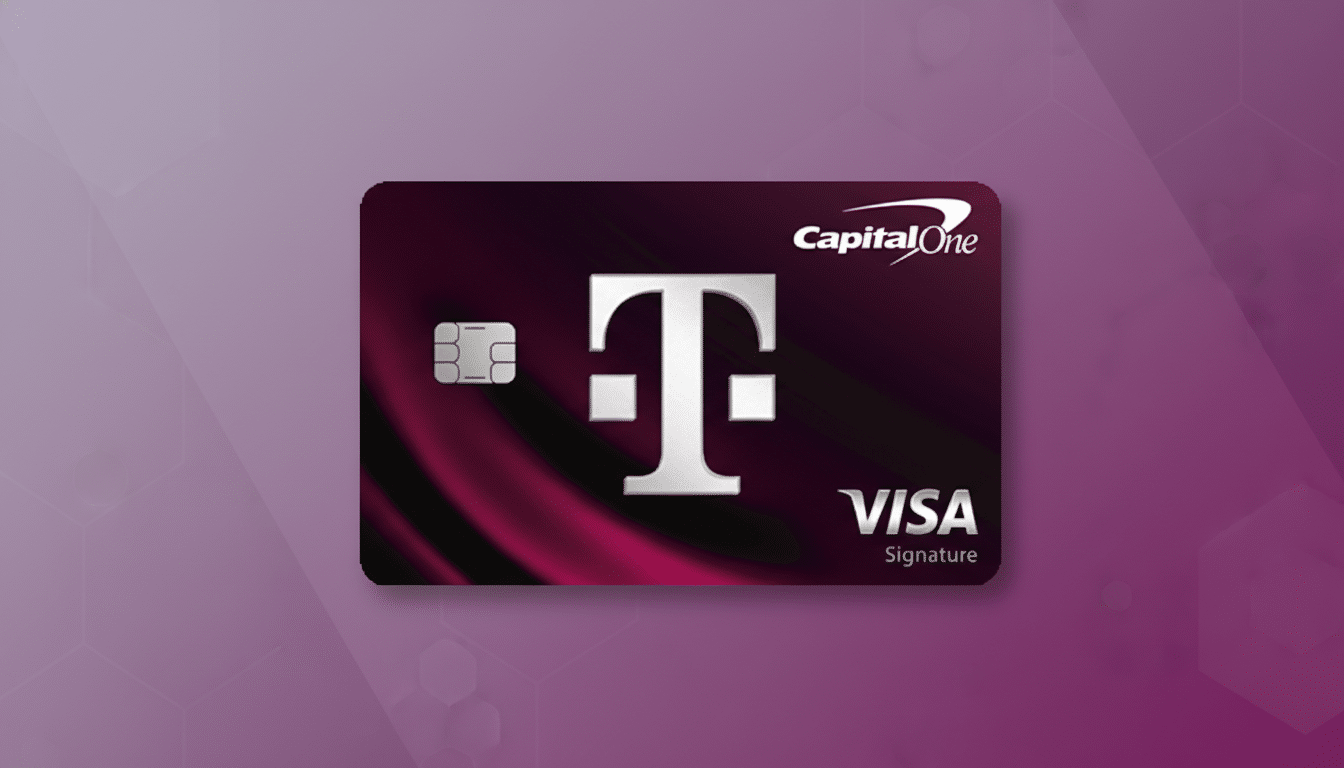
Customers retain full control—being offered a link doesn’t trigger a credit check, and nothing happens unless you complete and submit an application. Still, the perceived pressure can matter. Research from firms like J.D. Power has shown that overly aggressive upselling can dampen satisfaction if the offer feels misaligned with the customer’s purpose for visiting. The line between helpful and pushy is thin, and highly visible scorecards can blur it.
What Customers Should Watch Before Applying
If you’re interested in the card, ask pointed questions:
- the rewards structure for T-Mobile purchases vs. everyday spend
- any annual fee
- APR ranges
- how the $5-per-line autopay discount interacts with your current billing setup
The Consumer Financial Protection Bureau advises consumers to review pricing disclosures and avoid applying on impulse—especially in retail environments where time is tight.
If you’re not interested, say so upfront. Reps can note preferences and move on. And if you still want to keep the autopay discount without adding a new credit line, check which payment methods qualify on your specific plan; some customers may prefer linking a bank account instead.
The Bigger Telecom Play Behind Co-branded Cards
Wireless carriers have spent years layering financial products atop connectivity—device financing, insurance, buy-now-pay-later at checkout, and now co-branded cards. With more than 100 million accounts in the U.S. wireless market across major carriers, even modest card adoption can translate into meaningful ancillary revenue and retention gains.
That’s why the credit card conversation is arriving sooner and more often at T-Mobile counters. When scorecards reward the behavior and the business case lines up—lower churn, steady interchange, and a sticky autopay hook—the pitch writes itself. Just be ready for it when you walk in.
