


Symbolic.ai, a startup focused on assistive AI for reporting and editing, has signed an agreement with Rupert Murdoch’s News Corp to deploy its platform inside Dow Jones Newswires, the financial desk that powers alerts and market coverage for professional clients. The move shifts AI in newsrooms from pilot projects toward operational tooling built for speed, accuracy, and auditability.
News Corp’s portfolio spans titles such as The Wall Street Journal, the New York Post, and MarketWatch, but the initial rollout centers on Dow Jones Newswires, where seconds matter and sourcing discipline is non-negotiable. The deal will test whether AI can boost throughput on routine tasks while preserving the editorial standards expected by traders and subscribers.
What the Deal Covers for Dow Jones Newswires
Symbolic.ai says its platform assists journalists with research synthesis, newsletter creation, audio transcription, fact-checking, headline optimization, and SEO guidance. The company claims productivity gains of up to 90% on complex research tasks, positioning its system as a “copilot” that accelerates workflows while keeping humans in charge of publication decisions.
Founded by former eBay CEO Devin Wenig and Ars Technica co-founder Jon Stokes, Symbolic.ai emphasizes tools tailored to newsroom processes rather than generic chatbots. The pitch is that reporters get faster paths to trustworthy drafts, structured notes, and citations, plus an audit trail managers can review.
Why News Corp Is Leaning Into Licensed AI
News Corp has already embraced licensing models for AI, previously striking an agreement to allow a major model provider to use its content. Pursuing a separate partnership for newsroom tooling signals a multipartner strategy: monetize archives through licenses while adopting specialized production software inside the walls.
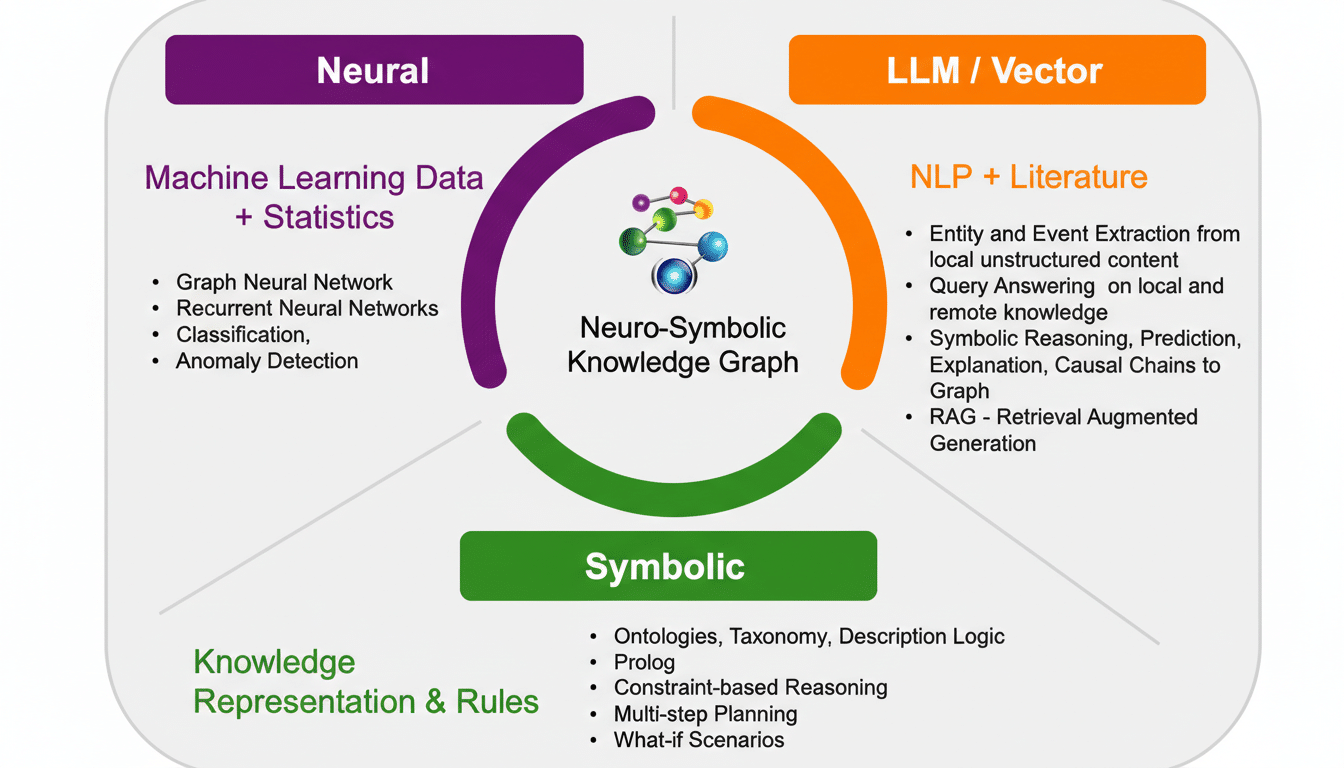
That approach contrasts with publishers that have taken legal action over unlicensed scraping; licensing offers clearer economics and control. For a compliance-heavy operation like Dow Jones Newswires, the appeal includes traceable sourcing, reproducible outputs, and the option to keep sensitive workflows and data in secure environments—areas where symbolic or hybrid AI can offer more transparent reasoning than black-box systems.
Implications for Financial Newsrooms and Wire Desks
Wire services compete on both speed and accuracy. Automation is not new here: the Associated Press used structured-data tools to scale corporate earnings coverage from hundreds to thousands of briefs, while Bloomberg and Reuters have long employed systems to summarize filings and flag anomalies. The value proposition is consistent—let machines handle the repetitive scaffolding so journalists can add analysis and accountability reporting.
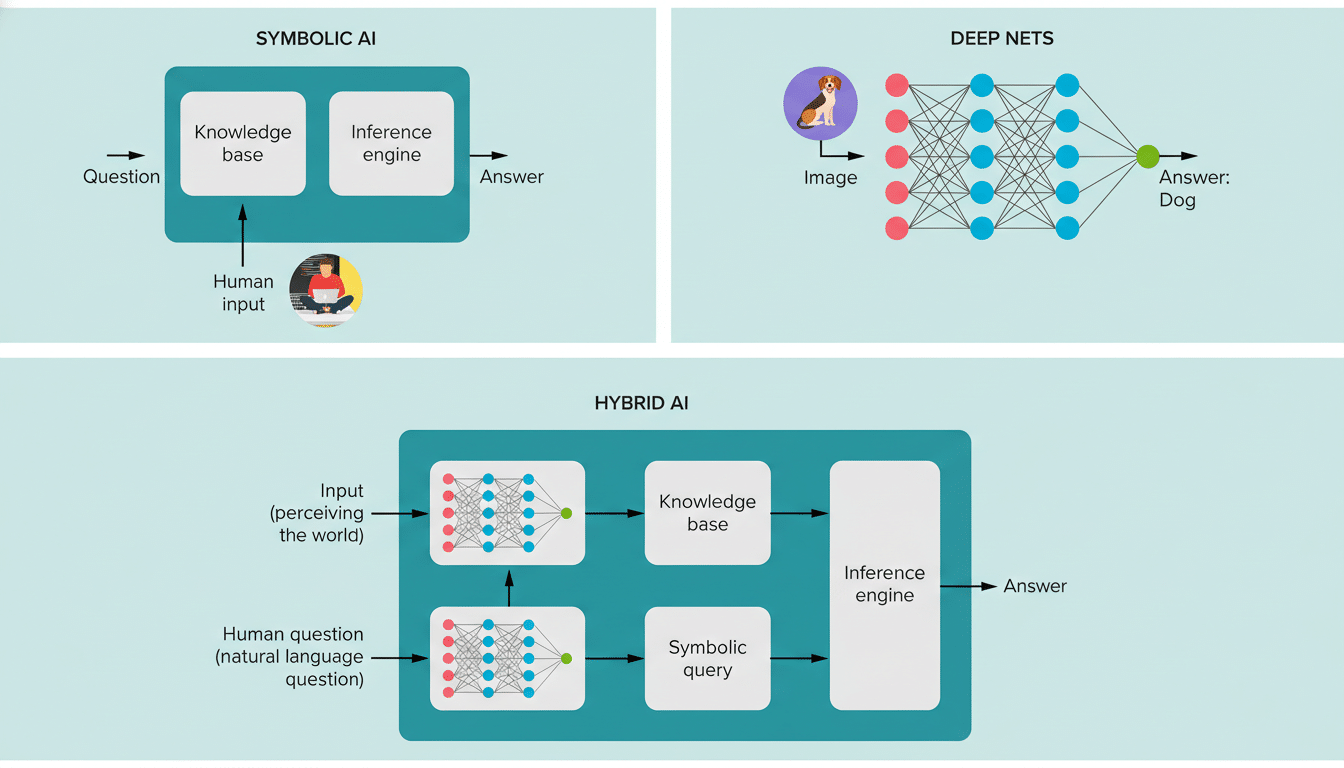
Generative models, however, can hallucinate or overconfidently state unverified claims. That risk is amplified in markets coverage, where a faulty alert can move money. Expect guardrails such as mandatory source citations, human-in-the-loop review, red-teaming for edge cases, and clear escalation paths. Success will be measured not just by speed, but by error rates, corrections, and client satisfaction among the professional audience that relies on Newswires.
Market Context and Competitive Stakes in AI
The newsroom AI stack is getting crowded. General-purpose models from firms like OpenAI and Anthropic underpin many tools, while enterprise vendors such as Adobe and Microsoft are building content and productivity layers. Publishers are also testing bespoke solutions to manage sensitive archives and embed editorial policies directly into prompts and workflows.
Industry surveys from organizations such as the Reuters Institute indicate that most editors are exploring AI for background tasks—transcription, translation, research synthesis—while keeping human bylines and accountability on the front end. At the same time, watchdogs like NewsGuard have chronicled a surge in low-quality, AI-generated sites, underscoring why reputable brands are prioritizing provenance, transparency, and robust review.
What to Watch Next as AI Tools Enter Newsrooms
Key indicators for this deployment include time-to-publish on routine updates, the share of stories touched by AI assistance, correction rates, and engagement metrics for newsletters and alerts. For a financial desk, compliance sign-off and client feedback will be equally telling.
If the system proves reliable, the model could extend to other News Corp units, from personal finance explainers to live markets blogs, and expand into deeper use cases like structured data extraction from filings or search over internal archives. For Symbolic.ai, landing a marquee customer validates its thesis and could catalyze deals across the publishing sector. For News Corp, the bar is clear: demonstrate that assistive AI can lift output and subscriber value without denting credibility—the one metric that ultimately decides whether newsroom automation is a breakthrough or a setback.
