


AI didn’t just cameo in this year’s Super Bowl commercials; it took center stage. From Svedka’s largely AI-generated spot to Anthropic’s swipe at ad-supported chatbots, brands used the most expensive minutes in television to test how far artificial intelligence can stretch storytelling, product launches, and the boundaries of taste. With 30-second placements often priced around $7 million in recent seasons, according to Ad Age and Kantar estimates, the Big Game remains the ultimate proving ground—reaching an audience that Nielsen regularly measures at well over 100 million viewers.
AI Becomes The Message In This Year’s Super Bowl Ads
Last year’s flurry of AI cameos has evolved into a full-on marketing thesis: AI is not just a tool behind the scenes, it’s the plot. That shift reflects how quickly consumer familiarity with generative tools has grown and how urgently marketers want to frame AI as either helpful, safe, or both. Research firms like Kantar and Ipsos have long noted that Super Bowl creative can supercharge awareness and search interest; this time, the lift many brands want is confidence in AI-powered experiences.
- AI Becomes The Message In This Year’s Super Bowl Ads
- Svedka Tests AI-Generated Storytelling At Scale
- Anthropic Trades Punches Over Ads In AI Assistants
- Wearables And Assistants Take The Field Onscreen
- Utility Plays Beat Gimmicks In Super Bowl Spots
- B2B Brands Play For Laughs And Efficiency
- Website Builders Push AI Creation For Small Firms
- Why This AI Wave Matters For Marketers And Media
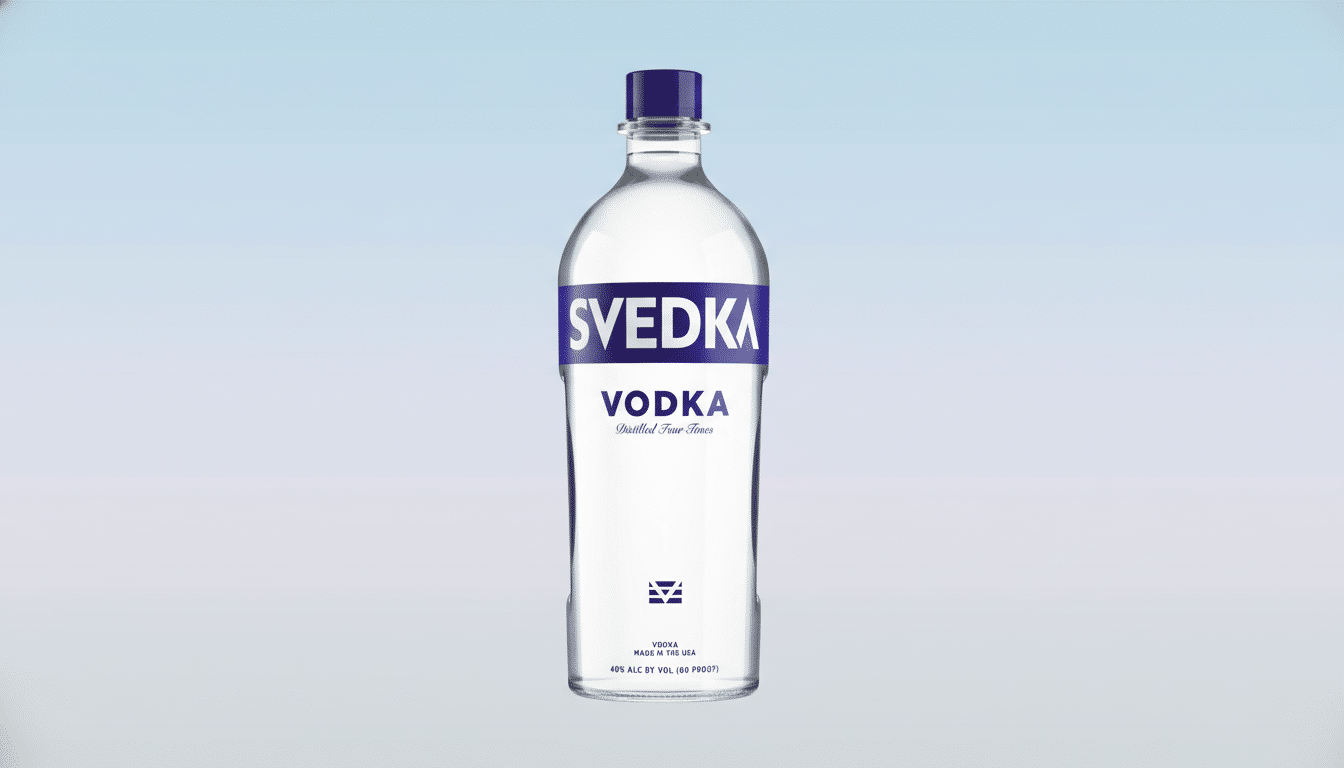
Svedka Tests AI-Generated Storytelling At Scale
Vodka label Svedka leaned into full-stack experimentation with what it billed as a primarily AI-generated national Super Bowl ad. The “Shake Your Bots Off” spot resurrects its robot mascot, Fembot, pairs her with Brobot, and drops them into a human party for a dance-fueled vignette. Svedka’s parent, Sazerac, told The Wall Street Journal the team spent months reconstructing Fembot and training models to mimic facial expressions and body movement, while humans still handled core narrative and guardrails. The company partnered with Silverside, the AI studio behind recent Coca-Cola experiments that stirred debate about synthetic creatives, as reported by Adweek.
Debuting AI-generated content on advertising’s biggest stage is a gamble. It spotlights efficiencies and visual novelty, but it also reignites concerns about creative labor displacement, IP training data, and quality control. The upside for Svedka: people are talking about the brand beyond the bottle.
Anthropic Trades Punches Over Ads In AI Assistants
Anthropic’s commercial wasn’t subtle. The Claude maker ribbed rival plans to introduce ads in conversational AI with the line, “Ads are coming to AI. But not to Claude,” lampooning the notion of assistants shilling for gimmicky products mid-prompt. The jab drew swift pushback on social media from OpenAI’s Sam Altman, who labeled the spot “clearly dishonest,” turning a product claim into a public spat about monetization, neutrality, and trust. For consumers, the takeaway was simple: if AI becomes an always-on helper, who does it work for—you or the advertiser?
Wearables And Assistants Take The Field Onscreen
Meta highlighted Oakley-branded AI glasses for athletes and thrill-seekers, featuring creators like IShowSpeed and a Spike Lee cameo. The montage showed slow-motion captures, hands-free posting to Instagram, and voice-guided moments designed to make wearables feel practical, not gimmicky. It builds on Meta’s previous Big Game push around Ray-Ban Meta glasses, signaling a bet that fashionable form factors are the gateway to mainstream AI adoption.
Amazon went darkly comic with Chris Hemsworth and Alexa+, playing off familiar fears of autonomous tech run amok. Beyond the slapstick, the spot introduced a more capable assistant—positioned as a planner, controller, and concierge—graduating from early access to broad availability in the U.S. The message: AI should be powerful and personable, but never out of your control.
Utility Plays Beat Gimmicks In Super Bowl Spots
Ring’s “Search Party” feature turned pathos into product demo, following a child hunting for her lost dog while AI matches photos and taps nearby cameras and the community network. Ring says the tool is now open to anyone, even non-owners, and is helping reunite more than one dog a day. It’s a grounded use case that reinforces AI’s value in everyday problems—no techno-futurism required.
Hims & Hers leaned into health equity, contrasting high-priced longevity pursuits with accessible care. The company has rolled out an AI “MedMatch” system to tailor treatment recommendations, particularly in mental health and wellness. It’s a reminder that the conversation around AI in healthcare is as much about reach and reliability as it is about speed.
B2B Brands Play For Laughs And Efficiency
Ramp tapped Brian Baumgartner to comedically “clone” himself with AI-powered spend management, underscoring a promise familiar to CFOs and ops leaders: automation that triages busywork so teams can focus on priorities. Rippling’s first Super Bowl outing, starring Tim Robinson, spoofed HR chaos with an alien hire and pitched unified, AI-fueled workflows that make onboarding look painless. Humor remains the B2B unlock when you have seconds to sell software.
Website Builders Push AI Creation For Small Firms
Wix showcased Wix Harmony, positioning website creation as a chat-driven collaboration with full visual control. Rival Squarespace countered with cinematic flair via Emma Stone under director Yorgos Lanthimos—less feature checklist, more brand theater. Both are betting that AI lowers the barrier to professional presence for small businesses and creators.
Why This AI Wave Matters For Marketers And Media
For marketers, this Super Bowl was a referendum on AI’s role across the stack—ideation, production, product design, and business model. Studies from Kantar, Nielsen, and the IAB consistently show the Big Game delivers unmatched reach and post-game search and social spikes; using that platform to define AI’s benefits and boundaries is a high-stakes choice.
Expect more scrutiny on disclosures, talent rights, and safety. Recent union agreements have pressed for consent and compensation when likenesses are synthesized, and consumer surveys from Deloitte point to rising concerns about bias and data use. The brands that win will turn AI from spectacle into service—clear utility, transparent policies, and creative that earns attention without eroding trust.
