


Two fresh community polls indicate that Samsung’s next phones won’t just have a rocky road right out of the gate. The early feel on the Galaxy S26 and S26 Plus has been one of measured expectations, poor reception to design, and performance potential that’s a bit cautious, all of which could complicate Samsung’s aim to keep upgrade activity moving in the premium Android tier.
The most salient takeaway is one of bluntness: a majority of those surveyed think that the smaller S26 models could lag in the next cycle even if sales are solid. And that skepticism is counterbalanced by a shrug at the design leaks making the rounds, suggesting a story where fewer people feel like they need to upgrade.
What the polls reveal about Galaxy S26 interest and design
In a widely circulated reader poll that is based on the likelihood of competitiveness, just shy of two-thirds said the Galaxy S26 and S26 Plus are not hitting the target compared to peers. Among them, 44% said “yes, for sure” and another 20% replied “probably.” A mere 23% argued that the phones are unlikely to lag or definitely won’t, and 14% said it’s too early to call.
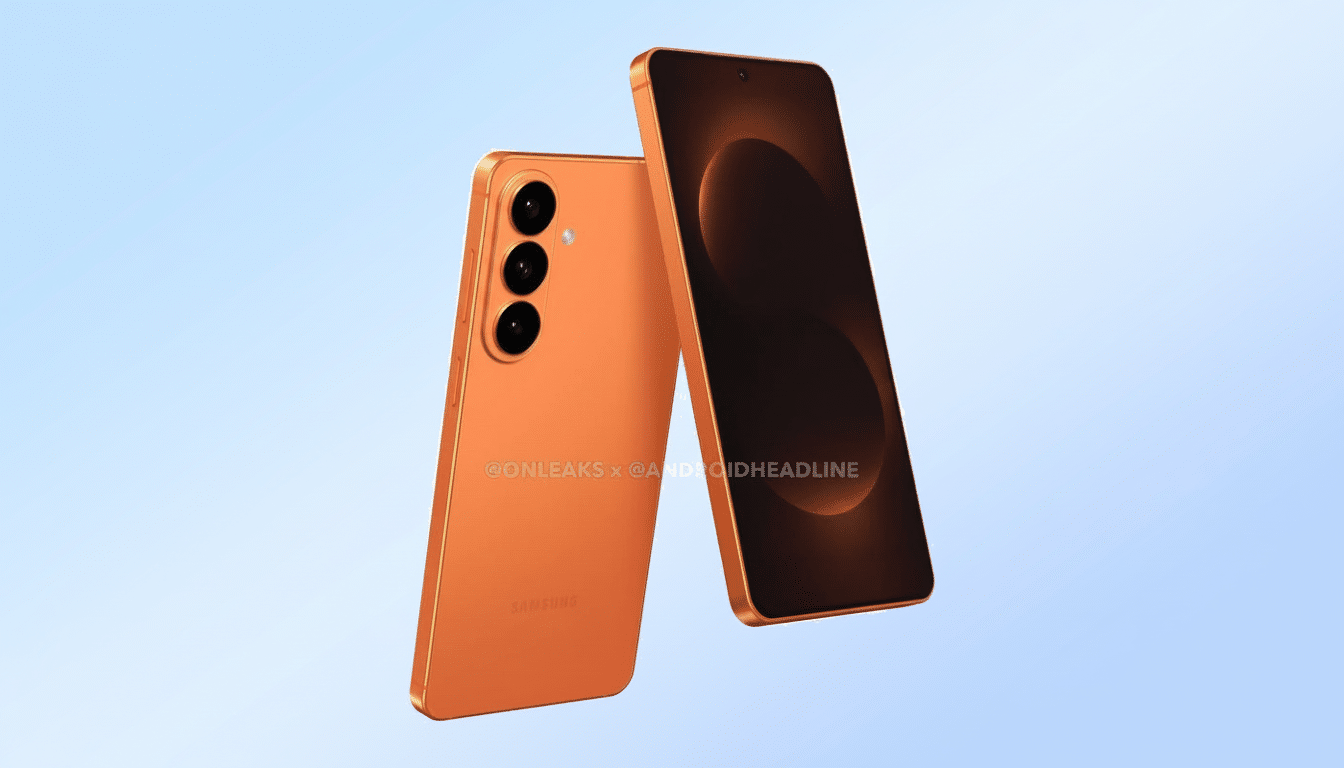
A separate survey of aesthetics was slightly more forgiving. A little more than half thought the designs look OK but could be better, 27% said they like the look, and 19% said they are not fans. Translation: the styling isn’t anything polarizing, but it’s also not igniting any fire.
Like any online poll that relies on voluntary respondents, framing is key. The performance poll is a counter to comments suggesting it’s time for Samsung’s base flagships to sit still, the sort of statement that can affect voting results. Still, the findings reflect a true mood: one of expectation weighed down by doubt.
Why enthusiasm for the standard Galaxy S26 models may be waning
Leaks thus far indicate a more restrained generational update for the S26 and S26 Plus, at least when it comes to battery size, charging speeds, and camera hardware — all areas where rivals have been bolder. Community feedback consistently singled out the Plus model for not having an obvious identity, getting a little too close to its predecessor without any standout upgrade needing consideration.
There’s also the segmentation problem. The halo features usually make it into the Ultra line, and so they can make their standard and Plus-level counterparts seem conservative. If, on the other hand, the budget versions follow core specs at the same time that competitors are touting features like faster charging, larger sensors, or longer-reach telephoto options, the impression of “playing it safe” sets in fast.
Macro forces aren’t helping. Counterpoint Research and IDC analysts have pointed to longer upgrade cycles and higher price sensitivity in developed markets. Handsets are hanging around longer, and the bar for what feels like innovation rises — marginal, iterative changes don’t typically move units in the near term.
Insights from the broader market and competitor strategies
Chinese OEMs are still running ahead on specs: 120W-ish charging and battery tech, 1-inch camera sensors, and fancy periscope lenses are all trickling down the price ladder. That makes any midcycle “small step” from a global brand look smaller still, especially when enthusiasts are cross-referencing spec sheets.
Meanwhile, talk is moving toward AI and long-term care. Samsung has long been squarely in the camp of valuing software longevity as a raw element of flagship strategy, and that’s becoming increasingly on-point thanks to broader industry shifts toward putting formal figures on long-term OS and security update commitments. What remains to be seen is how on-device AI gains — tied to silicon improvements from Qualcomm and Samsung’s own chip efforts — show up in a meaningful way across those smaller S26 models, enough for buyers who might otherwise wait another year.
Market share is still fiercely contested in the premium tier. IDC and Counterpoint have also observed intense competition at the high end, where small gaps in differentiation can translate into exaggerated perception swings. If the narrative that congeals is “safe but unexciting,” competitors with bigger mouths about hardware leaps will have already grabbed our theoretical attention even before these things hit store shelves, or worse — they’ll have captured the real thing.
What may turn it around for Galaxy S26 and S26 Plus buyers
There are obvious ways in which Samsung could freshen up the standard S line. A real camera upgrade — bigger primary sensor, refined telephoto — would touch on a top buying driver. By pushing charging speeds past today’s ceiling and squeezing in a little more battery headroom, such a possibility might quiet long-running nuisances without sacrificing the life span of our devices.
On the software side, real on-device AI that makes photos better, voice features more powerful, and day-to-day tasks easier (without a dependency on the cloud) would lend tangible improvements users notice immediately. Combine that with really aggressive trade-in values and sensible storage tiers, and you have what could become a better value story, especially for the Plus model.
Importantly, the base and Plus versions require hooks that aren’t just a nod to the Ultra. Unique colorways, materials, or a killer feature — whether it’s camera tuning, charging, or display tech — can give consumers something to care about beyond price.
The greater risk is complacency among premium Android buyers
The surveys don’t portend doom; they indicate something subtler and more pernicious in the flagship sector — indifference. If the S26 story is about “good enough” — something you never need to replace with a better model — fewer people may feel pressure to upgrade, and that feeling can multiply across cycles.
For Samsung, the goal is simple: land one or two clear wins on the core models, then repeat that story as often and loudly as possible. The field is crowded, the audience informed, and there is only a fleeting window to change minds before liftoff.
