


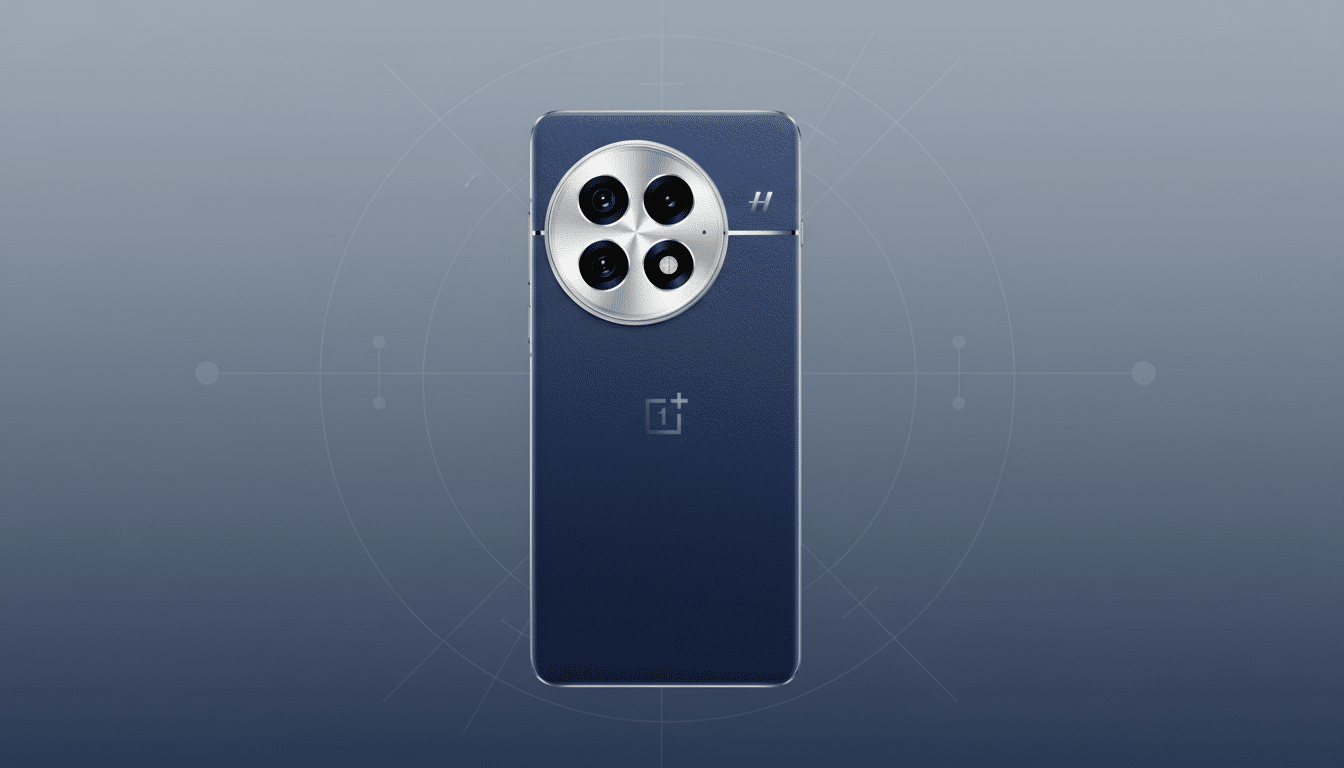
The votes have been counted and we now know your choice of alternative to the OnePlus 15, and it wasn’t the landslide I expected. The OnePlus 13 took the stage in first with about 30% of the vote, narrowly fending off a strong play by Samsung’s Galaxy S25 Ultra toward second place at 23.4%, and Google’s Pixel 10 Pro at third with 18.6%. The findings speak to a broader market where value, software longevity and standout features may outweigh the appeal of the latest badge.
A Familiar Face Tops the List as the Voters’ No. 1 Pick
Top of the voters’ list is the OnePlus 13, which sends a message that many shoppers might reconsider from an economic or value standpoint whether to buy a newish OnePlus 15 instead. The takeaway is simple: incremental upgrades don’t always offer enough even via a higher price point – particularly when the prior-gen flagship already gets the basics right. The 13’s mix of rapid performance, dependable battery life and a wallet-friendly price tag has positioned it as the default recommendation for anyone looking to bring home a tried-and-true daily driver without having to pay too much of an upcharge.

It’s also a tribute to what makes OnePlus great. The company’s recent flagships have made a name for themselves for smooth software, rapid charging and reliably speedy performance. When the equation is value per dollar, voters indicate that the 13 still does the math better than its successor.
Samsung and Google Keep the Pressure On With Rivals
Coming in a close second was the Galaxy S25 Ultra at 23.4% interest, according to those surveyed. That makes sense: people in the market for a maximalist phone often land on Samsung’s Ultra. The S Pen is still a one-of-a-kind productivity tool in the Android world, the camera system has you covered from multiple focal lengths and Samsung’s policy to update recent flagships for seven years shows that this phone should age well. This is the natural pivot away from OnePlus for power users and note takers.
Google’s Pixel 10 Pro (18.6% share) has seen a boost from its clean software, timely updates and ongoing feature add-ons in the form of Pixel Drops. Now, both Google and Samsung are pledging up to seven years of updates on current-generation lines, a major purchase incentive in the premium tier. Toss in Google’s AI-forward camera processing and quality-of-life attributes and it is not hard to see why so many voters had the Pixel on their shortlist.
Wildcard Picks Highlight What Buyers Value
The Nothing Phone 3 had a 13 percent share of the vote, which was impressive for a design-focused brand. After all, transparent hardware that focuses on functionality with glanceable alerts via the Glyph interface could make it a viable alternative for minimalists who are looking to rid themselves of wall-to-wall bloat but don’t want the lag of anything less than flagship-class speed.
Meanwhile, the Motorola Razr Ultra garnered 11.2%, showing that foldables aren’t just fringe interests anymore. But other voters who were willing to pay a premium also cited its small footprint when folded, a more useful outer display and better durability. It’s not going to be the cheapest way into a flagship phone, but if you want an absolute form factor innovation then this makes one compelling argument.
Niche Alternatives Earn Respect Among Enthusiasts
Approximately 5.4% of respondents responded with their own choices, often referencing camera-centric flagships like the vivo X300 Pro and OPPO Find X9 Pro, as well as rugged workhorses like the Unihertz Tank 3 Pro.
Both the vivo and OPPO variants come with large primary sensors, advanced periscope zooms, and expert-tuned imaging pipelines — perfect for buyers who think that the OnePlus 15’s camera package didn’t go the extra mile. The Tank 3 Pro, meanwhile, is unapologetically about battery life at the expense of style in a bid for days-long endurance.
What the Results Mean for the OnePlus 15’s Prospects
The slim margins reveal a story: the OnePlus 15 lives in a highly competitive field where “good” simply isn’t good enough all of the time. Like never before, shoppers are thinking about long-term software support, unique hardware features and total cost of ownership. Extended update timeliness and unique experiences — like the S Pen or Google’s Pixel Drops, industry trackers have noted — can sway premium buyers as much as raw specs.
If getting the most bang for your buck is a top priority, voters say you should play it safe with OnePlus 13. If productivity and flexibility are your priorities, the Galaxy S25 Ultra is the clear pivot. If AI-enhanced photography and up-to-the-minute updates rank highest on your list, the Pixel 10 Pro takes first. For design flair, the Nothing Phone 3 gives you a fresh look at Android; if you simply want a big foldable that fits in your pocket, though, the Razr Ultra is still the crowd-pleaser. For camera obsessives and battery diehards, there are strong arguments to be made for at least one of the write-ins.
The takeaway should be reassuring for buyers: There is no single “right” answer. What’s the best OnePlus 15 alternative, you ask? It all comes down to what your priorities are at that given moment, and this study shows there are several very strong contenders with OnePlus closely behind them.
