


Norwegian biathlete Sturla Holm Lægreid turned a career high into a personal crisis after admitting on live television that he cheated on his former partner. The confession, aired shortly after he won an individual Olympic medal, ignited a swift public backlash and a broader debate: public apologies for private betrayals rarely help the person who was hurt, and they often make everything worse.
What Happened on Air: The On-Camera Confession
Speaking to Norwegian broadcaster NRK after the 20-kilometre individual biathlon, Lægreid pivoted from sport to his personal life, revealing he had been unfaithful and had told his now ex a week earlier. He framed the on-air confession as a plea for forgiveness. In subsequent interviews with Norwegian newspaper VG, he said laying everything out publicly was, in his view, the only path to repair.
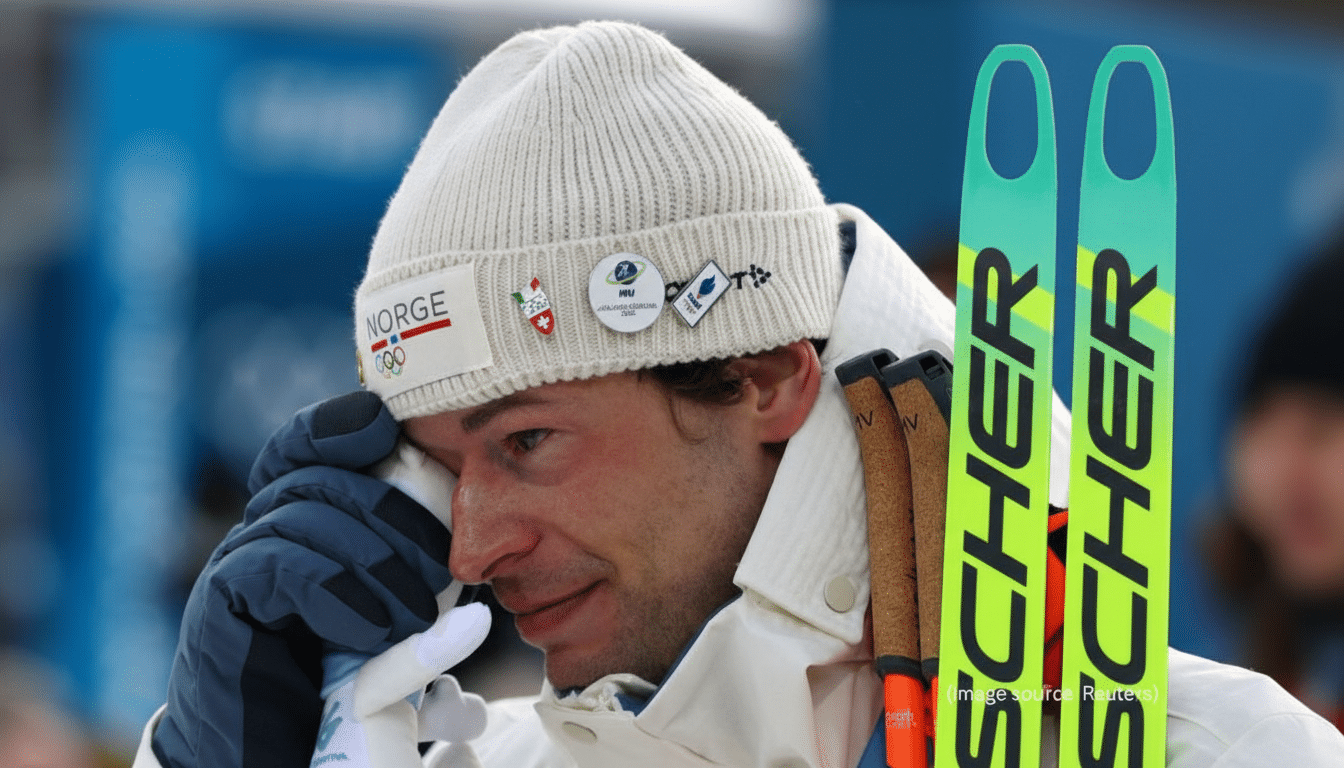
Social media reaction was immediate and unsympathetic. BBC Sport’s Instagram post carrying his follow-up remarks drew thousands of likes on comments accusing him of turning remorse into a spectacle. As the story spread, VG reported his former partner wished to remain anonymous and did not seek publicity, later publishing a statement from her expressing pain and emphasizing she did not choose to be thrust into the spotlight.
By the end of the news cycle, Lægreid issued a statement of regret for raising the matter publicly and for diverting attention from his teammate’s gold — a tacit acknowledgment that the televised confessional created collateral damage he could not control.
Why Public Apologies for Private Betrayals Backfire
Apologizing is not the same as repairing. Research from Ohio State University on effective apologies highlights core elements that rebuild trust: clear responsibility, an offer to make amends, and a request for forgiveness delivered with respect for the other person’s boundaries. Televised mea culpas undermine those conditions by shifting the audience from one to millions and by introducing optics — and pressure — into what should be a consent-based conversation.
Public apologies in intimate matters also risk being read as reputation management. Crisis-communication scholars such as W. Timothy Coombs note that when a response appears designed to influence external stakeholders rather than directly address the harmed party, audiences judge sincerity more harshly. That skepticism has only grown in an era of “apology videos” and Notes-app statements; the Edelman Trust Barometer has repeatedly found that people are increasingly wary of celebrity messaging.
There’s a psychological kicker, too. Broadcasting a plea for forgiveness can trigger reactance — the human tendency to resist when we feel our choices are being constrained. By declaring hopes for a “happy ending” on camera, the speaker inadvertently boxes the other person into a public narrative, inviting outsiders to weigh in and narrowing the space for a private, pressure-free decision.
The Collateral Damage to the Partner After Going Public
Turning a private rupture into a global storyline exposes the wronged partner to scrutiny, speculation, and sometimes harassment. Pew Research Center has found that online harassment is widespread, and women are disproportionately targeted with certain forms of abuse. Even without direct naming, the internet’s sleuthing culture can quickly identify and swarm private individuals.
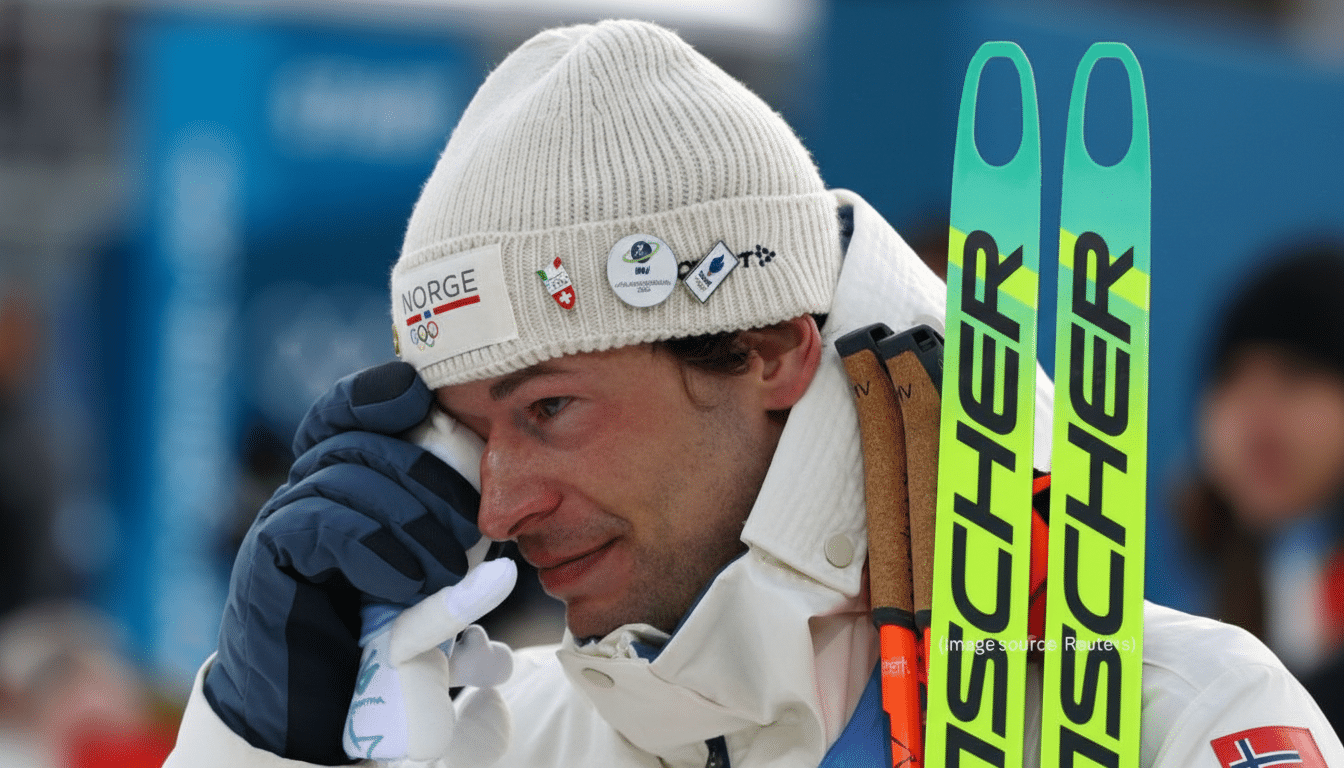
That dynamic creates a lose-lose. If the partner forgives, she risks being labeled naïve. If she does not, she can be framed as vindictive. Either route invites unsolicited judgment, prolonging distress and complicating recovery. VG’s reporting that Lægreid’s ex wished to remain anonymous underscores a key point: consent is not just for relationships; it’s for narratives, too.
Sports PR Lessons Beyond the Podium and the Medal Moment
For athletes, the consequences extend beyond the personal. Public confessions like this hijack the competitive storyline, overshadow teammates, and distract from performance. Sponsors and federations recognize that parasocial controversies can erode audience goodwill; even absent a formal scandal, brand risk rises when an athlete’s off-field actions dominate headlines.
The better playbook, drawn from crisis communication and player-care programs across elite sport, is simple: keep personal restitution private; avoid creating fresh victims; and separate competitive achievements from relationship disputes. Teams can help by offering media coaching that draws bright lines around off-limits topics during high-emotion moments.
A Better Way to Make Amends Without Causing More Harm
Accountability starts with the harmed person’s needs, not the speaker’s catharsis. Evidence-based steps include acknowledging the breach without excuses, articulating specific steps to repair (from counseling to concrete boundaries), and accepting that forgiveness may never come. Crucially, delivery matters: a private message, routed through mutually acceptable channels, preserves dignity and reduces pressure.
Time is part of the remedy. Trust rarely rebounds on a broadcast schedule, and attempts to accelerate reconciliation in front of cameras risk compounding the hurt. If contact is unwelcome, respect the silence. Remorse is proved by changed behavior, not by a viral soundbite.
Lægreid’s medal moment should have been uncomplicated. Instead, it became a case study in how public contrition for private harm can boomerang. The lesson for athletes — and anyone with a platform — is clear: make amends in private, protect the person you hurt, and let the sport speak for itself.
