


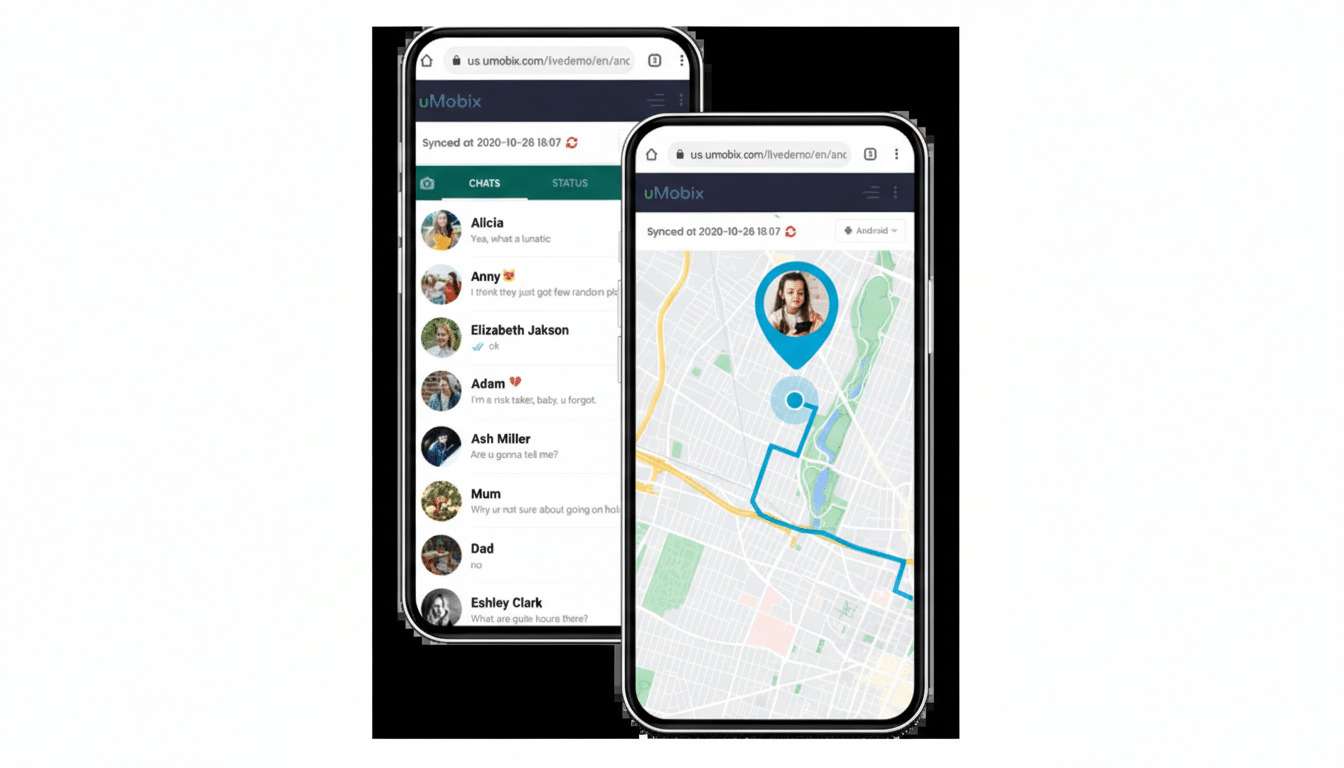
Stalkerware apps promise secret access to someone else’s phone. What they reliably deliver is collateral damage. In the latest breach, payment details tied to more than 500,000 customers of uMobix and related brands were dumped online, adding to a yearslong cascade of leaks that have exposed messages, photos, GPS trails, and device activity from unsuspecting victims worldwide.
This is not a one-off. Security researchers and digital rights groups have tracked dozens of stalkerware operations that were hacked, misconfigured, or otherwise spilled sensitive data. Some were compromised repeatedly. Each incident effectively re-victimizes the people being surveilled, turning intimate records into loot for criminals and voyeurs.

Experts who study tech-enabled abuse say the takeaway is blunt: never install stalkerware. Beyond the ethical and legal minefield, the industry’s track record shows it cannot protect the data it hoards.
A Pattern of Breaches, Not Isolated Outliers
The breach history is long and well documented. Hacktivists first cracked open two high-profile spyware brands in 2017, revealing a combined 130,000 customers and demonstrating how fragile these services were. One of those companies, Retina-X, was hacked twice before shutting down. The other, FlexiSpy, trudged on under a cloud.
Since then, the hits have kept coming. mSpy leaked millions of customer support records in an earlier incident; Spytech exposed logs from phones and computers it tracked; and Catwatchful spilled data tied to at least 26,000 victims. LetMeSpy shut down after a destructive intrusion. TheTruthSpy has been breached or leaked data multiple times. WebDetetive had servers wiped and was later hit again. Even when servers weren’t hacked, sloppy setups left the door open: several operations, including Cocospy, Spyic, and Spyzie, left databases or storage buckets accessible on the open internet.
Security researchers have repeatedly shown the same flaws across brands: hardcoded credentials, keys left in app code, shared back-end infrastructure, and tenant-isolation failures that let any customer peer into another victim’s data. In some cases, a single bug exposed years of text messages, images, call logs, and location histories from tens of thousands of devices.
Why Stalkerware Is A Security Dumpster Fire
Stalkerware’s business model is at odds with modern security. These apps require invasive device privileges, sideloaded installers, or configuration profiles that weaken built-in protections on iOS and Android. They funnel everything—communications, keystrokes, photos—into centralized dashboards that become irresistible targets.
The industry is also saturated with white-label clones. One vendor’s vulnerable code can power multiple brands, amplifying the blast radius of a single flaw. Investigations have found reused panels, shared hosting, and recycled components across supposedly distinct companies. When an app is forced offline, the same operators often reappear under a new name, dragging old vulnerabilities into fresh wrappers.
As the Electronic Frontier Foundation has warned, these companies are “soft targets”: they collect highly sensitive data yet skimp on basic safeguards, from encryption at rest to multifactor authentication for admin tools. Breach disclosures are rare, incident response is ad hoc, and victims—who never consented to tracking—receive no notice or help.
Legal and Ethical Risks Around Stalkerware Keep Rising
Secretly monitoring another adult’s device is illegal in many jurisdictions, potentially violating wiretapping and computer misuse laws. U.S. regulators have begun to act: the Federal Trade Commission banned the company behind SpyFone from offering surveillance apps and ordered data deletion, and New York’s attorney general forced the operators of Highster and PhoneSpector to cease sales after alleging they promoted illegal spying.
Domestic violence advocates consistently report that digital stalking heightens the risk of real-world harm. The Coalition Against Stalkerware and frontline shelters describe a pattern: abusers use phone surveillance to control movement, isolate victims, and escalate threats. The security failures of these apps don’t just leak data—they can endanger lives.
Safer Alternatives And What To Do If Targeted
Parents seeking oversight should avoid covert spyware entirely. Use transparent, platform-built tools that require consent and display persistent notifications, such as Apple’s Screen Time with Family Sharing or Google’s Family Link. These features are designed with clearer safeguards, audited permissions, and the option for teens to see what’s enabled.
If you fear your phone has been compromised, prioritize safety planning before touching the device. Contact a trusted advocate from a safe phone, such as the National Domestic Violence Hotline, which provides confidential guidance. Organizations like the Coalition Against Stalkerware and the Electronic Frontier Foundation publish resources on recognizing red flags and documenting abuse for legal support.
For general hygiene—when it is safe to do so—update your operating system, review installed apps and device administrator settings, check for unfamiliar profiles or accessibility permissions, and enable account security features like multifactor authentication. Consider a professional forensic review through a victim service organization if you’re at risk.
The Bigger Picture of Tech-Enabled Abuse and Surveillance
Security firm Malwarebytes reported a drop in stalkerware detections in recent years, but researchers caution that abusers may be shifting tactics to physical trackers and other covert tools. The problem is broader than any one app: it’s an ecosystem of products that turn intimate relationships into a surveillance surface.
The verdict is clear. Stalkerware is unsafe for everyone involved—the user, the target, and bystanders whose data gets swept up. The breach history shows a systemic inability to safeguard sensitive information. Choose transparency and consent-based tools, and reject software built on secrecy, exploitation, and inevitable leaks.
