


Spotify is overhauling access to its Developer Mode, tightening the rules for anyone building and testing third-party apps on its platform. The company now requires a Premium subscription for Developer Mode, is cutting the number of test users from 25 to 5—an 80% reduction—and is limiting what data developers can access while prototyping. The move underscores a broader industry shift toward stricter API controls and paywalls in response to automation, AI scraping, and abuse.
What Changed in Developer Mode and Access Requirements
Developer Mode was introduced as a sandbox for experimentation, letting builders validate ideas with a small cohort of users before applying for broader access. That sandbox just got smaller. Each app can now designate only five testers, and the account managing the app must be on a paid Premium plan. Teams that need more users or broader functionality will have to request an extended quota and pass a stricter review.
- What Changed in Developer Mode and Access Requirements
- Why Spotify Is Tightening Access and Gating Developer Mode
- Impact on Indie Builders and Startups Prototyping Apps
- What Developers Lose and Possible Workarounds
- How This Compares to Other Platforms’ Recent API Moves
- The Bottom Line for Spotify’s Developer Ecosystem
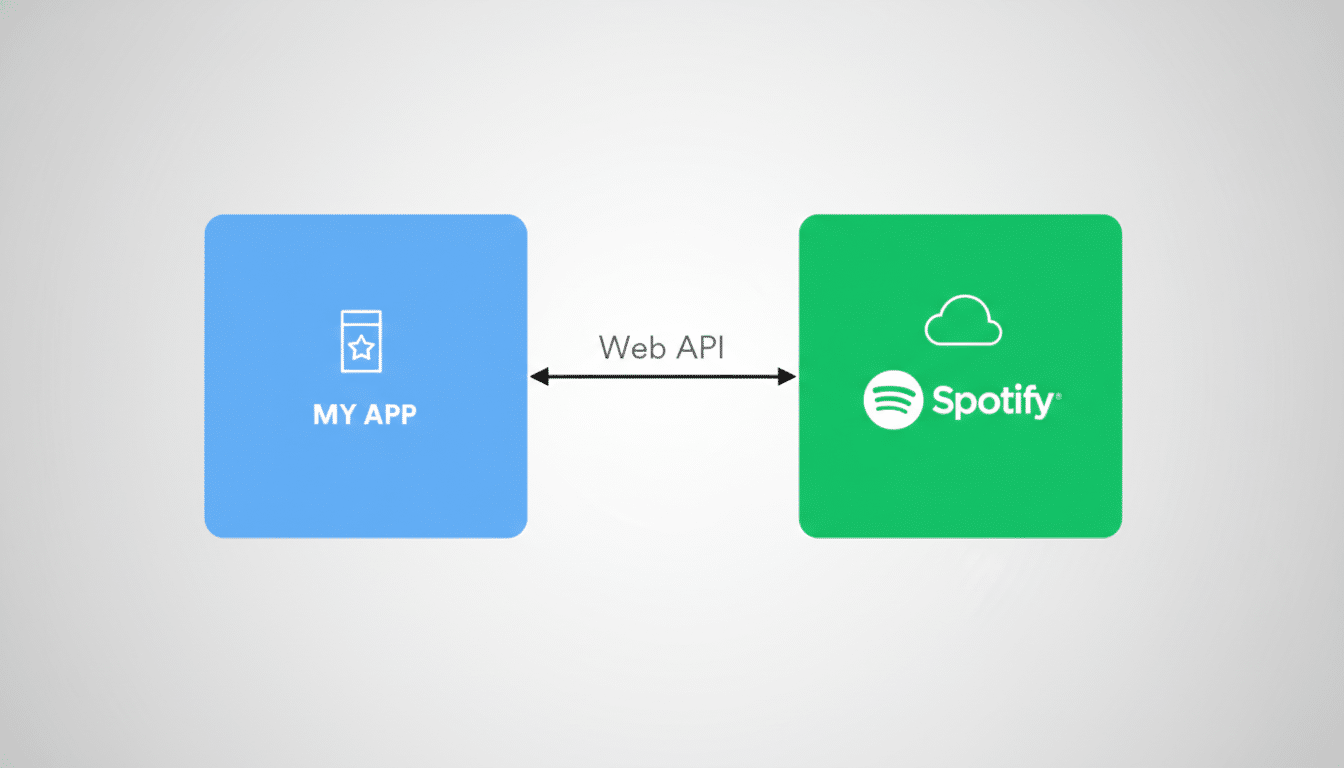
Several API endpoints are being deprecated in this mode, including calls that fetch new album releases, an artist’s top tracks, and the list of markets where a track is available. Bulk metadata requests are off the table, and apps can no longer retrieve other users’ profile details, album label information, artist follower counts, or artist popularity. This narrows the range of prototypes that can be built without elevated access.
Why Spotify Is Tightening Access and Gating Developer Mode
Spotify says rapid advances in automation and AI have changed how its APIs are used and the risks they pose. At the company’s scale, even small abuse patterns can create outsized load and privacy concerns. By gating Developer Mode behind a paid plan and trimming capabilities, Spotify aims to deter automated scraping and discourage using the sandbox as a backdoor to production use.
The company has repeatedly signaled that Developer Mode is intended for learning and personal projects—not as a foundation for commercial services. That posture aligns with earlier policy shifts: in prior changes, Spotify restricted access to endpoints that exposed listening patterns and audio features and raised the bar for extended quotas with more rigorous eligibility requirements.
Impact on Indie Builders and Startups Prototyping Apps
The immediate effect is tighter prototyping constraints. A playlist-curation app that once needed a dozen testers across platforms now must operate with five, which complicates QA across devices, regions, and account types. Requiring a Premium subscription adds a recurring cost for hobbyists and student projects, especially in markets where pricing is higher relative to local incomes.
For teams that want to scale, the path runs through extended access—and that bar has risen. In a previous update, Spotify required applicants to be a legally registered business with an active, launched service, availability in key markets, and at least 250,000 monthly active users. Combined with the new Developer Mode limits, the message is clear: experimentation is welcome, but production-grade consumer apps must meet enterprise-like criteria.
What Developers Lose and Possible Workarounds
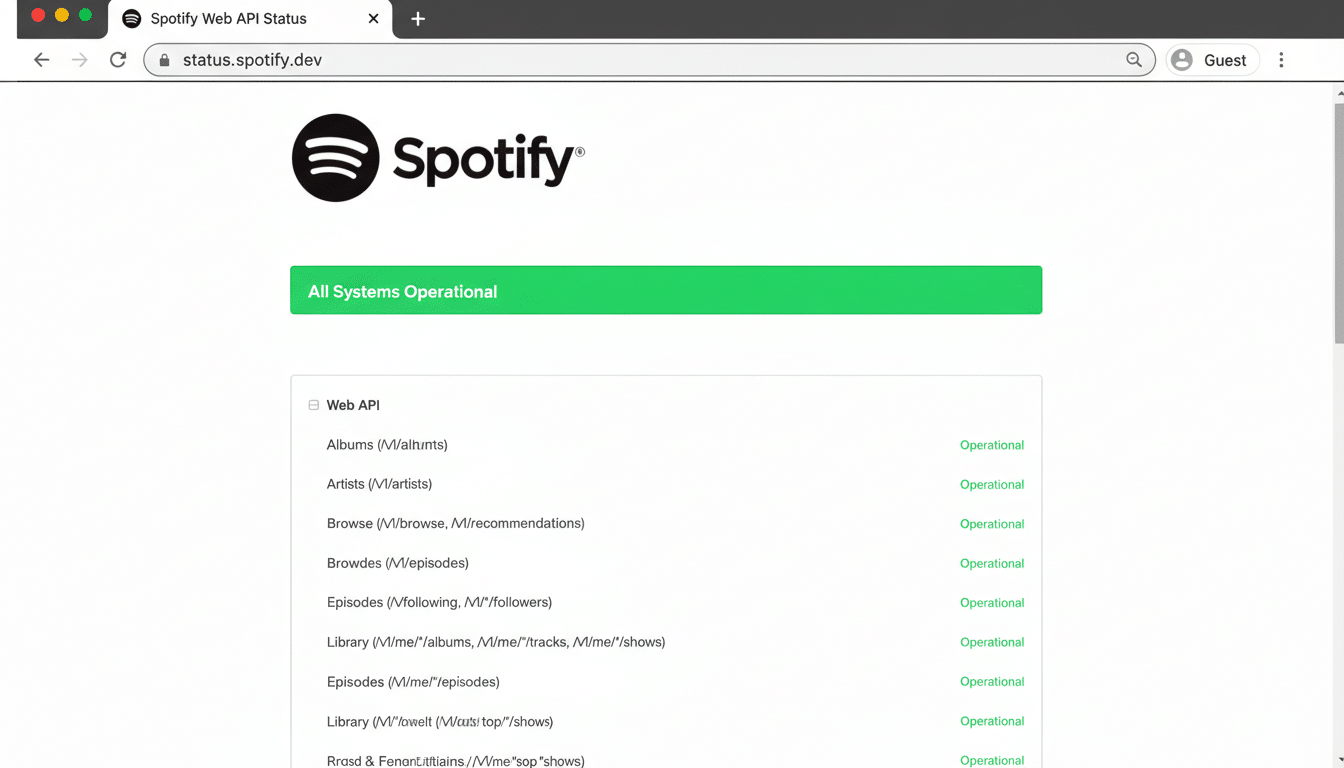
Deprecated endpoints remove several popular building blocks: surfacing an artist’s top tracks for discovery, monitoring new releases for personalized alerts, checking track availability by market, scraping label metadata for catalog analysis, or estimating demand via follower counts and artist popularity. Bulk metadata calls—useful for catalog syncing and analytics—are also out.
Short term, developers can refactor prototypes to rely on user-local data, cache efficiently to reduce calls, or focus on features that don’t depend on restricted endpoints. Teams pursuing public launches should assemble compliance documentation early, minimize requested scopes, and apply for extended quotas with a clear product rationale. Expect longer review cycles and plan roadmaps accordingly.
How This Compares to Other Platforms’ Recent API Moves
Spotify’s tightening is part of a broader rebalancing across platforms. X placed key API tiers behind paid plans, Reddit introduced usage-based pricing that reshaped third-party clients, and YouTube’s Data API has ratcheted quotas for heavy-use categories. Apple’s developer ecosystem also requires a paid account for production services. The pattern is consistent: platforms are trading open-ended experimentation for guardrails, revenue alignment, and risk mitigation.
The Bottom Line for Spotify’s Developer Ecosystem
For Spotify, the policy is a bet that curated access will reduce abuse and support higher-quality integrations. For independent developers, the calculus changes: fewer testers, less data, more paperwork, and the need to budget for a paid plan earlier in the journey. Organizations that can clear the thresholds may face more predictable review processes, but grassroots innovation—historically a source of fresh ideas around discovery, personalization, and analytics—will likely slow in the sandbox.
Developers should review the latest Spotify Developer Blog guidance, audit their apps for deprecated calls, and scope prototypes to what the new sandbox allows. If their roadmap depends on restricted features, they’ll need to justify extended access with a concrete use case, privacy safeguards, and a clear plan to operate at scale.
