


Did your Spotify Wrapped feel a little muddled this year? You’re not alone. In the wake of users wondering why their Top Songs, Artists, or Albums don’t match up, Spotify has published a plain-English explanation for how each ranking is generated. The short version: Wrapped groups together different metrics for different “data stories,” and that’s a deliberate choice that can seem counterintuitive at first glance when you see your results rendered.
What Qualifies as a Stream in Spotify Wrapped
For Top Songs, Spotify registers a “listen” after the track has been played for 30 seconds or more. Quick skips don’t contribute to a song’s climb up your list, and repeating a hook for 10 seconds on an endless loop won’t count. Crucially, track length is irrelevant when it comes to song ranking: a two-minute pop interlude carries just as much weight as a ten-minute epic once both have crossed the 30-second threshold.
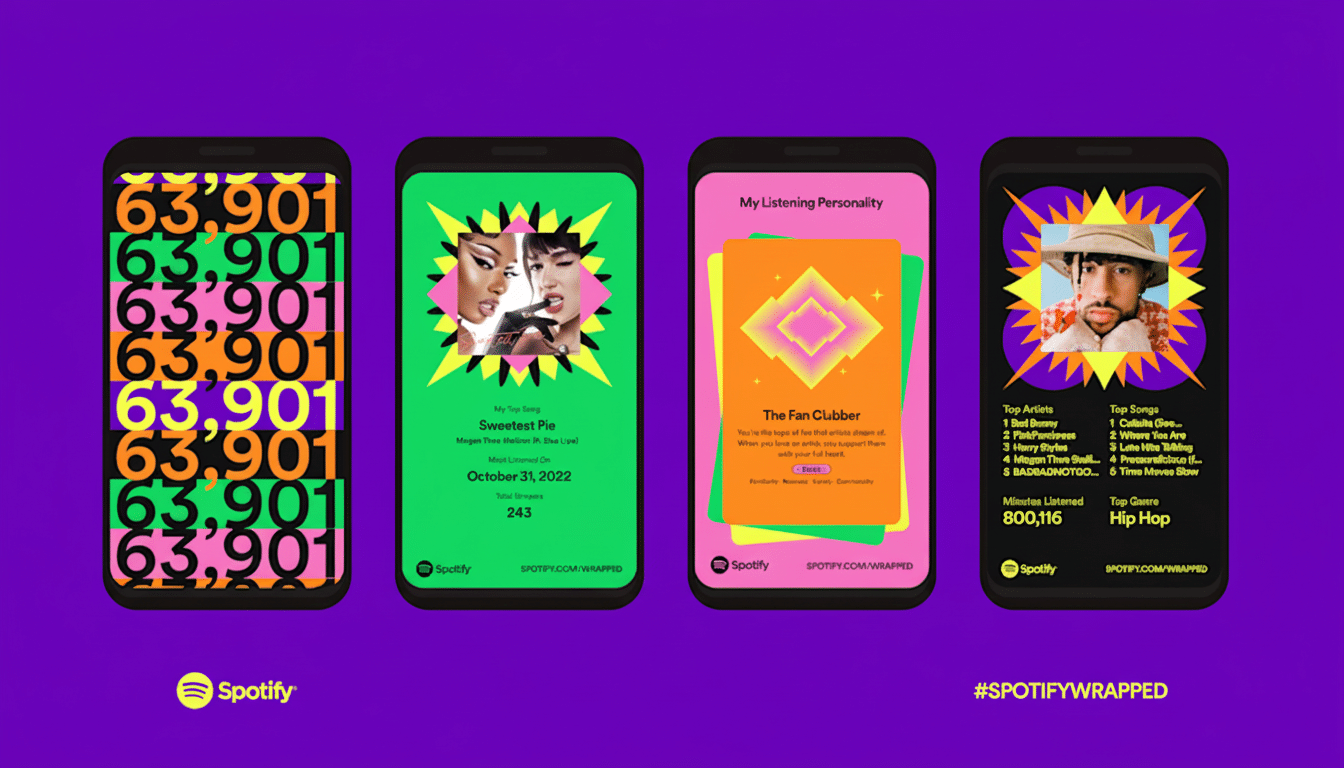
That design decision is a reflection of how people really stream. Short tracks have skyrocketed in popularity as playlists and social discovery shrink attention spans, but a basic play threshold prevents Wrapped from overly rewarding ultra-short songs. It also means that if you skimmed through many long albums but rarely listened to an individual track past the intro, those songs won’t appear in your Top Songs.
Why Your Most Streamed Artist May Surprise You
Top Artists are not simply ranked by raw play count. Spotify uses a weighted stream count that prizes the breadth and consistency of listening rather than a single runaway hit. After all, an artist you played across countless tracks over the course of a year can outshine the act behind your #1 song if most of that second artist’s time in your listening rotation was with one or two tracks.
Example: Assuming you looped a blockbuster single from Artist B 150 times but spent the year sampling 40 different tracks from Artist A for a total of 180 plays over many days, a weighted average can push Artist A into your top spot. A single viral moment doesn’t necessarily describe the breadth of your relationship with an artist’s catalog.
How Albums Are Ranked in Spotify Wrapped
Album methodology is different again. Spotify counts an album listen when you stream most of its tracks, whether from the album’s page or from playlists. Then it takes into account total streams and how evenly you spread your listening across the record. Albums you lived with all the way through are more likely to rise than compilations you mainly just returned to for those two singles.
(This is why a favorite LP might show up above a playlist-dominant release crammed with charting songs: Wrapped is programmed to showcase albums that “truly resonated,” not just those that did the most work on playlists.)
Minutes Listened Versus Streams in Spotify Wrapped
Another oddity is the tension between total plays and minutes listened. Spotify says each Wrapped “data story” selects the applicable metric based on the story it wants to relay.
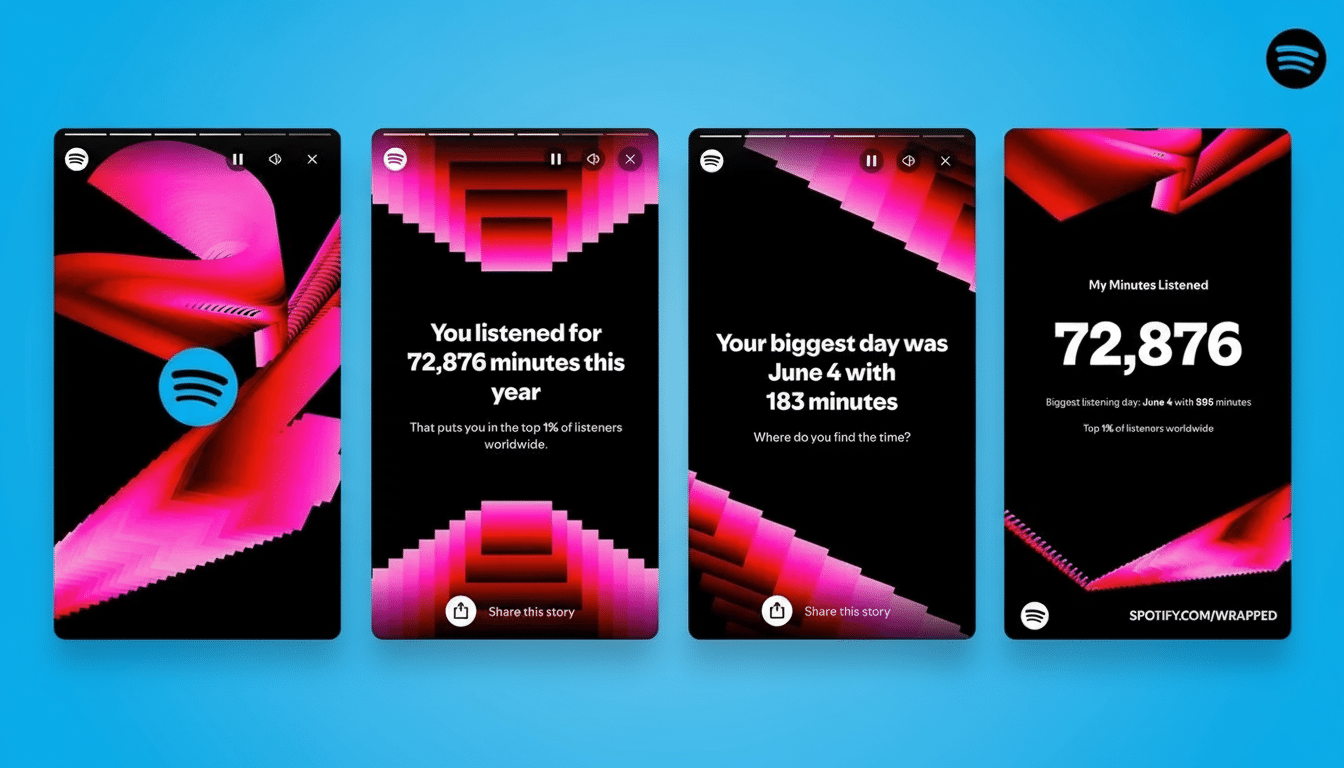
Minutes listened may be a solid proxy for listeners who are really engaged, especially for long-form genres like jazz, ambient, or live recordings. Conversely, stream counts can be the best way to assess repeat-hit behavior in pop or hip-hop. Your Top Songs ranking is based on qualifying plays, while minutes listened reflect your commitment. Some things will reach the top via one rubric, and others via the other—and that’s okay.
Other idiosyncratic aspects that can impact your Wrapped include:
- Timing: Spotify’s yearly summaries freeze prior to the holidays, so extra late-December binges aren’t measured.
- Background listening: Ambient listening is counted, but any track played for less than 30 seconds doesn’t count.
- Podcasts: Podcasts are handled separately in their own segment.
- Viewing behavior: Your results won’t change if you don’t view Wrapped in-app.
Context matters, too. According to the most recent IFPI Global Music Report, streaming constituted about 67% of all recorded music sales worldwide, so small changes in how commitment is measured can shift billions of streams. Industry data from Luminate underscores the prevalence of catalog listening and reflects the trend toward shorter tracks, which makes Spotify’s reconciliation of streams, minutes, and how listening is distributed a practical way to measure who you truly care about over random peaks.
How to read your Spotify Wrapped results like a pro
If your #1 track doesn’t align with your top artist, ask yourself: Did I queue up one Artist B song on repeat while sampling the oeuvre from Artist A? For albums, see if you listened to most songs regularly, or just singles through playlists. And when the minutes listened tell a different story than streams do, remember that time spent can shine a light on slow-burn favorites that seldom rise to the top of daily charts.
Spotify’s bottom line is simple: the company adjusts the metric to the story it’s telling. Overall plays rank Top Songs, a weighted model boosts recent and overall artist listening, and album scores reward overall listens across an album. It is not a mistake — it’s a picture of your year from six different engagement perspectives.
For listeners, that multi-metric approach can be liberating. Wrapped is not just a stiff leaderboard: it’s facets of the same gem. Read them in combination, and the mosaic of your musical year should begin to make perfect sense.
