


Spotify is taking a page from the bookstore playbook. Starting this spring in the US and UK, audiobook listeners will see a new option to buy physical copies directly from Spotify via a partnership with Bookshop.org. The move expands the streaming giant’s book strategy beyond listening, and pairs with a smart syncing feature that glides readers between print and audio without losing their place.
How the Spotify–Bookshop.org Partnership Works
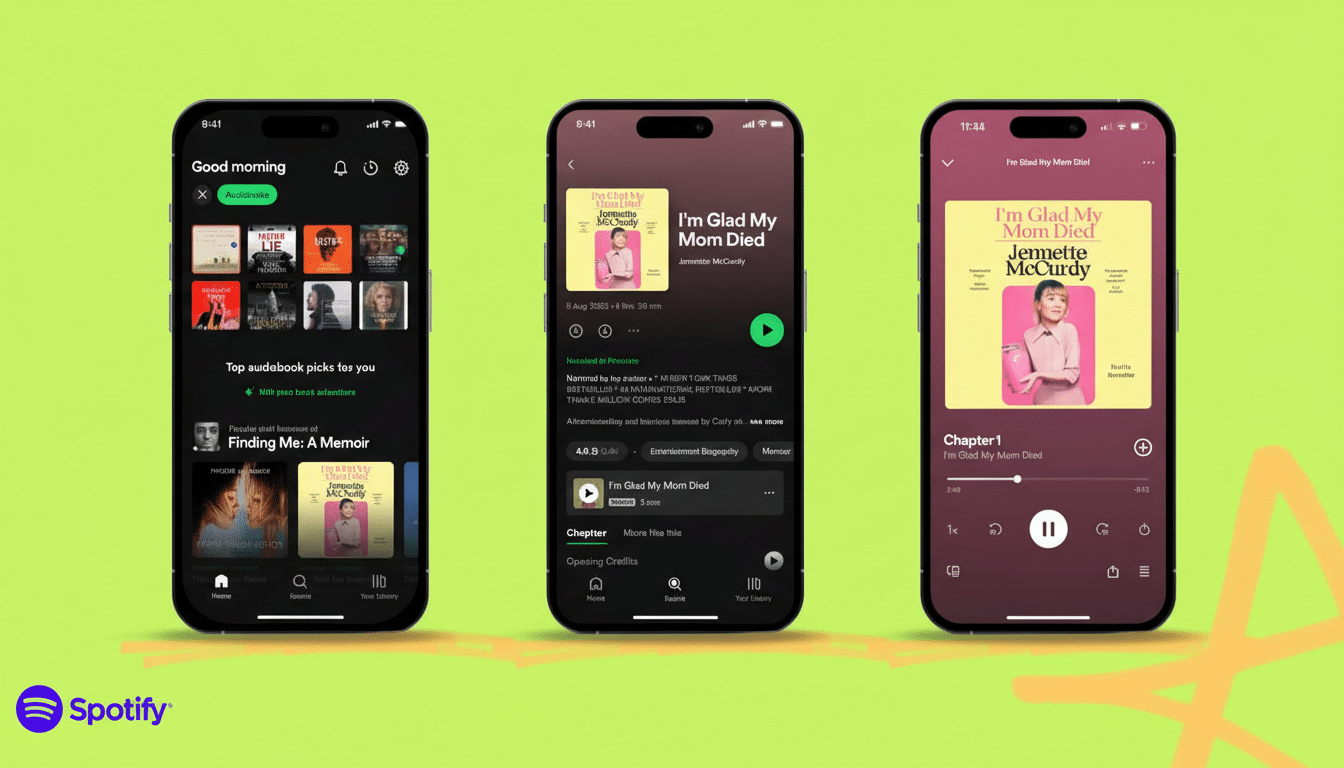
On selected audiobook pages, Spotify will surface an “Add to your bookshelf at home” button. Tap it and you’ll jump to Bookshop.org, which handles checkout, fulfillment, and shipping. A portion of every sale funnels to independent bookstores—a core promise of Bookshop’s model since its 2020 launch.
Bookshop.org was built to give local booksellers a digital storefront without ceding ground to e-commerce giants. The organization says it has directed tens of millions of dollars to indie shops since launch, an approach that aligns with Spotify’s pitch that this integration supports authors and local retail while meeting readers where they already discover titles.
“We are excited to see the impact Spotify’s scale will have for local bookstores,” said Andy Hunter, founder and CEO of Bookshop.org, framing the tie-up as a discovery engine that could translate audiobook curiosity into print sales.
Page Match Bridges Listening and Reading
Alongside the retail link, Spotify is introducing Page Match, a feature that snaps listeners and readers to the same point across formats. Start reading a paperback, open Spotify, tap Scan to Listen, and point your phone at the page; the audiobook jumps to the matching passage. The reverse works with Scan to Read when you want to move from headphones to page.
According to reporting by TechCrunch, Page Match begins rolling out on iOS and Android toward the end of February and will initially cover most of Spotify’s roughly 500,000 English-language titles. The experience leans on on-device text recognition and metadata to anchor the correct location—an elegant fix for the long-standing friction of toggling between formats.
For commuting readers, students, and book clubs, that continuity is the point. You can annotate a chapter in print at home, pick up the same spot in audio on the train, and switch back again when you reach the couch.
Why Spotify Wants a Foot in the Print Book Market
The strategy is part commerce, part retention, and part data. Linking audiobooks to physical purchases adds a new revenue stream with minimal logistical overhead (Bookshop handles the hard parts) while deepening Spotify’s role in discovery. It also generates valuable signals on what converts interest into purchases, which can inform recommendations across music, podcasts, and books.
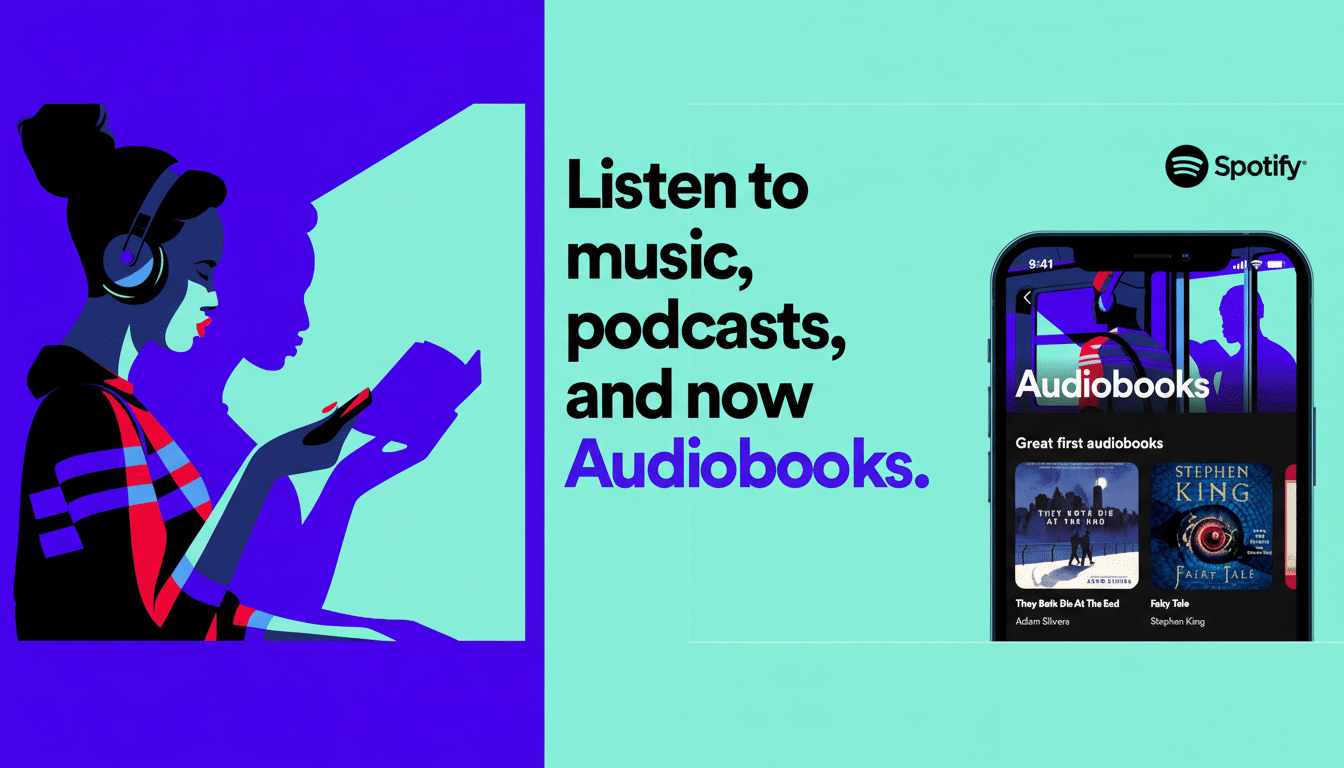
The timing makes sense. The Audio Publishers Association reports more than a decade of double-digit growth for audiobooks, reflecting a durable habit among commuters and multitaskers. Yet print remains resilient: Circana BookScan tracked hundreds of millions of print units sold in the US last year, despite a modest dip from pandemic highs, and Pew Research Center consistently finds print to be Americans’ most popular reading format. In other words, many listeners still want the book on their shelf.
Spotify’s integration narrows the gap between formats and taps into impulse: if you love the narration, it’s one tap to buy the hardcover for your library—or for a gift.
What It Means for Authors and Independent Retailers
For authors and publishers, this could nudge incremental print sales from audiences who discovered a title by listening. Because purchases flow through Bookshop.org, the economics look familiar: standard retail pricing, traditional print royalties, and support for indie stores instead of a single dominant marketplace.
Independent booksellers gain a new acquisition channel without having to compete for search or ad spend. The risk is modest—fulfillment remains with established distribution—and the upside is access to Spotify’s massive discovery surface where book talk already happens through podcasts, playlists, and recommendations.
The Competitive Angle Against Audible and Apple Books
Spotify is positioning itself against Audible and Apple Books by collapsing discovery, listening, and now print purchasing into one app. Audible integrates tightly with Amazon’s storefront; Spotify’s answer is a neutral partner that directs money to local stores and keeps the in-app experience cohesive.
The Page Match rollout follows a cadence of rapid product updates—recently including offline lyrics and global lyric translations—and arrives as Spotify adjusts its pricing, with Premium now at $12.99 per month and Duo and Family at $18.99 and $21.99. Frictionless reading-to-listening could help justify those prices while making Spotify stickier for book lovers.
If the experiment drives meaningful conversions in the US and UK, expansion to more markets is an obvious next step. For now, the message is simple: discover a book, listen on the go, and if you want it on your shelf, Spotify will point you to a local-friendly checkout in a single tap.
