


Spotify is doubling down on books with two reader-friendly features that bridge the gap between paper, pixels, and audio. The company is introducing Page Match, a tool that lets you jump seamlessly between a physical book or e-book and its matching audiobook, and it’s adding a way to purchase physical books inside the app through a partnership with Bookshop.org in select markets.
How Spotify’s Page Match Syncs Print, E-Books, and Audio
Page Match uses your phone’s camera to scan the page you’re currently reading and instantly align that spot with the audiobook’s timecode. When you’re ready to switch back, it can also tell you which page to turn to in the print or e-book edition, creating true two-way sync. Spotify says it works on most English-language titles and will be available on both Android and iOS.
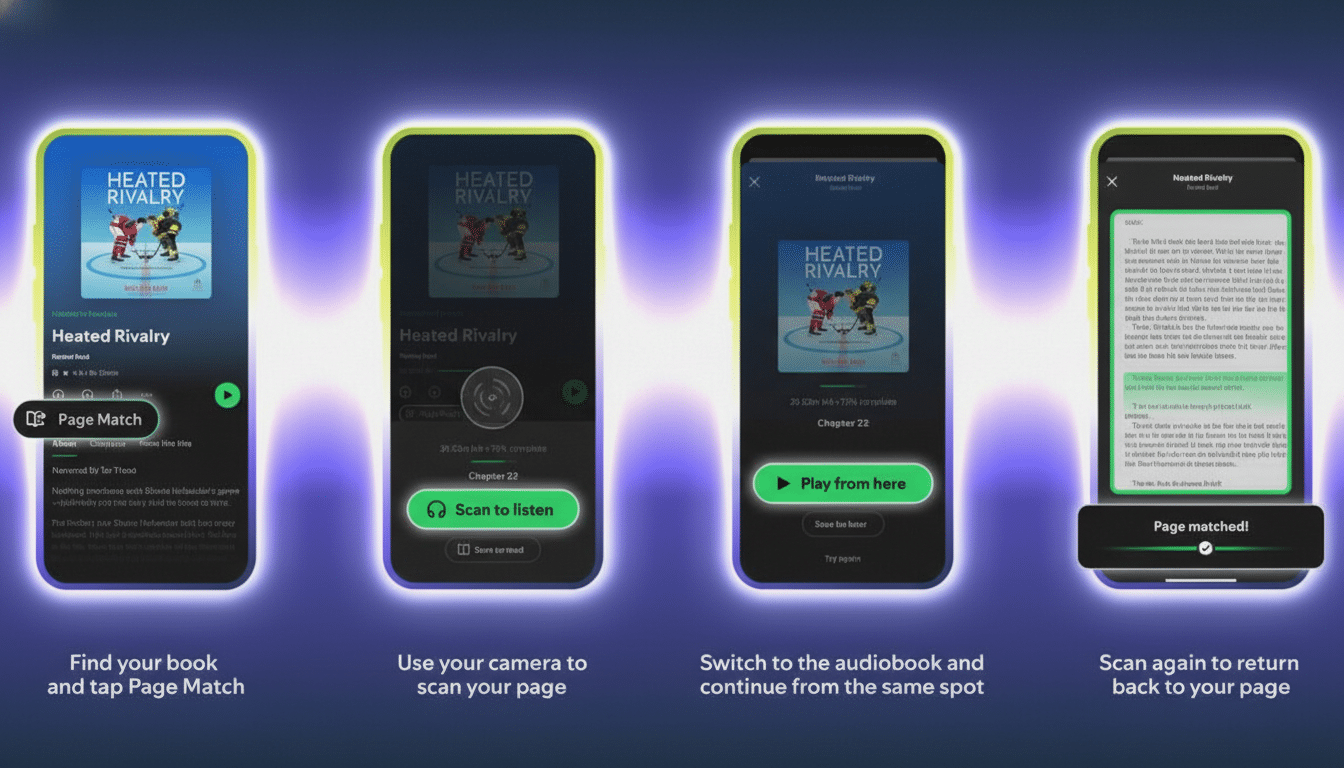
While audiobook platforms have offered syncing between digital text and audio before, it typically requires buying both the e-book and the audiobook in a single ecosystem. Page Match stands out by recognizing physical pages in addition to e-books, which is a notable usability leap for anyone who still loves the feel of paper but wants audio flexibility during commutes, workouts, or chores.
Under the hood, the feature likely relies on on-device text recognition and content matching to “fingerprint” a passage and find its position in the audio track. The result is a nearly frictionless handoff: read on the couch, scan, then pick up the narration on your headphones without hunting for chapters or timestamps.
Why This Matters for Audiobook Adoption and Engagement
Audiobooks are one of publishing’s fastest-growing segments. Reports from the Audio Publishers Association and Edison Research show US audiobook revenue has climbed steadily in recent years, topping roughly $1.8 billion, with listening becoming a weekly habit for tens of millions. Seamless transitions between formats are a proven way to increase completion rates, which benefits listeners, authors, and platforms alike.
For Spotify, Page Match fits neatly alongside its broader audiobook push, including a Premium plan perk that bundles a monthly allotment of listening hours in several markets. The more effortless it is to move between reading contexts, the more likely users are to stay within Spotify’s ecosystem for narrative content, not just music and podcasts.
Buying Physical Books Without Leaving Spotify
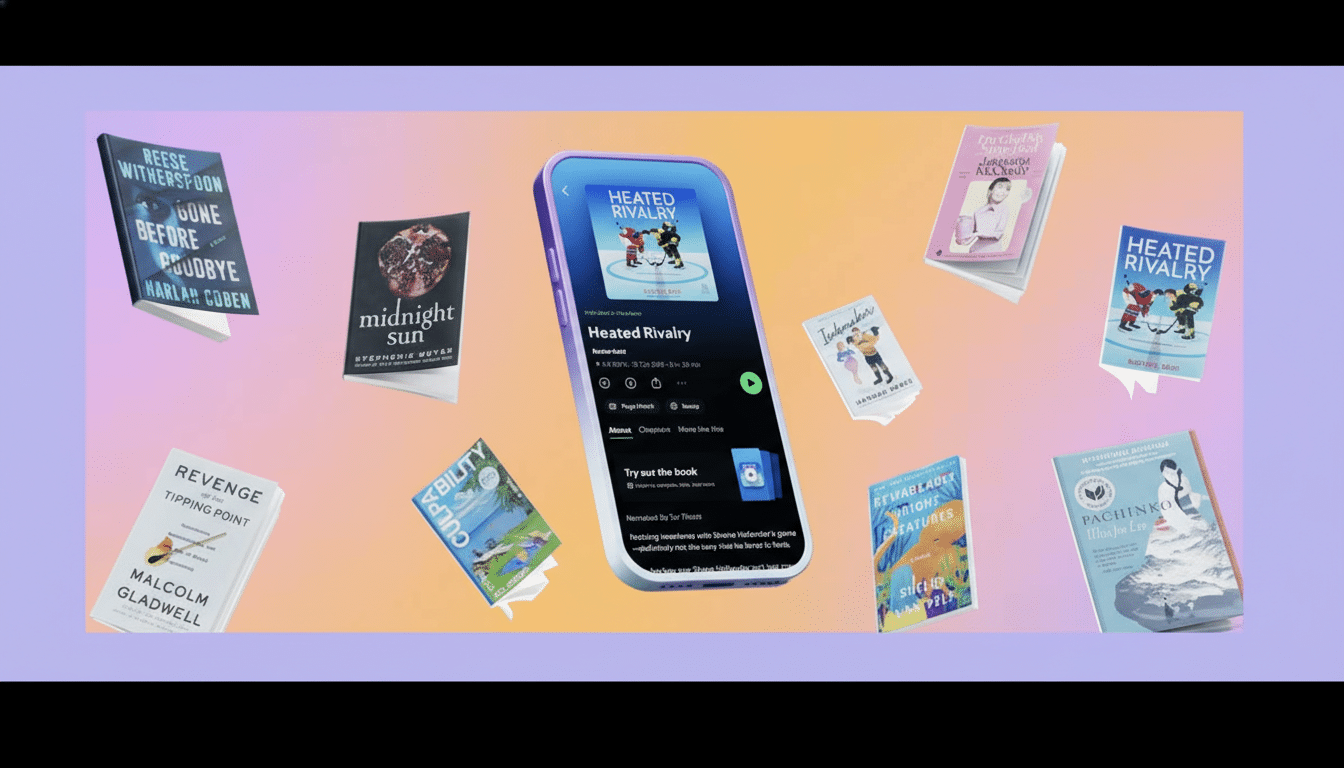
The second announcement brings physical retail into the app. Through a partnership with Bookshop.org, Spotify will let users in the US and UK purchase print books directly within the experience. Bookshop.org funnels online sales to independent bookstores, and the organization says it has generated tens of millions of dollars for local shops since launch.
Practically, this means you can discover a title via an audiobook sample, author page, or editorial collection, then order the physical edition on the spot. It’s an elegant loop: browse, listen, and buy without bouncing between apps or searching across multiple retailers. For Spotify, it adds a commerce layer to discovery while aligning with a mission that resonates with many readers—supporting indies.
How It Compares to Rivals and Who Benefits Most
Amazon’s Whispersync for Voice has long synced Kindle e-books with Audible audiobooks, but it assumes you’re inside that digital bundle. Page Match’s ability to recognize physical pages lowers the barrier for readers who mix formats, including library borrowers and secondhand buyers. It could also aid language learners and those who prefer read-along workflows without locking them into a single storefront for text.
Publishers gain another discovery channel, and independent bookstores get visibility through Bookshop.org’s fulfillment network. For authors, tighter integration between discovery, sampling, and purchase can translate into higher conversion—especially for backlist titles, where audiobooks often revive interest years after publication.
What to Watch Next as Spotify Expands Book Features
Coverage breadth will be key. Spotify indicates Page Match supports most English-language titles; expansion into additional languages would meaningfully widen the feature’s appeal. Another area to watch is how Page Match handles annotations or special editions and whether publishers will provide enhanced metadata to improve accuracy.
There are also user-experience questions that matter at scale:
- How quickly the camera scan resolves
- How well the match works in low light
- What safeguards are in place for handling scanned text
If Spotify nails the speed and reliability, Page Match could become a default behavior for modern reading—just like hitting play when you leave the house.
Taken together, Page Match and in-app print purchasing push Spotify closer to an end-to-end book platform where discovery, listening, and owning a shelf copy all live in one place. For readers who straddle formats, that’s not just convenient—it’s the kind of workflow upgrade that changes habits.
