


Spacecoin claims to have replicated an encrypted blockchain transaction via a low Earth orbit satellite, serving as a proof-of-concept that leaked into space media after they received a press release. The end-to-end test relayed encrypted data between ground stations in Chile and Portugal, using the company’s demo spacecraft to move a vision of a decentralized space-based internet from pitch deck to reality.
Why an Orbital Relay Matters for Secure Connectivity
These signed packets are not about cutesy—it’s about integrity through time and space. Radio links lead to noise and latency, whose intermittency negatively impacts performance. Storage of a cryptographic signature end-to-end—no on-orbit decryption required—requires strong forward error correction, tight timing, and careful key management. Exceeding that bar allows a satellite to serve as a trust-minimized relay, rather than a trusted intermediary—an important difference for permissionless networks.
- Why an Orbital Relay Matters for Secure Connectivity
- From CTC-0 to Starmesh: Building a Space Relay Network
- Access Tokenization and the Business Model
- Precedents and Proof Points for Space-Based Blockchain
- Engineering and Policy Hurdles for Orbital Networks
- What to Watch Next as Spacecoin Scales Its Constellation
The test also indirectly tested latency budgets. A hop down to LEO and back again adds tens of milliseconds to a path, which is fine for interactive traffic if the routing is intelligent. Proving deterministic behavior in that link is fundamental for transforming orbital relays into infrastructure capable of transporting not only blockchain messages, but general internet packets with predictable performance.
From CTC-0 to Starmesh: Building a Space Relay Network
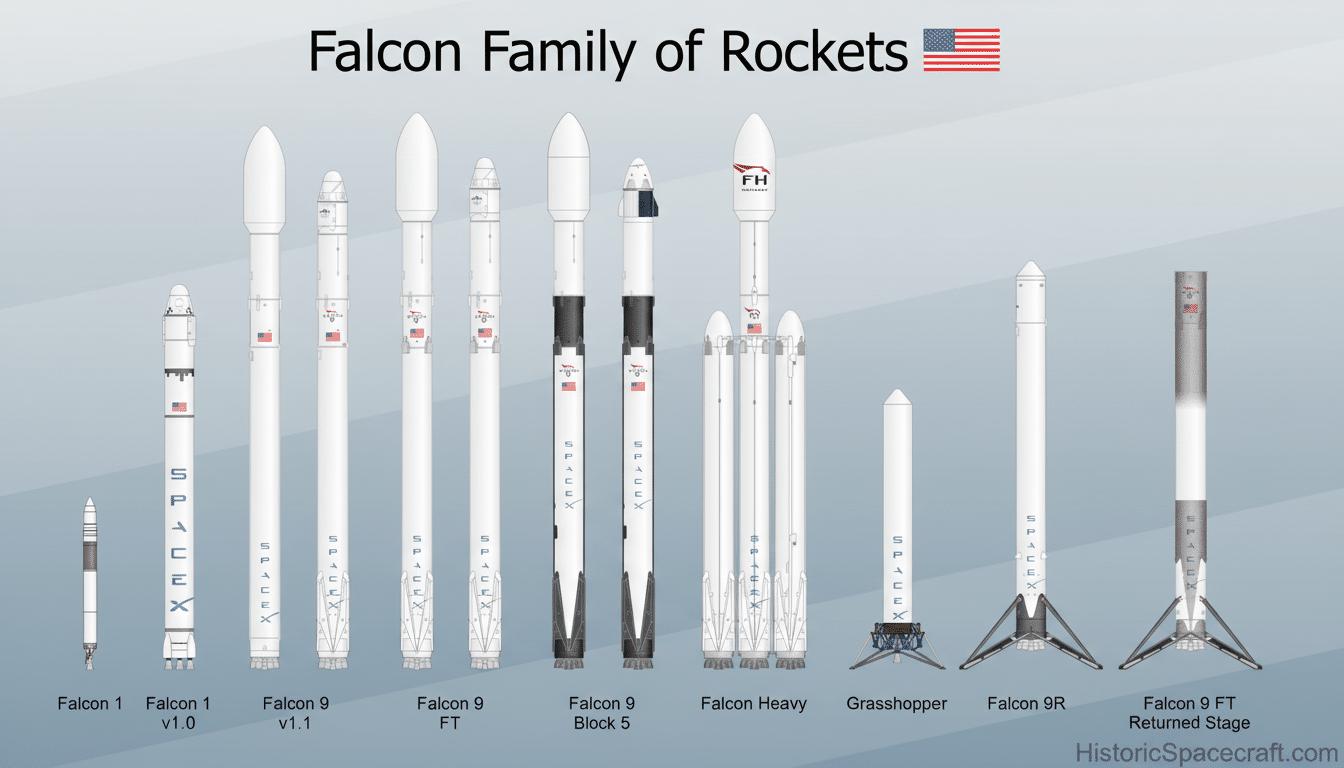
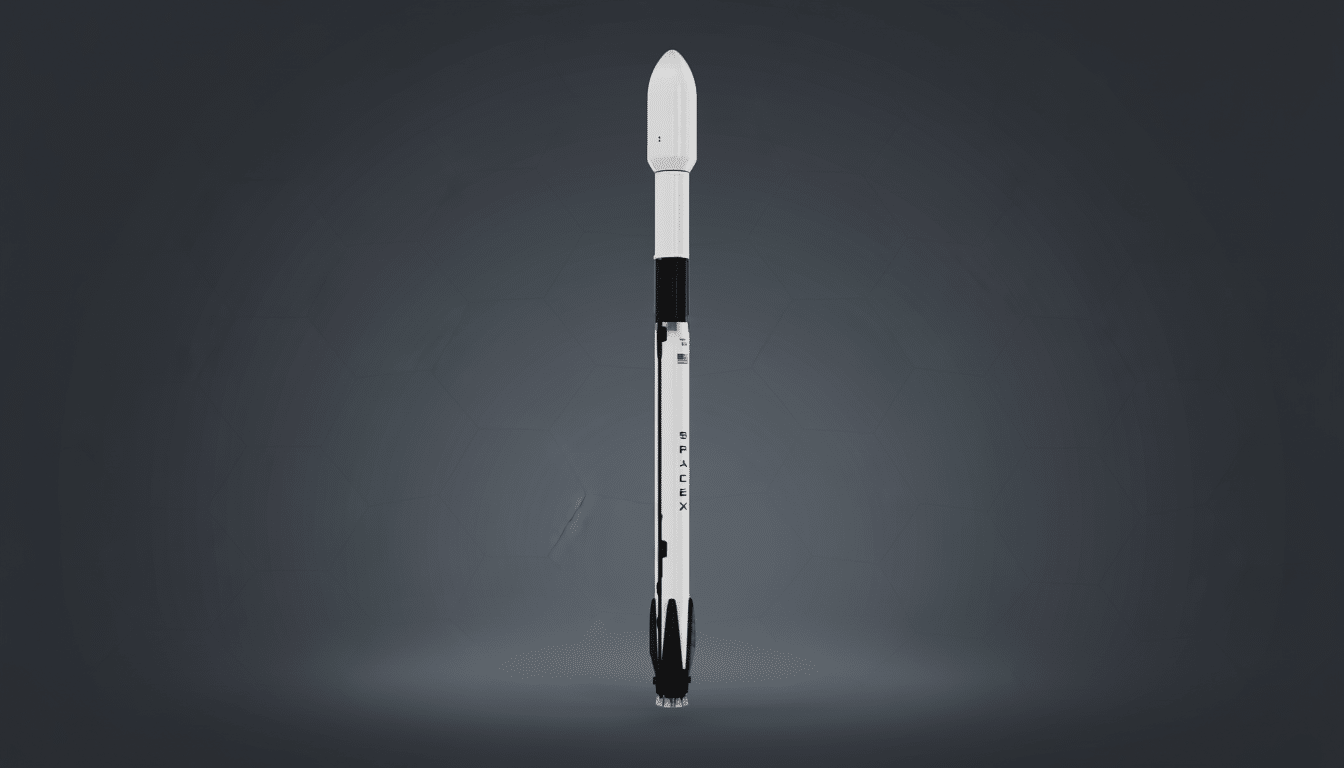
Called CTC-0, the company’s pilot satellite was developed by EnduroSat and launched as a rideshare on a Falcon 9, becoming the initial node within what’s anticipated to be an aligned series. Spacecoin says three more follow-on satellites, dubbed CTC-1, will be bigger and accommodate more capacity as future generations add throughput and redundancy to the constellation.
Founder Tae Oh cast the milestone as part of what Spacecoin wants to be when it’s fully evolved: a constellation that forwards encrypted traffic without centralized gatekeepers.
The result is “Starmesh,” an overlay network that routes packets out into space and down to broadcasting ground stations, providing users with privacy while accessing decentralized web services.
Access Tokenization and the Business Model
Spacecoin, unlike the traditional satellite broadband that relies on a subscription sales model, peddles tokenized access. The infrastructure would be executed on the Creditcoin blockchain, providing micropayments for bandwidth, programmable priority or quality-of-service tiers, and settlement with no geographical constraints. In theory, that could open the door to links at the packet or session level being priced by market forces and align incentives for independent ground operators to join the network.
That’s a big switch from the vertically integrated incumbents. SpaceX’s Starlink, which has sent more than 8,000 satellites into the sky and signed up millions of customers, owns the full stack from launch to terminals. They told the publication that Amazon’s Project Kuiper is also constructing a similar managed service. It’s betting that developers, distributed service providers, and users will flock to a marketplace for encrypted transport where anonymous entities might be using 5G spectrum for something byzantine while the stars align once again.
Precedents and Proof Points for Space-Based Blockchain
It is not an entirely new idea to combine blockchain and space. Blockstream Satellite transmits the Bitcoin network to space to make receivers on Earth more resilient—SpaceChain has even performed multisignature transactions in a payload in space! Spacecoin does things differently by focusing on a general-purpose, bidirectional transport layer for encrypted internet traffic, as opposed to merely broadcasting blockchain data or running one application in space.
At scale, a permissionless relay mesh could mitigate localized outages by routing around terrestrial disruptions and censorship.
It’s a proposition that has piqued the interest of supporters of the open internet—as well as developers of decentralized apps that want global reach without centralized choke points.
Engineering and Policy Hurdles for Orbital Networks
Moving from a successful demo to a production network introduces real-world constraints. One of them is spectrum, a finite resource that is heavily managed (allocated and coordinated by the International Telecommunication Union and its member states, such as the FCC in the U.S.). Interference control, licensing, and cross-border deployment become table stakes for any operator who wants worldwide coverage.
There are also technical issues about scaling. To match Earth-based resiliency, the constellation will require more nodes, significantly smarter routing, and potentially inter-satellite links to prevent unneeded ground hops. Performance in terms of delay, rate, and energy/bit needs to be traded off against these LEO satellite power budgets. Privacy claims such as “untraceable browsing” will be tested by government mandates to wiretap user activity, and devising a design that is privacy-preserving yet compliant in major markets will be a strategic challenge.
What to Watch Next as Spacecoin Scales Its Constellation
In the short term, look for Spacecoin to expand beyond a single satellite, publish performance telemetry such as sustained throughput and packet loss under load, and release developer tooling for routing and payments. Clear metrics that are third-party validated along the way will count for much more than slogans as the company woos partners and users.
The competitive environment will be fierce. Incumbent constellations have scale, cash flow, and manufacturing muscle; newcomers like Kuiper are ramping up. If Spacecoin is to have any advantage, then it’s going to come from the alignment of economic incentives around a neutral, encrypted transport fabric. A polished demo from Chile all the way to Portugal is a solid beginning. Creating a global, decentralized internet backbone from orbit will require many more such links—and evidence that anyone can benefit from them using a tokenized model.
