


South Park wrapped its 28th season this week with a finale that veers away from over-the-top holiday parody and toward a grim, real-world echo — rooting its climactic punchline in the notorious Jeffrey Epstein scandal. The episode concludes a two‑season arc that began with Trump, a pregnant Satan and a twisted image of Jesus, then shocks viewers with an all-too-honest-to-believe twist in the finale — one of the most audacious twists in the show’s nearly three decades on air.
South Park’s Antichrist Arc Takes a Darker, Chilling Turn
The holiday outing relocates the warring parties to Colorado, where the long‑teased Antichrist birth finally assumes the place of every narrative fulcrum. Rather than bringing forth a chaos‑summoning love child, we get what at this point passes for a humdrum ultrasound revelation: The fetus is declared dead in an announcement that unmistakably recalls the (still poorly understood) jailhouse death of Epstein himself, right down to the glimpse of bedsheets and the absence of some minutes on video. In that instant, the two‑season myth arc pulls a 180 from apocalyptic farce to a bitter statement about power, truth and the stories we tell ourselves to make sense of either.
- South Park’s Antichrist Arc Takes a Darker, Chilling Turn
- The Epstein Reference and Why It Hits Uncomfortably Hard
- Trump-era Satire Reaches a Peak in South Park’s Finale
- Cultural Context and Audience Reaction to the Finale
- What This Ending Means for South Park’s Next Chapter
- If You Need Support or Crisis Resources, Here’s Help
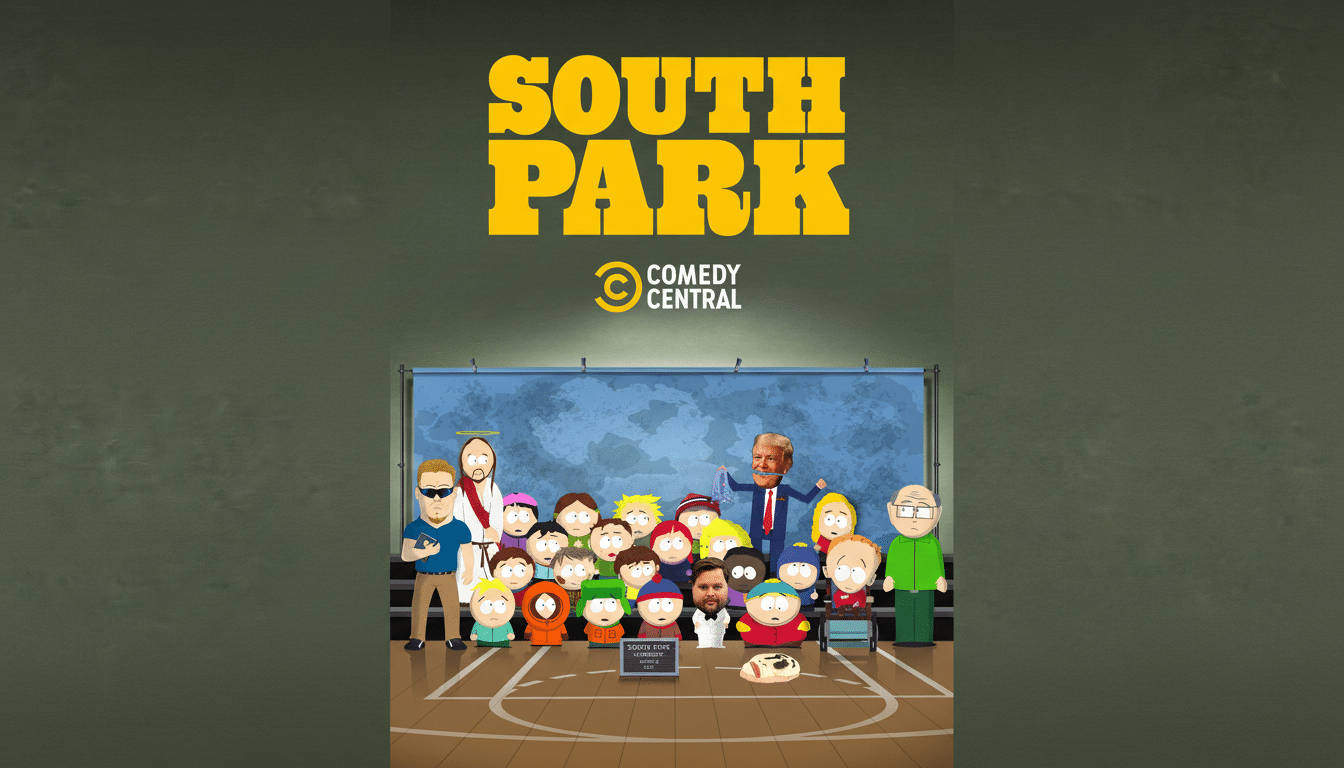
It’s a pointed choice. South Park has always used shock to reveal hypocrisy, but in this instance the shock is more than simply a delivery mechanism for punch lines. It rewrites the whole Antichrist narrative as an exploration of how stories are constructed by institutions — and how quickly those stories harden into dogma when they serve the powerful.
The Epstein Reference and Why It Hits Uncomfortably Hard
Epstein’s death while in federal custody has been dissected for years by the media, prosecutors and internet sleuths. The New York City medical examiner called it a suicide, and a review by an inspector general at the Department of Justice later described serious lapses at the Metropolitan Correctional Center: overstretched staff members, rounds logs falsified by two officers who eventually admitted to lying, and malfunctioning cameras outside Mr. Epstein’s cell. That combination — an official suicide ruling and glaring security failures — fertilized countless conspiracy theories and “missing tape” lore.
The finale weaponizes cultural memory by mapping those specifics onto a satanic pregnancy plot. The joke works not just because it’s shocking in the extreme, but because it plays off an actual, unresolved sense of unease: even when the police offer a definitive answer to something, the public’s confidence may be too broken for people to believe it. In one scene, South Park distills years’ worth of reporting, partisan suspicion and internet mythmaking into a single, icy gut punch.
Trump-era Satire Reaches a Peak in South Park’s Finale
The episode also continues the series’ ongoing critique of Trump‑era politics, through a parade of real-world names and caricatured stand-ins. A Trump and his enthusiastic liege conspire to thwart the birth, while birth, tech and media elites orbit the cradle of chaos and a flawed Jesus rues his complicity in a politicized, punitive form of faith. A late‑episode twist gives some spiritual clarity, but the larger message here is that spectacle so often devours redemption — especially when it’s organized as a victory party.
It’s pure Trey Parker and Matt Stone: taboo‑rattling humor over a base hit of a moral question. The show has frequently blurred lines between pop‑culture memes and hardened news — think back to earlier seasons’ lampooning of its rendition of post‑9/11 security theater, social media mobs and celebrity worship — and Season 28’s closer strikes me as among the series’ most unsparingly topical.
Cultural Context and Audience Reaction to the Finale
South Park remains one of cable’s longest-running scripted comedies with adults 18–49, based on Nielsen trend data across the last several seasons, a testament to the show’s continued ability to connect with audiences.
Source: Nielsen via Comedy Central
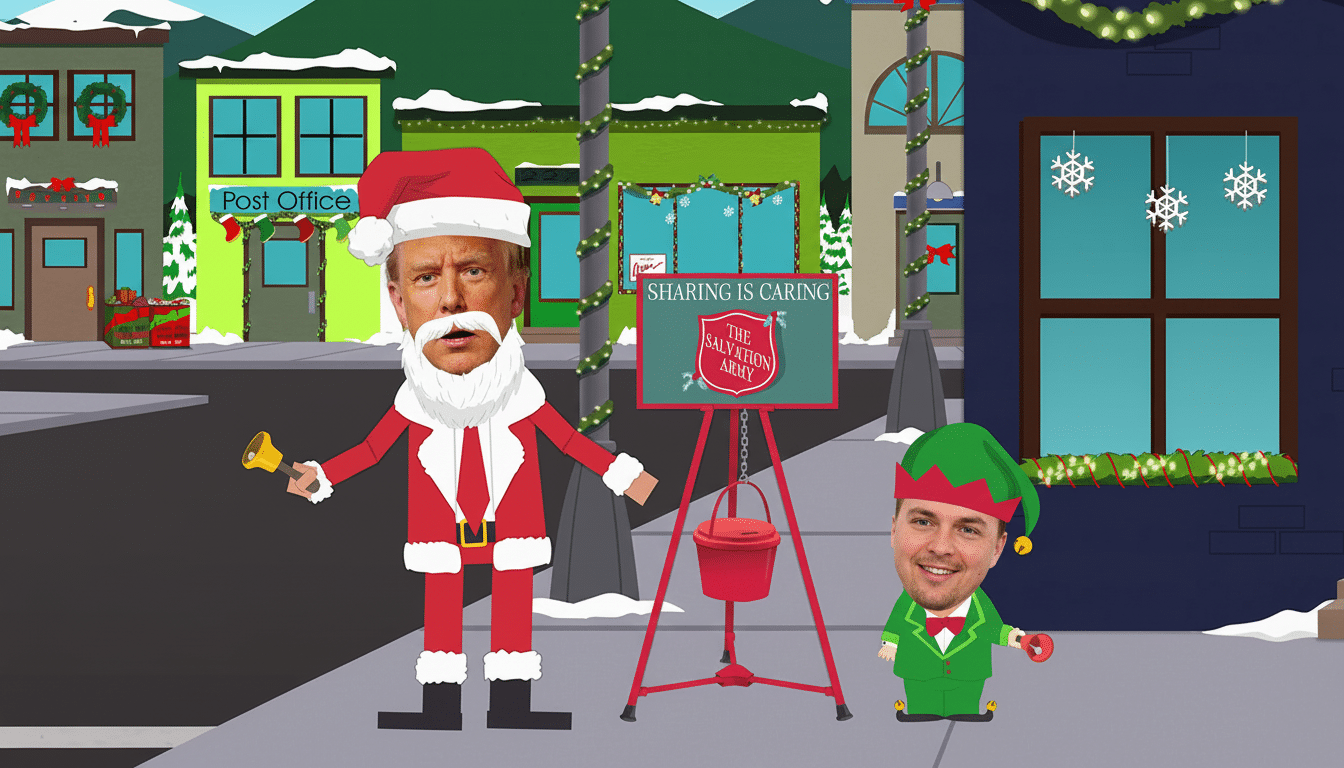
Episodes that mix headline‑level scandals with franchise lore invariably trigger spikes in social chatter and next‑day think pieces — an ecosystem that the creators know well and often play into.
Your feedback loop is shaped for that Epstein allusion. It’s easily recognizable, meme‑able and burdened with morality. But the episode’s darkest beat also functions as a moment of rare stillness: Satan exits an unused nursery. The image sticks outside of the jokes, and that’s exactly the point.
What This Ending Means for South Park’s Next Chapter
By sweeping the Antichrist out of existence before he’s even a twinkling in his father’s eye, the finale lops off one of the most sensationalist story arcs in the series’ history at all levels while sparing narrative oxygen for whatever comes next.
It signals that South Park’s post-Trump storytelling won’t just chase headlines; it will be about how in the Trump era, power reframes tragedy as tidily and dimensionally as a Trey Parker musical — and about how stories then seep into public belief.
The series still runs on Comedy Central, with its episodes available in many regions on Paramount+. More than 300 episodes in and with a renewal runway already inked by its parent company, the franchise shows no sign of losing its appetite for cultural third rails.
If You Need Support or Crisis Resources, Here’s Help
If it’s a tough subject matter that brings up emotions, they can offer help. In the United States, 988 is a national number to reach the Suicide & Crisis Lifeline, the Trevor Project at 866‑488‑7386, or to reach the Trans Lifeline dial 877‑565‑8860. For general mental health help, the NAMI HelpLine is 1‑800‑950‑NAMI. International aid can be found through emergency lines and health services.
