


The next consumer frontier in AI is not agents or chatbots but feeds — streams of content, delivered directly. OpenAI’s Sora 2, Meta’s Vibes and Character.AI’s Feed are in a race to define an AI-native social video format where you can play God with content that looks like it was shot in a studio, but that only takes 15 seconds to whip up.
A New Class of Social Video Emerges with AI-Native Feeds
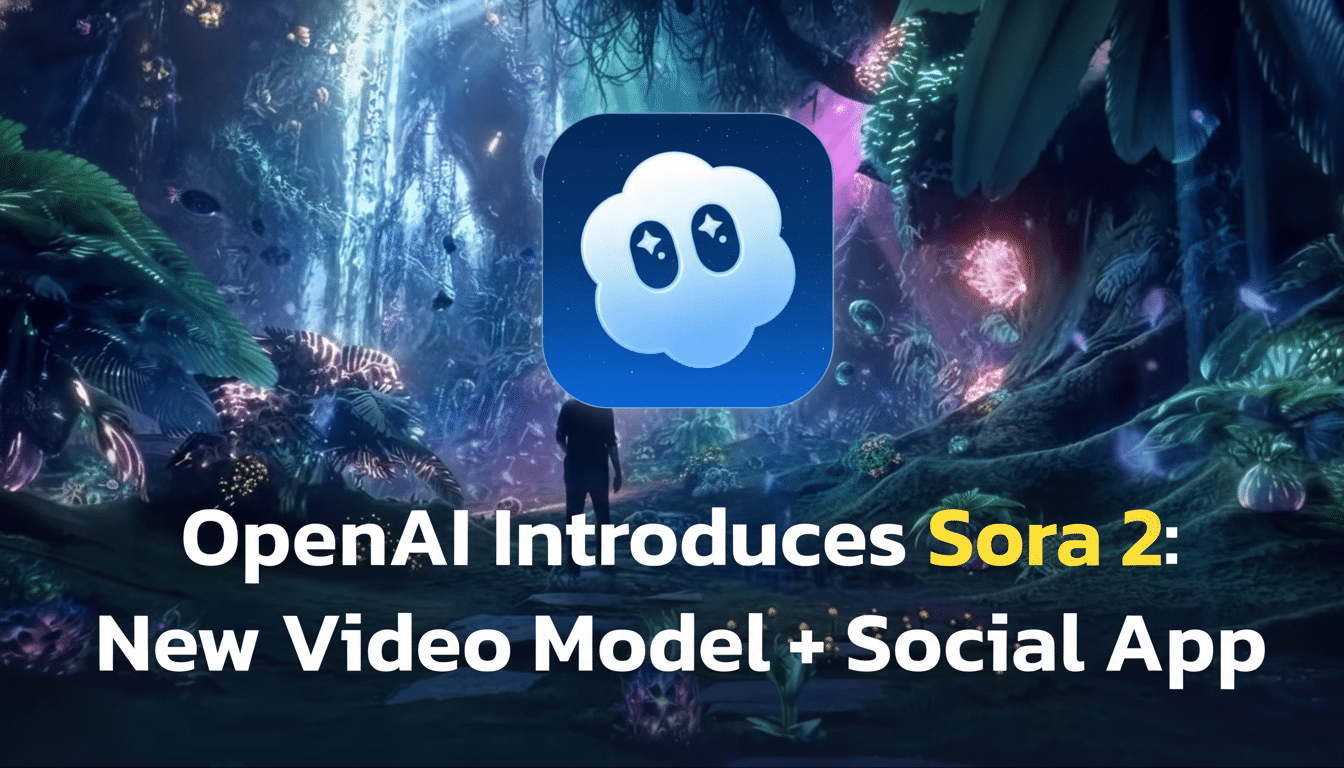
OpenAI is combining Sora 2’s improved text-to-video engine with a mobile app that catapulted to the top of the App Store despite being invitation-only. The pitch is the same, but it’s been supercharged: make short clips, stick yourself or friends into them, riff on trending prompts, and share them back out to a community conditioned to remix as fluently as they scroll.
- A New Class of Social Video Emerges with AI-Native Feeds
- What’s Actually Different This Time for AI Video Feeds
- The Compute and Climate Bill for Infinite AI Video
- Rights, Meet Remix Culture in the Age of AI Video
- Who Has the Edge Now in AI-Native Social Video
- The Stakes for Users and the AI Video Industry

Character.AI jump-started things earlier when it branded Feed “AI-native,” a cheeky, direct way of saying everyone has become the author and archive. Meta continued with Vibes in its assistant app, a swipeable stream of sub-10-second moments designed for immediate participation. Midjourney has been testing a web feed for AI video, too, suggesting that every cool-kid model shop wants to play in distribution, not just creation.
The strategic maneuver is obvious: Whoever controls the feed controls discovery, retention and the data required to tune models to what people actually watch. In the social, distribution gravity trumps raw power more often than not.
What’s Actually Different This Time for AI Video Feeds
These feeds blur authorship. A clip is not done; it is an invitation to iterate. Templates, scene graphs and character anchors make it easy to swap in faces, styles or environments while preserving the structure that made a cut go viral. Anticipate “remix chains” when a single seed gives rise to thousands of hybrids, fine-tuned to a niche or a friend group.
Personalization goes beyond the For You page. With body-snatching and sound cloning common, the default protagonist is you. This is sticky product design: People are far more likely to rewatch a scene in which they star, even if the directing is mediocre.
Safety tooling is getting better, but the incentives are not aligned. Facial insertion, lip-sync and style transfer are all compelling and highly abusable at the same time. Watermarking frameworks like C2PA and OpenAI’s provenance research help, but enforcement lives and dies by platform policy and moderation at scale.
The Compute and Climate Bill for Infinite AI Video
Infinite AI video isn’t free. The International Energy Agency expects that use could double worldwide by mid-decade, with AI playing an outsized role. Company sustainability disclosures offer a similar story: Google reported that its emissions are soaring from the low levels set when benchmarked off its AI usage rates, and Microsoft reported it cut nearly 30 percent against recent baseline growth, despite rapidly scaling data centers.
Video generation is one of the most demanding consumer-oriented AI tasks available. And this was even with caching and model distillation: A hit prompt can spawn millions of near-duplicate renders, burning cycles, power and water for cooling. This isn’t just about content quality, but whether platforms can limit resource usage without telling creatives to be transparent.
Look for pressure towards more energy-aware product design: organize using existing frames, privilege edits over new renders and gently guide users towards remixing over starting from a blank canvas. Cloud providers will brag about cleaner grids and smarter schedulers; regulators will demand transparent accounting.
Rights, Meet Remix Culture in the Age of AI Video
When anyone can drop in a celebrity doppelgänger, or a full-fledged copyrighted character, into a clip, the old way of managing content licensing is out to lunch. Rights holders will demand model-level guardrails and takedown speed guarantees. Platforms will retaliate with opt-out registries, safer defaults and creator funds to keep talent on side.
Lawmakers are moving too. State-level deepfake laws, the changing definition of fair use and the EU’s AI Act will define limitations around labeling and provenance. Winners here will make compliance effectively transparent to users, yet give brands granular access to play without fear of reputational risk.
Who Has the Edge Now in AI-Native Social Video
OpenAI commands headline model quality and the fastest-growing mobile footprint. It controls distribution, social graphs and recommendation muscle. Character.AI is a space where playful co-creation is culturally prioritized, which aligns pretty well with remix-first video. Midjourney’s design street cred has earned it the ear of creators, despite being without a mobile app.
History says that product excellence alone isn’t sufficient. The search space was noisy right up until PageRank made Google seem inevitable. Society was disorderly until network effects concentrated attention on a handful of feeds. The same consolidation will play out here, perhaps more rapidly, as compute costs penalize laggards and reward scale.
Watch five signals:
- Time to first creation
- Remix chain depth
- Moderation throughput
- Creator earnings per unit effort
- The percentage of edits that are refreshes versus fresh creations, which serves as a proxy for both sustainability and community health
The Stakes for Users and the AI Video Industry
The potential upsides are clear if AI video streams converge to one leading destination: better discovery, safer defaults and more efficient per-clip resource burn. We all know the downside: incentives toward monoculture, firmer control over distribution and a higher bar for independent tools to find an audience.
For now, though, war is on and the scroll is the battleground. The platform that makes creation seem inevitable — and responsible — will not merely attract attention. It will rewrite the grammar of social media itself.
