


A new leak hints that Sony’s next flagship earbuds could arrive with a meaningful power boost and a higher price tag to match. Details surfaced via Dealabs and were echoed by Android Authority, outlining what appear to be the first comprehensive specs and U.S. pricing for the anticipated WF-1000XM6.
What the Leak Reveals About Sony’s WF-1000XM6 Specs
The headline number is the reported $329.99 MSRP in the United States, which would place the XM6 above the launch price of the WF-1000XM5. The leak suggests Sony is betting that a sharper jump in performance will justify the premium.
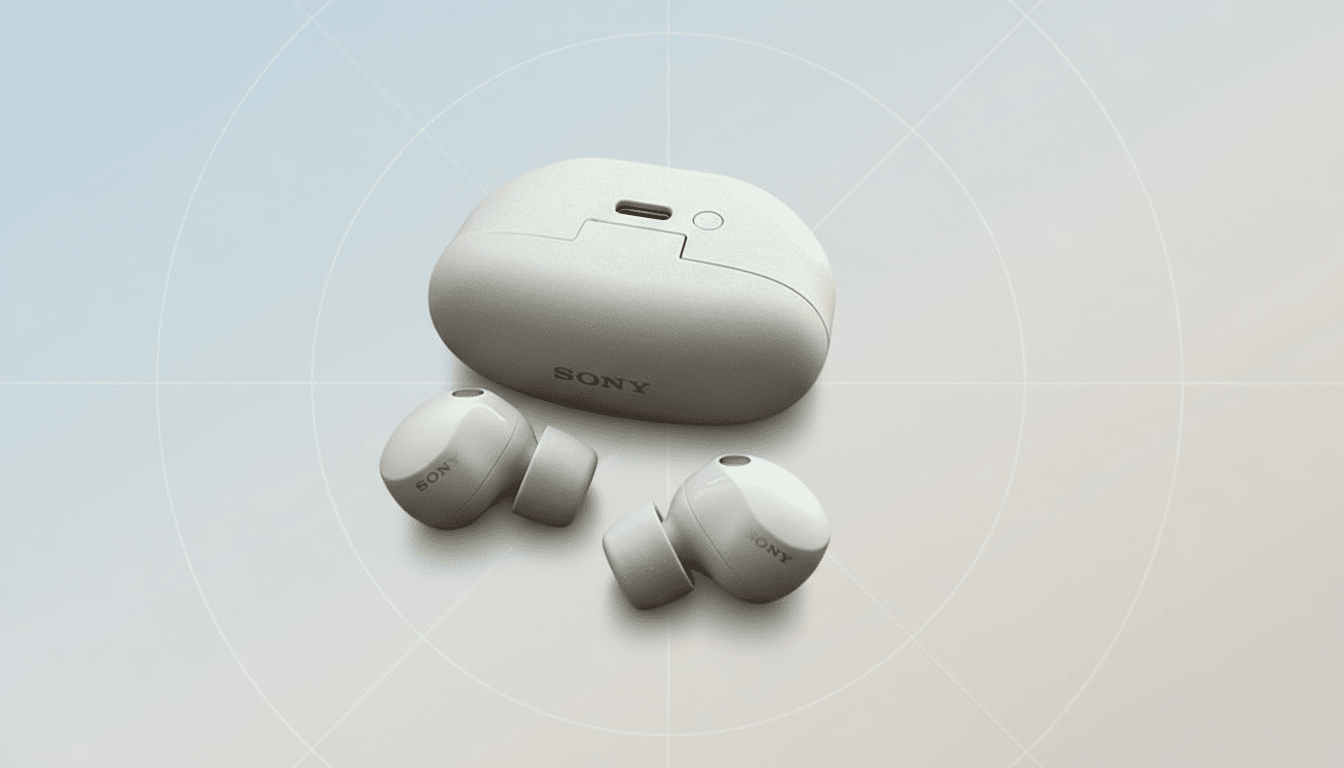
At the center of the upgrade is a new QN3e processor said to be 3x faster than the chip in the XM5. For earbuds, that kind of processing headroom typically translates into better real-time noise analysis, more precise anti-noise generation, and cleaner beamforming for calls. It can also lower algorithmic latency, which matters for gaming and video lip sync.
Audio hardware is reportedly refreshed, with both the driver and amplifier updated. Sony has steadily tightened control over low-frequency resonance in recent generations; a new amp stage paired with revised drivers should help preserve dynamic punch while reducing distortion at higher volumes. The company’s tuning often leans warm with a lifted sub-bass, so any driver changes will be closely watched by listeners who prize a more neutral curve.
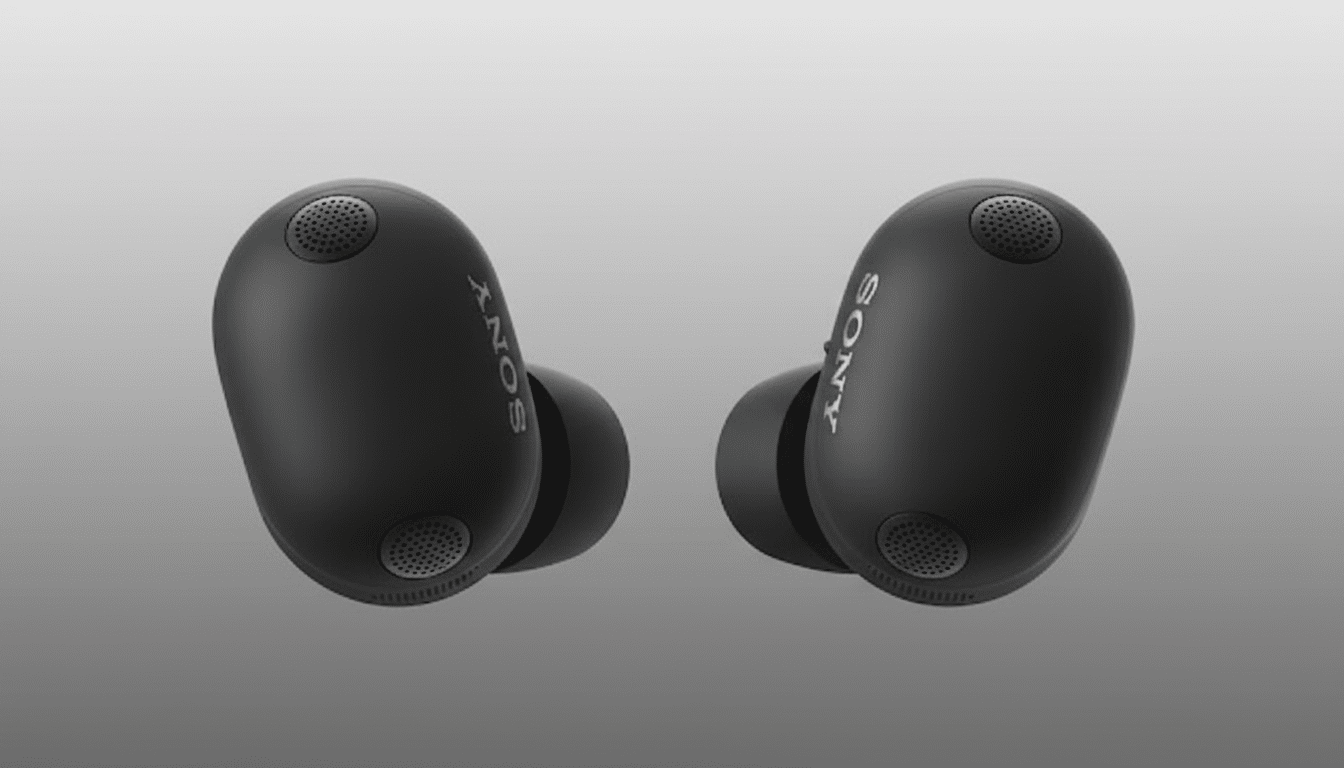
Microphone count is said to rise by two to a total of eight, a move that can improve voice isolation and adaptive ANC. More mics give the system better spatial sampling of ambient noise, which is critical in hard scenarios like subway platforms and windy avenues. The leak also points to 360 audio with head tracking, expanded EQ bands, and improved airflow through the chassis—design cues that usually target ear pressure relief and wind-noise mitigation.
How the Rumored Price Fits the Premium Earbuds Market
At $329.99, the XM6 would sit at the very top of the mainstream premium tier. For context, Bose’s QuietComfort Ultra Earbuds list at around $299, Apple’s AirPods Pro 2 at $249, and Sennheiser’s Momentum True Wireless series typically hovers near $299. Sony itself launched the XM5 at about $299, so the rumored price suggests a clear attempt to stretch the feature gap.
Regional pricing will vary with taxes and exchange rates, but the direction is unmistakable: flagship ANC earbuds are drifting upward. Analysts at Counterpoint Research have noted that the premium TWS bracket continues to outgrow the broader market as buyers trade up for stronger noise canceling and ecosystem features. Sony’s pitch here appears to be raw processing muscle plus richer spatial audio tricks to defend that higher rung.
Noise Canceling and Audio Expectations for Sony’s XM6
Sony’s noise-canceling lineage in earbuds has progressed from early QN-series chips to dedicated integrated processors, each generation refining how the system identifies and cancels complex, shifting noise. If the QN3e is truly 3x faster, expect steadier low-frequency suppression on airplanes and trains and better handling of midrange chatter in cafés—historically the hardest band for ANC.
Head-tracked 360 audio matters more than the novelty suggests. With sufficient sensor precision, head tracking preserves soundstage stability during small movements, which can reduce listening fatigue and maintain mix intent. Sony’s 360 Reality Audio has support across select streaming catalogs and its own ecosystem, and a broader, more seamless implementation would be a practical gain over checkbox “spatial” badges.
Codec support remains an open question, but Sony traditionally prioritizes LDAC and increasingly LE Audio with LC3 for efficiency. The XM5 already offered multipoint, speak-to-chat, and adaptive sound control; the XM6 will be expected to sharpen these behaviors rather than merely repeat them. More EQ bands, if confirmed, address a common enthusiast request for finer-grained tuning without third-party apps.
Competitive Landscape and What to Watch Before Launch
With Bose leaning on Immersive Audio, Apple pushing ecosystem-first convenience, and Sennheiser championing tonal fidelity, Sony’s advantage has been the blend: strong ANC, feature depth, and good battery life. To justify a new high-water MSRP, watch for measurable ANC gains in independent tests, steadier mic performance in wind, and consistent spatial audio across Android and iOS.
The reported retailer listing that revealed initial images, followed by the Dealabs spec sheet, suggests an announcement is imminent. As always with leaks, details can shift before retail boxes land. Still, a faster processor, more mics, and deeper tuning controls would signal that Sony aims to keep the XM line firmly in the conversation for the best true wireless earbuds—even as the price climbs.
