


I didn’t expect a first-gen pair to become my default cans, but after months of rotating through flagships from Sony and Bose, the Sonos Ace are the ones I keep reaching for. It comes down to three things: comfort that disappears, sound that flatters modern content, and a Wi‑Fi-powered TV feature that changes how private listening works at home.
Comfort And Controls That Disappear In Daily Use
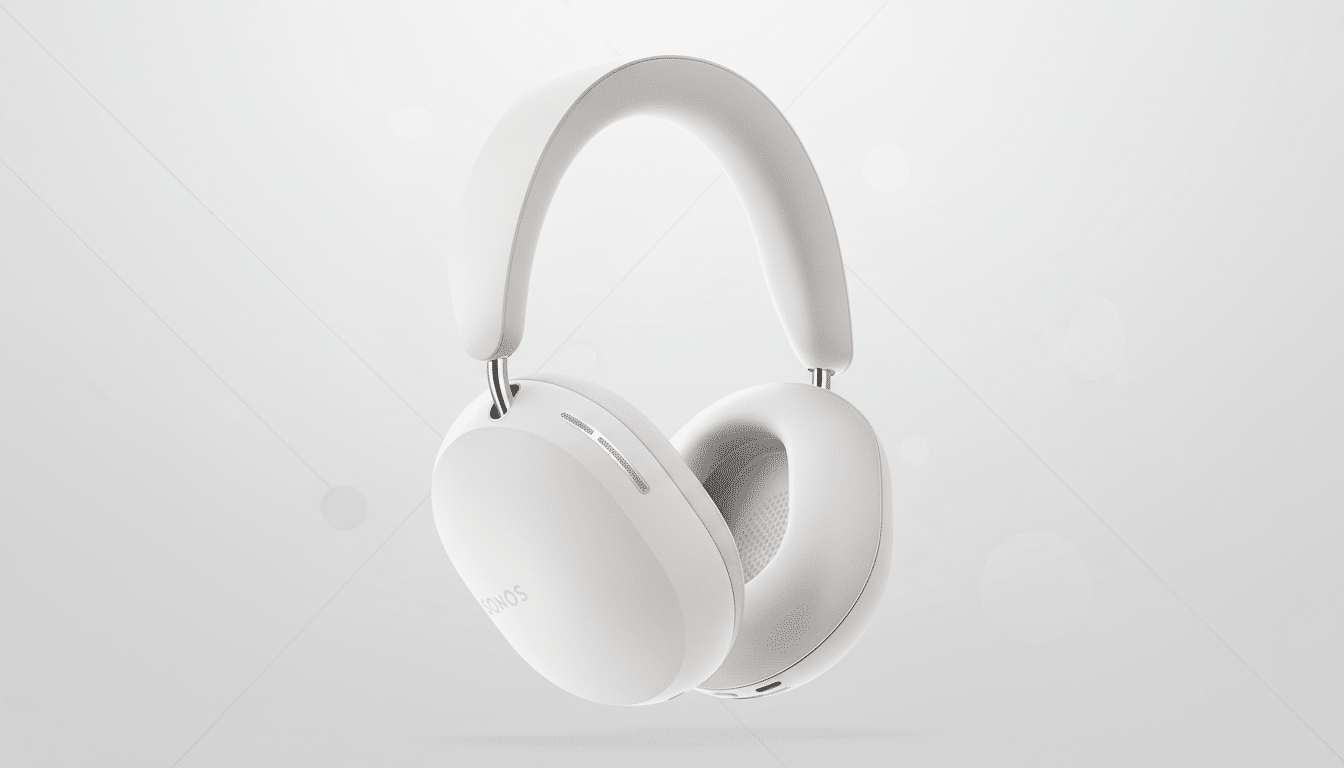
The Ace feel lighter on the head than their metal-clad rivals and clamp more gently than the latest Sony over-ears. The earcups are generously oval and deeper than most, so my ears never brush the drivers—a small detail that pays off during long edits and cross‑country flights.
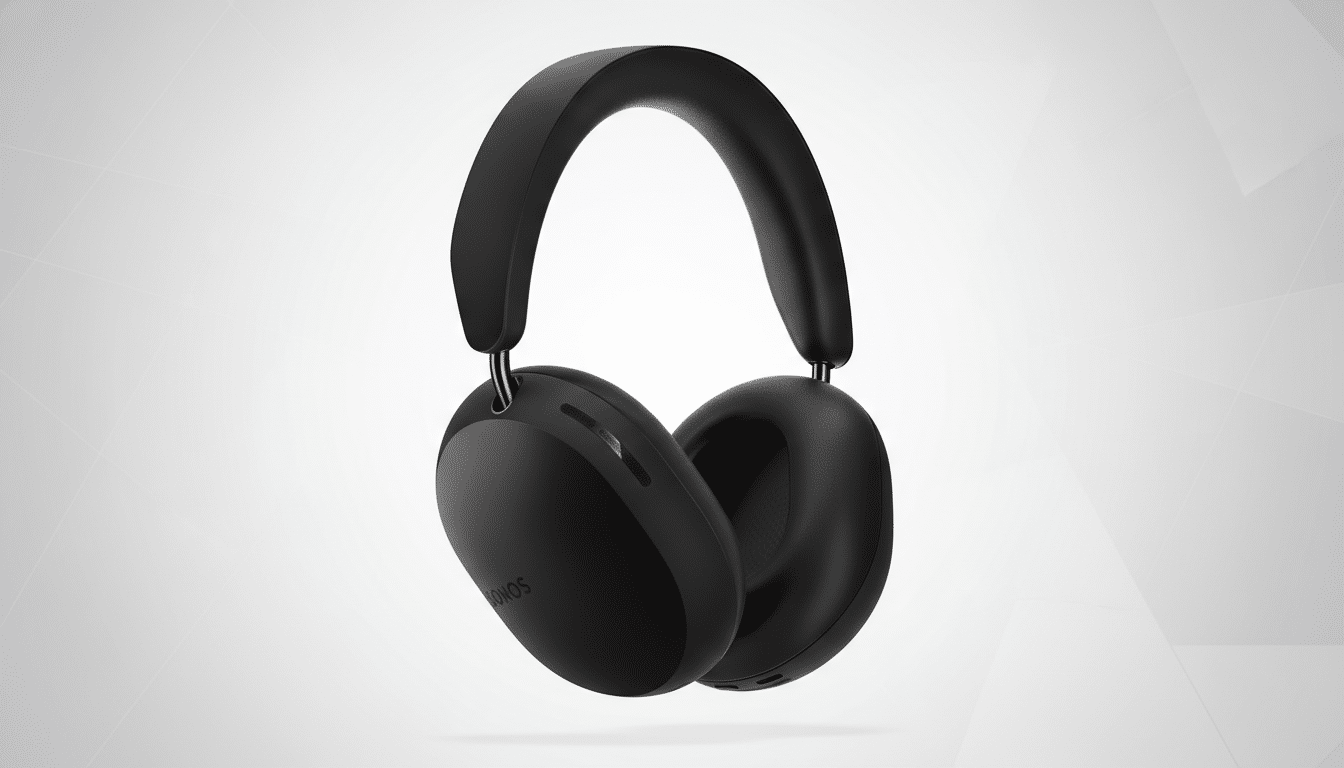
Sonos’ “Content Key” is the rare control that improves with muscle memory. The textured slider-clicker sits dead center on the right cup, so I can manage volume, playback, and calls without hunting. It’s faster and more precise than a jog dial or a field of identical buttons, and its tactile differentiation from the power key prevents accidental long-press chaos.
Sound Tuned For Movies And Modern Music Lovers
The Ace lean lively: confident bass, a bit of treble sparkle, and a stage that breathes more than Bose’s current QuietComfort line. That voicing makes pop, hip‑hop, and electronic tracks feel punchy without turning fatiguing. Push volume too high and bass can thicken, but at sane levels the presentation has an inviting, cinematic tilt that suits the way many of us actually listen—podcasts, playlists, and streaming shows in equal measure.
For micro-detail retrieval, Sony’s top model still has the edge, helped by deeper EQ tools. Sonos keeps adjustments simple in its app. The counterpoint is Dolby Atmos with head tracking that clicks into place once you run Sonos’ TrueCinema calibration. Dolby and major streamers have steadily expanded Atmos catalogs, and spatial mixes on the Ace deliver clean object placement that feels more room-like than typical closed-back headphones.
Wi‑Fi TV Audio Swap Is The Killer Feature
This is why I wear them longer than any Sony or Bose: with a tap, the Ace pull audio from a compatible Sonos soundbar over Wi‑Fi, not Bluetooth. The result is a stabler link, lower and more consistent latency, and the freedom to wander through rooms without hiccups. Bluetooth SIG has made strides with LE Audio and LC3, but real‑world TV latency via Bluetooth still fluctuates—independent testers like RTINGS have repeatedly measured triple‑digit millisecond delays on many setups. Wi‑Fi circumvents that.
In practice, I can throw on a game or a late‑night series at full clarity while someone sleeps down the hall. After last summer’s software overhaul, my early glitches with swapping and sync basically vanished, and two Ace can now join a single soundbar for private co‑watching—akin to Apple’s dual‑listen on Apple TV, but baked into the home theater chain. Add TrueCinema’s room-mapping trick, and spatial tracks retain the character of the calibrated living room even in the headphones.
ANC And Mics Still Trail The Category Leaders
Noise cancellation has improved via updates, particularly at low to mid frequencies—think HVAC or engine hum—but street chatter and sharp transients still sneak through more than on Bose’s and Sony’s flagships. Lab graphs from multiple reviewers consistently place Bose and Sony at the top for broadband attenuation, and my calls confirm it: the Ace do fine indoors, but wind, traffic, and café clatter can trip up the mic array and voice-isolation algorithms.
SideTone (sidetone monitoring) helps keep me from shouting on calls, and it’s natural enough at home. Out in the world, though, Bose and Sony remain the safer pick if your priority is commuting-grade ANC and bulletproof voice pickup.
Battery Life, Build Quality, And The Long Game Ahead
Battery life lands around the 30‑hour mark with ANC, which matches what many premium over‑ears advertise and aligns with my week-to-week runtime. USB‑C audio is a welcome fallback for lossless listening at a desk. The cups fold flat, pads snap off magnetically for easy replacement, and the finish has resisted scuffs better than I expected after being crammed into a backpack alongside a laptop stand and a field recorder.
Crucially, stability has held up. After the major firmware milestone, reconnects are quick, multipoint is dependable, and TV Audio Swap has been boring—in the best way. That reliability is what nudges me to pick the Ace when I’m already late to a meeting or trying not to wake anyone.
Who Should Buy Them And Why I Still Do Today
If you own a Sonos soundbar, the Ace are an easy recommendation. The Wi‑Fi swap alone reshapes private viewing, and the comfort plus cinematic tuning makes them a natural daily driver. If you live outside the Sonos ecosystem or prize top-tier ANC above all else, Sony and Bose remain strong bets—especially for travel and noisy offices.
But the reason these stayed on my head longer than any Sony or Bose is simple: they solve a real problem at home with fewer trade‑offs. They sound fun, feel great, and their standout feature actually stands out. That combination is rarer than it should be, and it’s why the Ace have become my default pair.
