


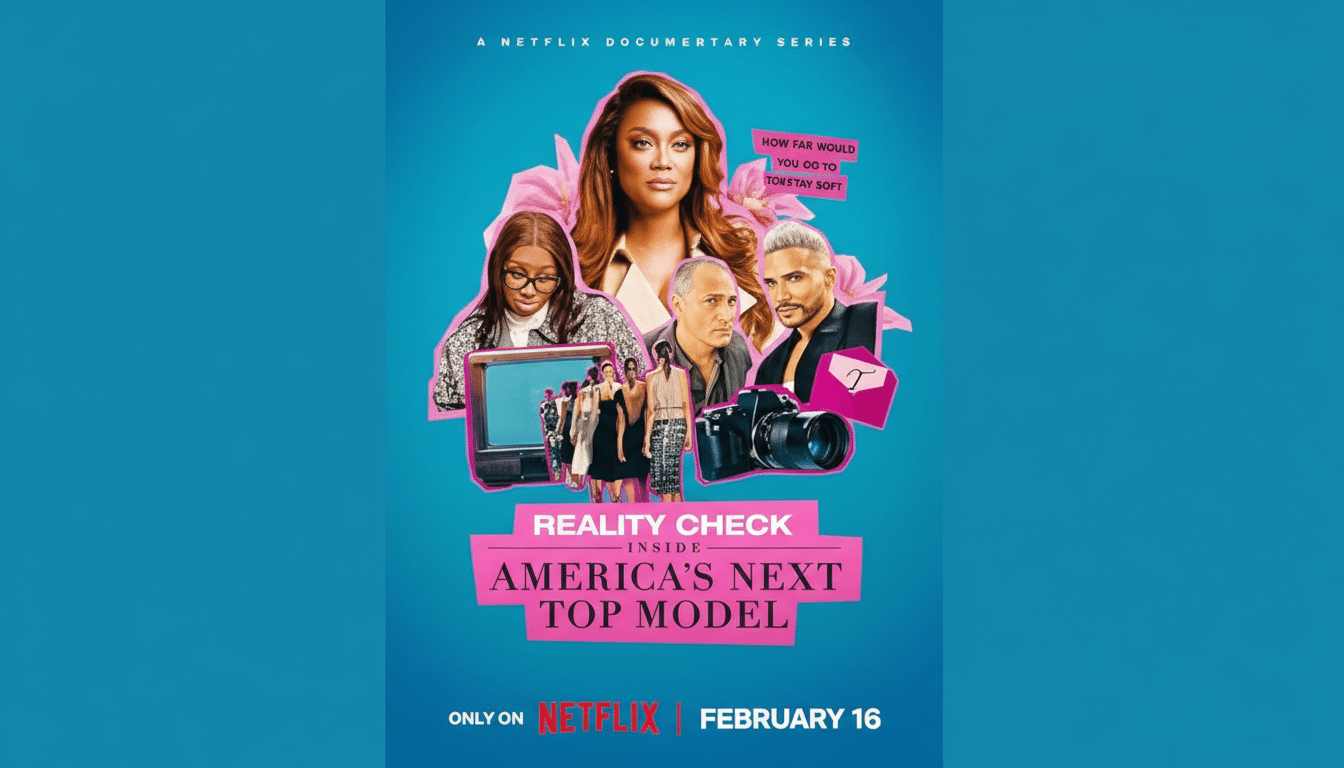
Miss J. AleXander’s candid update in Netflix’s Reality Check: Inside America’s Next Top Model has ignited a wave of emotion online, as longtime viewers rally around the famed runway coach and revisit the franchise’s complicated legacy. Clips of Miss J describing life after a stroke spread quickly across X, TikTok, and Instagram, drawing praise for his resilience and sparking pointed debates about how the show treated talent on and off camera.
An Emotional Update Sparks Online Support
Fans who grew up on his razor-sharp walk critiques and effortless camp were shaken to see Miss J explain that the stroke left him unable to walk and initially unable to speak. The series shows fellow judges Nigel Barker and Jay Manuel visiting him in the hospital, a reunion that viewers called “gutting” and “beautiful” in equal measure. Many credited Miss J—who trained 18 cycles of aspiring models—with shaping their understanding of fashion, gender expression, and confidence.
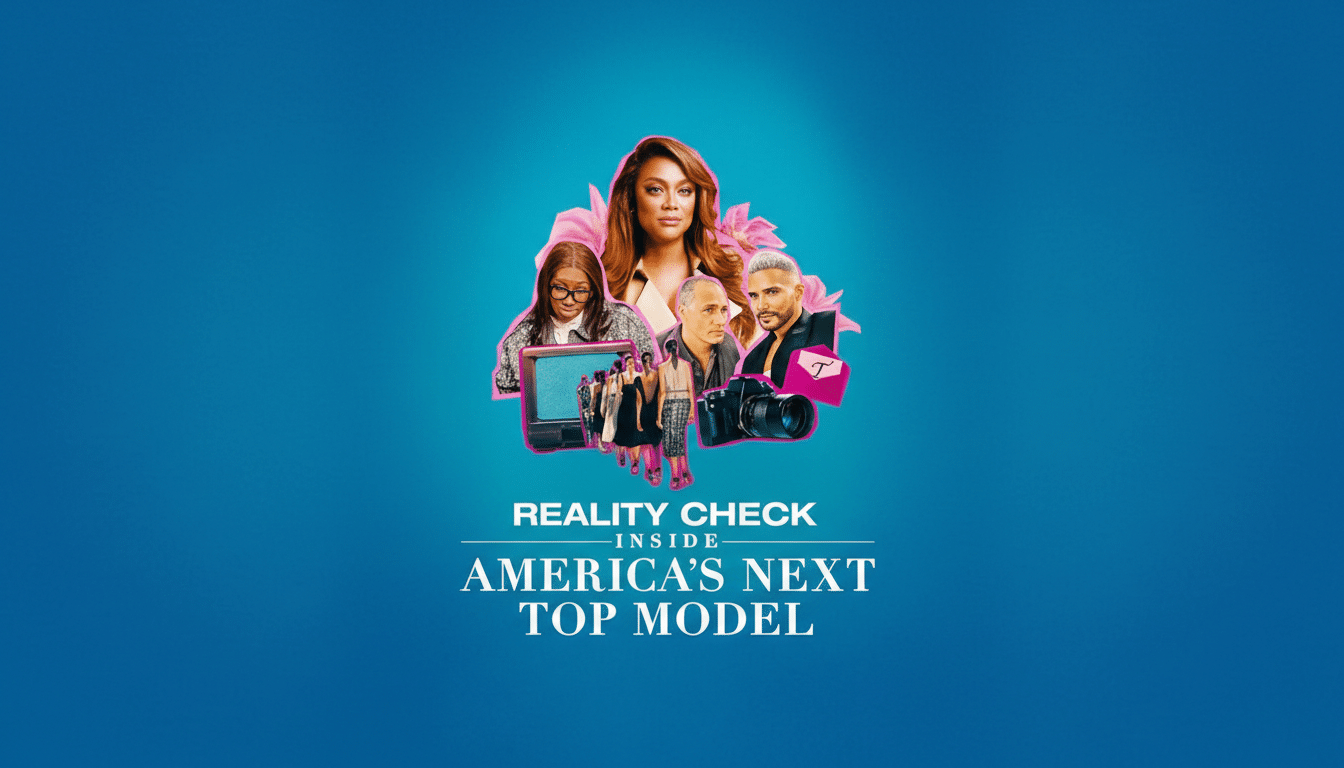
Netflix’s official social clips amplified the moment, and comments flooded in celebrating his influence as a Black, gender-nonconforming figure who made runway technique feel accessible. Users stitched archival ANTM moments with present-day messages of solidarity, underscoring how a reality TV mentor became, for many, a cultural touchstone.
Tyra Banks Faces Renewed Scrutiny From Fans Online
One exchange in Reality Check drew especially strong reactions: when asked whether host Tyra Banks had visited him, Miss J replied, “No. Not yet.” That detail ricocheted across timelines, with some fans condemning Banks and others urging restraint, noting the limits of parasocial judgment and the possibility of private outreach. Still, the moment reopened long-simmering questions about leadership, loyalty, and responsibility behind the scenes of a ratings juggernaut.
The debate didn’t happen in a vacuum. ANTM’s past is littered with controversies that have resurfaced repeatedly in the social era—from eyebrow-raising photo shoot concepts to power dynamics that left contestants vulnerable. For many, Miss J’s story reframed those conversations through a more human lens, focusing less on spectacle and more on the people who made the show work.
Reckoning With ANTM’s Cultural Footprint
Online reactions largely split into three camps.
- First, a groundswell of gratitude: threads recounting how Miss J’s coaching tips translated into everyday confidence, with viewers sharing personal before-and-afters—heels, posture, presence.
- Second, critical nostalgia: fans who loved the show but now grapple with how it handled race, bodies, queerness, and mental health.
- Third, accountability calls aimed at producers and star talent, arguing that legacy franchises owe audiences and alumni a clearer reckoning with past harms.
Media scholars have long noted that early reality TV leaned on extreme editing and contrived conflict to manufacture drama. Reality Check gives that discourse fresh traction, and Miss J’s vulnerability seems to have galvanized viewers to demand more humane standards for competition formats that promise transformation but can blur ethical lines.
Disability Visibility And Fashion’s Next Step
Another strand of reaction centered on disability representation. The Centers for Disease Control and Prevention reports that roughly 795,000 people in the U.S. experience a stroke each year, making it a leading cause of serious long-term disability. Commenters connected Miss J’s experience to broader efforts to normalize disability in fashion and entertainment, citing models like Jillian Mercado and Aaron Philip as examples of progress that still feels too rare.
Advocacy groups such as the Ruderman Family Foundation have documented chronic underrepresentation, noting that for years the vast majority of disabled characters on screen were played by non-disabled actors—figures that hovered around 95% in earlier analyses. Viewers argued that Miss J’s presence, even in a difficult chapter, can push casting and storytelling toward more authentic inclusion, both on the runway and in the writers’ room.
A Conversation Bigger Than One Reality TV Show
What started as a heartfelt update from a beloved TV personality has become a referendum on how reality franchises treat their communities. Social feeds are filled with calls to celebrate Miss J’s contributions—his encyclopedic technique, the levity he brought to high-pressure shoots, and the permission he gave viewers to be unabashedly themselves—while also pressing industry leaders to confront old habits.
If the sustained engagement is any indication, Reality Check has tapped a deep well of memory and meaning. Miss J’s story isn’t just nostalgia; it’s a prompt for viewers, producers, and fashion gatekeepers to rethink care, representation, and what true mentorship looks like when the cameras stop rolling.
