


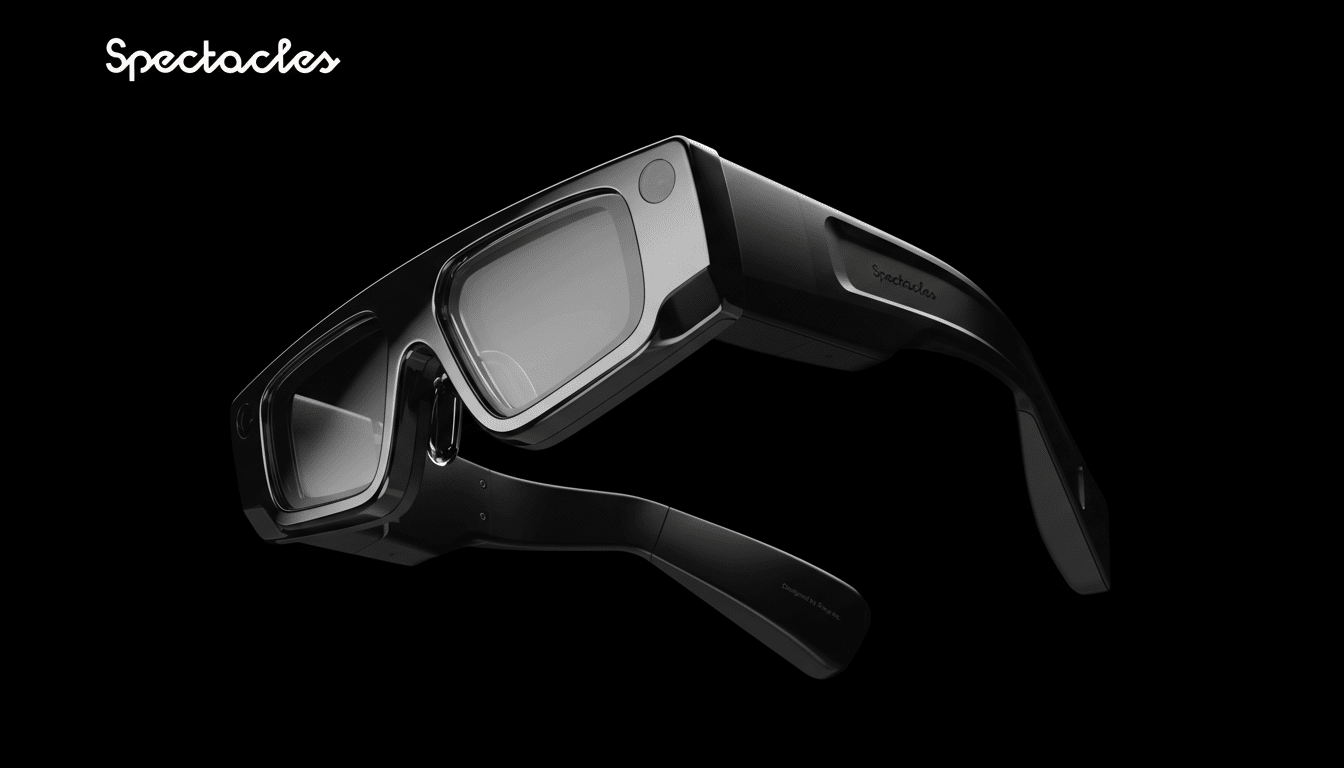
Snap has lost a key leader behind its next-generation augmented reality glasses just as the product nears market. Multiple industry reports indicate Scott Myers, senior vice president overseeing Specs, recently exited the company after a strategy dispute with CEO Evan Spiegel, injecting uncertainty into one of Snap’s most closely watched bets.
While Snap has not detailed the circumstances of the departure, a company spokesperson said the launch remains on track this year and that the team is continuing to execute. Even so, a senior change at this stage can ripple through decisions on features, partnerships, and go-to-market plans.

The timing is striking. Snap only recently carved the project into a standalone subsidiary, Specs Inc., a structural move meant to sharpen focus and speed delivery. That reorg signaled board-level conviction in hardware; losing the executive atop that effort raises fresh questions about continuity and ownership as the finish line approaches.
A Leadership Shakeup As Specs Nears Market
Myers joined Snap in 2020 after roles at SpaceX, Apple, and Nokia, bringing a mix of advanced manufacturing and consumer hardware chops. He had been a public champion for a lightweight, socially acceptable form factor—once joking in an interview that nobody wants a wire dangling from their head—underscoring the team’s push for all-day wearability.
Snap’s hardware path has been bumpy. Early Spectacles were buzzy but niche, and the company famously took a sizable inventory write-down several years ago when first-gen units didn’t sell through. Since then, Snap has kept iterations tight, seeding creator editions and developer kits while building a deeper AR stack.
A crucial ingredient is display tech. Snap acquired WaveOptics, a leading waveguide maker, to secure a pipeline for compact AR optics—one of the industry’s hardest problems. Integrating waveguides with cameras, compute, batteries, and thermal management inside a fashion-forward frame is a balancing act that rewards steady leadership.
Why Timing Matters for Snap Ahead of Specs Launch
Snap’s software-led AR ecosystem is large and growing. The company has said more than 250 million people engage with AR on Snapchat every day, and creators have built millions of Lenses via Lens Studio. Specs is the logical hardware endpoint: a device that takes Snap’s camera-first ethos off the phone and into the world.
The market is still early. IDC and CCS Insight have both noted that consumer-grade AR glasses shipments remain under 1 million units annually, constrained by cost, optics, and battery life. Yet momentum is building at the edges. Meta’s Ray-Ban line is normalizing camera glasses for mainstream use, while Apple has stoked demand for spatial computing at the high end. Snap must thread a needle: deliver meaningful utility without sacrificing style, privacy, or price.
Leadership turnover this close to launch can slow decision loops or introduce risk to supply plans, but it is not automatically a derailment. Big tech products have shipped through late-stage shakeups before. The critical test is whether Snap can lock scope, hold vendor timelines, and preserve a clear point of view on what Specs does brilliantly on day one.
What Happens Next for Snap’s Specs Program
In the near term, expect a sprint to finalize hardware and software features, complete regulatory certifications, and harden reliability. Snap will also need to clarify distribution: limited creator-first release to seed content, or a broader consumer rollout via retail partners. Pricing and service plans remain strategic levers that could make or break adoption.
Internally, a successor to Myers will need to command credibility across design, optics, silicon, and operations. The company has a bench to draw from, including veterans from its WaveOptics unit, but it may also court outside talent with experience shipping mass-market wearables.
For developers and brands, the open questions are practical:
- Battery life
- Brightness outdoors
- Camera fidelity
- Comfort over hours
- Input methods
- How Snap’s AR stack extends beyond the phone
Privacy signaling—such as clear recording indicators—and robust on-device processing will be crucial for trust and regulatory posture.
Snap says it remains committed to bringing Specs to market this year and to supporting its creator and partner ecosystem. If the company converts its massive AR engagement into a compelling wearable, it could create a new surface for commerce, messaging, and real-time creativity—one that competitors will be forced to answer.
The Bottom Line on Snap’s Specs Leadership Change
Losing a top Specs executive at the eleventh hour is a stress test of Snap’s hardware resolve. The opportunity is real but unforgiving: marry breakthrough optics and all-day comfort with experiences people will use every hour, not every week. The team’s next moves—communication, continuity, and crisp execution—will determine whether Specs arrives as a statement product or another promising prototype.
