


“Smartphone pinky” is now more than just meme fodder. An increasing minority say the little pinky hurts or feels indented after holding up a phone for hours on end, and hand specialists are hearing about it in clinics. The growing size and weight of our devices, coupled with the increased duration of screen time, puts a peculiar strain on one small digit that wasn’t meant to double as a shelf.
What Is Smartphone Pinky and Why It Happens
It isn’t an official diagnosis. It’s a catch-all for pain, tenderness, or numbness along the little finger and the ulnar side of the hand due to cradling a phone with the pinky under it. That position puts more weight on the base of the hand and can stress soft tissues and irritate the ulnar nerve, which runs to the ring and little fingers.
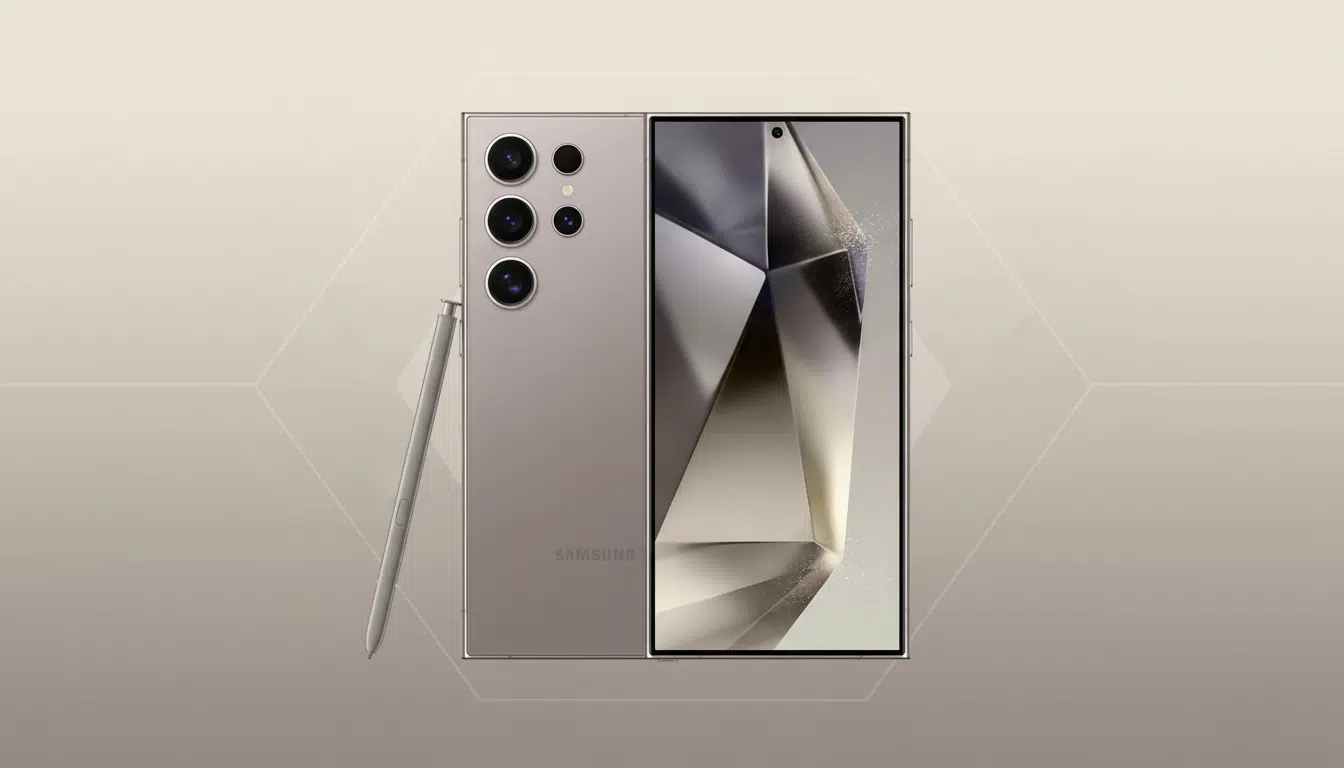
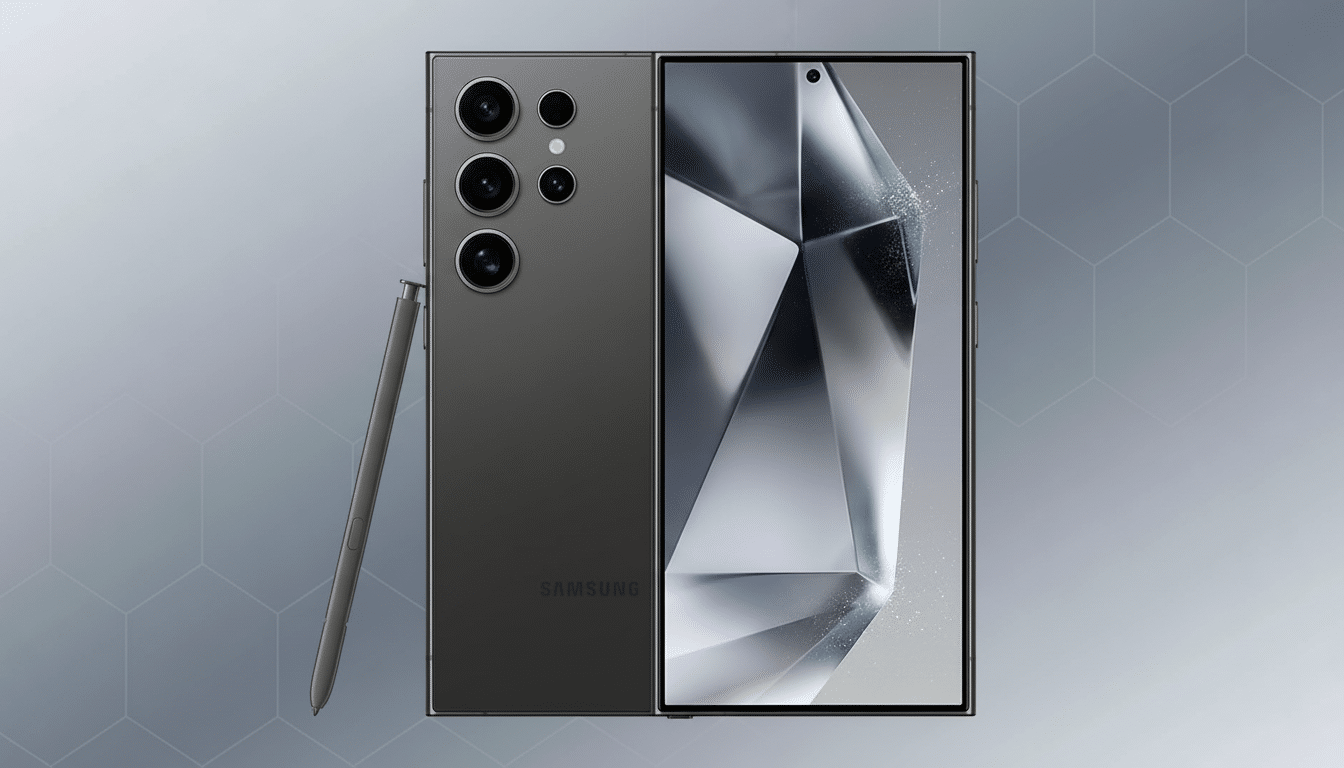
Modern phones amplify the load. Screens are routinely now more than 6.5 inches and many flagships weigh well over 200 grams. In comparison, the Galaxy S24 Ultra is around 232 g, iPhone 15 Pro Max comes in at 221 g, and the Pixel 8 Pro weighs around 213 g — from a mainstream perspective, any of these weights are about twice what phones weighed some ten years ago; naked handsets frequently came under the solid-grip benchmark of 150 grams. In this context, add in your rugged case and suddenly you’ve got a moment across your screen that transfers force to the pinky as a lever.
Hand surgeons say the “pinky dent” images being shared online are misleading — bone and soft tissue aren’t literally changing shape as a result of phone use.
But as the American Society for Surgery of the Hand points out, repeated stress can irritate tendons, aggravate joints, and irritate the ulnar nerve, which can cause aching, tingling, or weakness.
What the Data and Experts Are Saying About Pinky Pain
Time on phones keeps climbing. Industry analyses from Data.ai estimate that users in key markets now spend an average of about five hours per day in mobile apps. More time sitting or hunched over in the same position adds more stress over time — what ergonomists call “low-load, long-duration” strain.
Peer-reviewed research connects heavy smartphone use with discomfort in the upper limb. Research papers in journals such as BMC Musculoskeletal Disorders and Applied Ergonomics reveal how 30–65% of heavy users suffer hand or wrist pain, especially those who text and scroll for several hours, hold their devices in one hand, or own larger phones. While “smartphone pinky” is not specifically identified as a diagnosis, the ulnar side of the hand stands out for its pain.
Practitioners also distinguish between fleeting soreness and red-flag symptoms. Shriner also notes that if erasers are used on a sore, which often contain harmful and volatile irritants to the skin, any hand sanitizers or rubbing alcohol solutions can cause these materials to enter cuts in your hands and fingers.
How to Relieve and Prevent Smartphone Pinky Pain
- Change the grip. Do not lean on the little finger. Instead, brace the phone with index and middle fingers in back and thumb on the side, or use two hands for scrolling and typing.
- Add hardware help. A thumb ring, strap case, or a collapsible grip can unload the pinky and (in the last two cases) draw your phone’s center of mass closer to your hand. Slimmer cases can reduce weight without hurting ergonomics.
- Take microbreaks. Set the phone down for 30–60 seconds after every 20–30 minutes. Switch hands when feasible, and opt for voice dictation on long messages to minimize thumb and pinky exertion.
- Mind the reach. Big screens may force the pinky to take the weight while the thumb reaches for distant icons. Turn on one-handed mode, shift commonly used controls to the bottom, and make touch targets large enough so you won’t overreach.
- Care for tissues. Gentle tendon glides and forearm stretches may help, but avoid aggressive “nerve flossing” without guidance. If soreness persists, rest it for a day or two, ice after heavy use, and consider over-the-counter anti-inflammatories; ask a clinician if you’re not sure.
When You Should Consult a Professional for Hand Pain
Consult a professional if you experience constant tingling in the little or ring finger, diminished grip strength, clumsiness, or pain that does not improve after a week of changing how you use your hand. A clinician can exclude ulnar neuropathy, tendonitis, or joint problems and devise a plan of activity modification, splinting, and directed therapy.
The Bottom Line on Smartphone Pinky and Hand Strain
Smartphone pinky isn’t an official diagnosis, but the pain is real — and an increasingly common woe as phones expand and our attention spans shrink. A few ergonomic adjustments, shorter sessions, and an alternate hand grip can do wonders. Have you ever felt that telltale pain in your pinky after a long scroll? If so, your pinky knows something that a phone doesn’t.
