


Bulky Bluetooth fobs are giving way to credit-card thin trackers that slide into a wallet, badge holder, or passport sleeve. A new crop of ultra-slim cards compatible with Apple’s Find My network is accelerating the shift—helped by aggressive promos, including a headline 60% price drop on one new model that’s put this form factor on more shortlists.
Why Card-Style Trackers Are Rapidly Taking Off
Most key-fob trackers measure 6–9mm thick and create a bulge in wallets or tight pockets. Card trackers typically land around 1.5–2.5mm—roughly two to three credit cards stacked—yet deliver the same core features: global crowdsourced location, separation alerts, and an audible ring to help you find items nearby.
- Why Card-Style Trackers Are Rapidly Taking Off
- How Slim Tracking Cards Compare With Key Fobs
- Compatibility And Networks Across iPhone And Android
- Battery Life And Charging Options For Slim Cards
- Use Cases From Wallets To Travel And ID Badges
- Privacy And Safety Features For Modern Card Trackers
- What To Look For Before You Switch To Slim Cards
The design solves a simple problem: people don’t want to change how they carry essentials. A card fits where a card belongs. No extra holsters, no lumpy pockets, no taped-on discs.
How Slim Tracking Cards Compare With Key Fobs
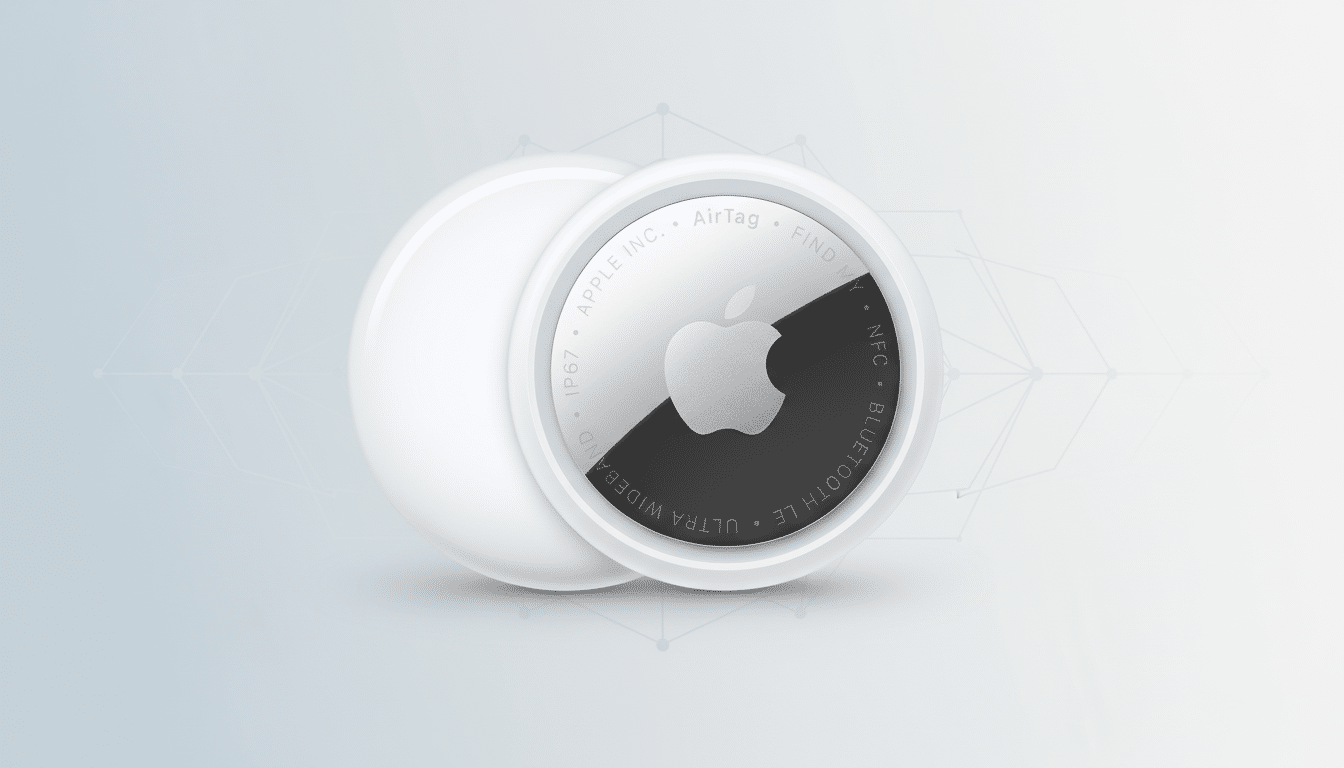
Card trackers concede one feature to puck-style tags: ultra-wideband precision pointing. Apple’s AirTag and select Android tags with UWB can guide you to a lost item with an on-screen arrow. Most card trackers skip UWB to achieve their thin profile, relying instead on Bluetooth signal strength and crowdsourced updates from nearby phones.
In practice, that trade-off is minor for wallets and passports, which are usually stationary or easy to retrace. The flatter, more discreet footprint often outweighs the lack of UWB.
Compatibility And Networks Across iPhone And Android
On iPhone, Find My-compatible cards tap a vast network of Apple devices. Apple has said the Find My network is powered by hundreds of millions of iPhones, iPads, and Macs, which securely relay a lost item’s location in the background. For Android users, Google expanded its Find My Device network in 2024 with end-to-end encrypted location relays, improving coverage for compatible tags.
Third-party options span both ecosystems. Wallet-friendly cards such as Chipolo Card Spot, Eufy SmartTrack Card, and Pebblebee Card support Apple’s Find My, while Android-focused versions are emerging alongside Google’s revamped network. Mixed-device households should pick a platform and stick with it for the best experience.
Battery Life And Charging Options For Slim Cards
Most slim cards fall into two camps: sealed batteries that last 1–2 years, and rechargeable units that run 3–6 months per charge via USB or a magnetic puck. Sealed cards avoid charging hassles but must be replaced when depleted. Rechargeable models cut waste and long-term cost but add a charging routine—think of it like topping up an e-reader a few times a year.
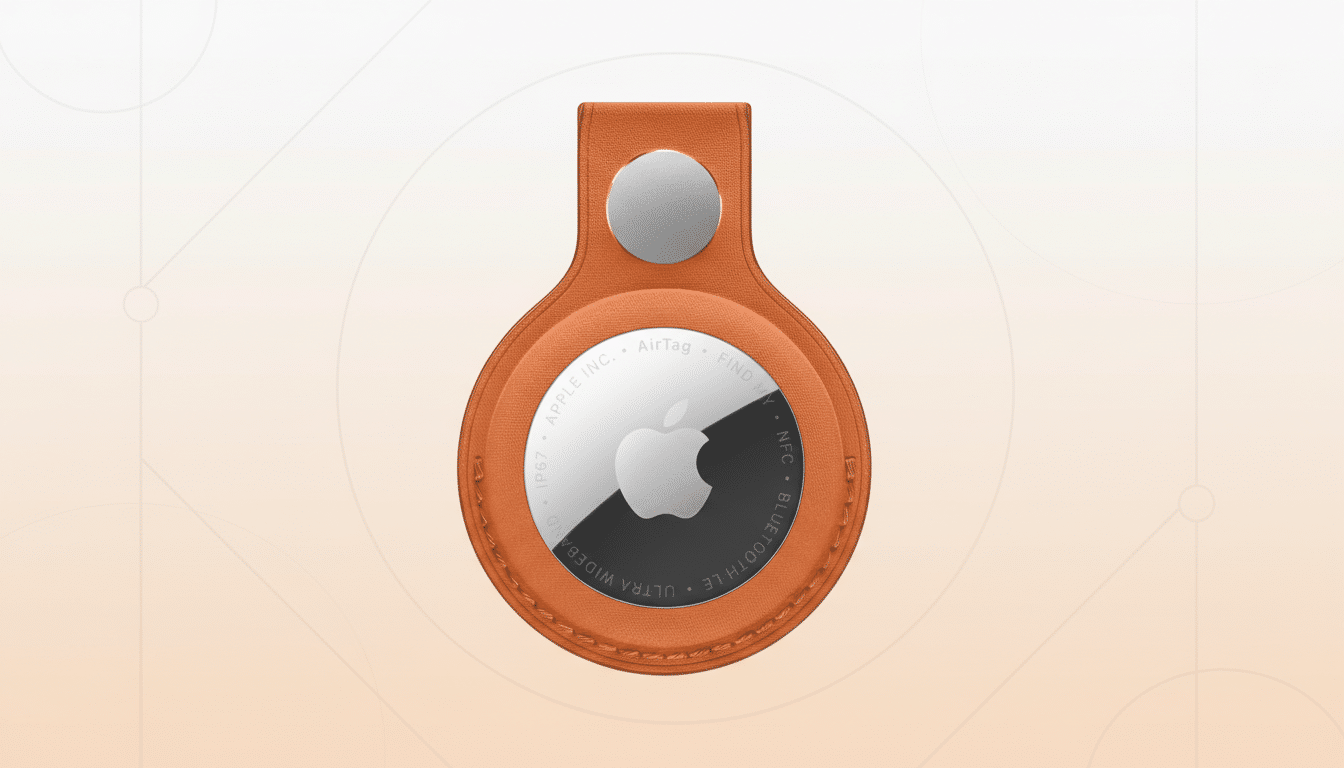
By contrast, puck-style trackers often use a standard coin cell good for about a year. If you’re set on the card form factor, either battery approach works; prioritize rechargeability if you dislike disposable cells or want a lower total cost of ownership.
Use Cases From Wallets To Travel And ID Badges
Cards shine in wallets, passport holders, ID lanyards, and slim crossbody bags where space is at a premium. Frequent flyers have embraced them for checked luggage as airlines continue to grapple with mishandled bags. Industry analyses such as SITA’s annual Baggage IT Insights report consistently show millions of bags mishandled worldwide each year—peace of mind is worth the grams.
They also solve a classroom and workplace problem: trackable staff and student IDs without adding a separate tag. Some models include a discreet keyring cutout for keys and gym fobs when a wallet slot isn’t an option.
Privacy And Safety Features For Modern Card Trackers
Modern card trackers inherit the same safety standards as their fob counterparts. Apple and Google jointly rolled out cross-platform unwanted tracking alerts in 2024, so an unknown tag moving with you prompts a notification on both iOS and Android. Within Find My or Find My Device, owners can play a sound, mark items lost, and show a contact message to someone who finds them.
It’s also worth checking IP ratings. Some card trackers offer water resistance suitable for the occasional spill or rainy commute; others skip formal ratings to stay thin and light.
What To Look For Before You Switch To Slim Cards
Match the card to your ecosystem first—Find My for iPhone users, Find My Device for Android. Then weigh battery style, loudness (a ring you can hear from another room matters), and build quality. If you travel often, consider models with strong speaker cutouts and solid enclosures that won’t flex in a stuffed wallet.
Finally, price trends favor going slim. Card trackers now routinely dip below the cost of premium puck tags, and limited-time promos have pushed some models down by as much as 60%. For most people, that makes replacing a bulky tracker with a sleek, wallet-ready card an easy upgrade.
