


Samsung landed with a straightforward thesis for the smart home: basically, if it’s got power, it should be smart. The company’s AI Living Exhibit featured a wall-to-wall “Companion to AI Living” strategy that essentially wove TVs, appliances, phones, wearables, and even oddball lifestyle gadgets together into one thick responsive mesh. It is less a lineup of products than it is a worldview—one in which every domestic task can be anticipated, optimized, or yoked to data by software.
Everything Matches in a House with Unified AI Control
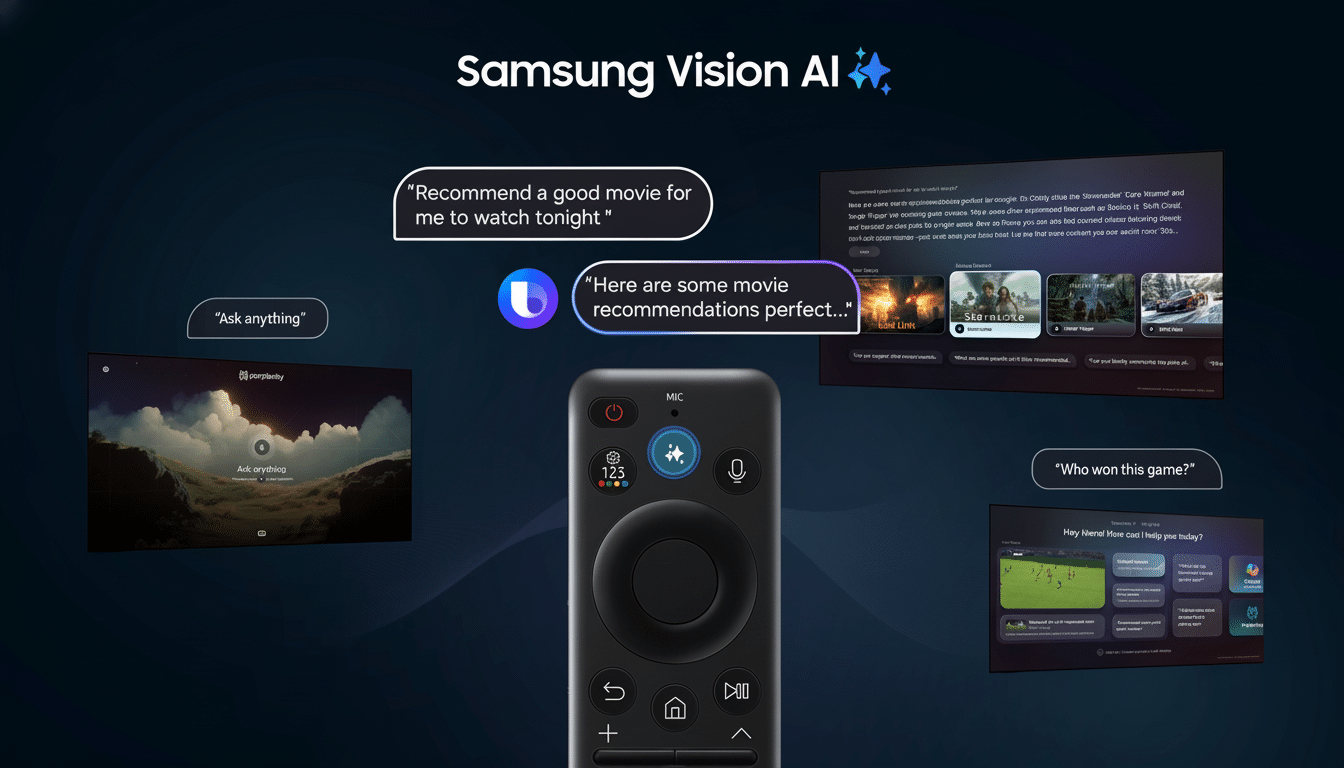
At the hub of it all is Samsung’s Vision AI Companion, a hub-like brain that ostensibly processes intent across devices. Think of it more as orchestration than control: your TV could recommend dinner while you’re watching a game, the fridge will verify those ingredients are available, an oven can preheat just in time, and laundry can sync with your calendar so the drum stops when you walk back inside. The experience relies on the deepening automation of SmartThings, but the pitch here is that AI turns if-this-then-that rules into “do the right thing” flows that adjust themselves according to context.
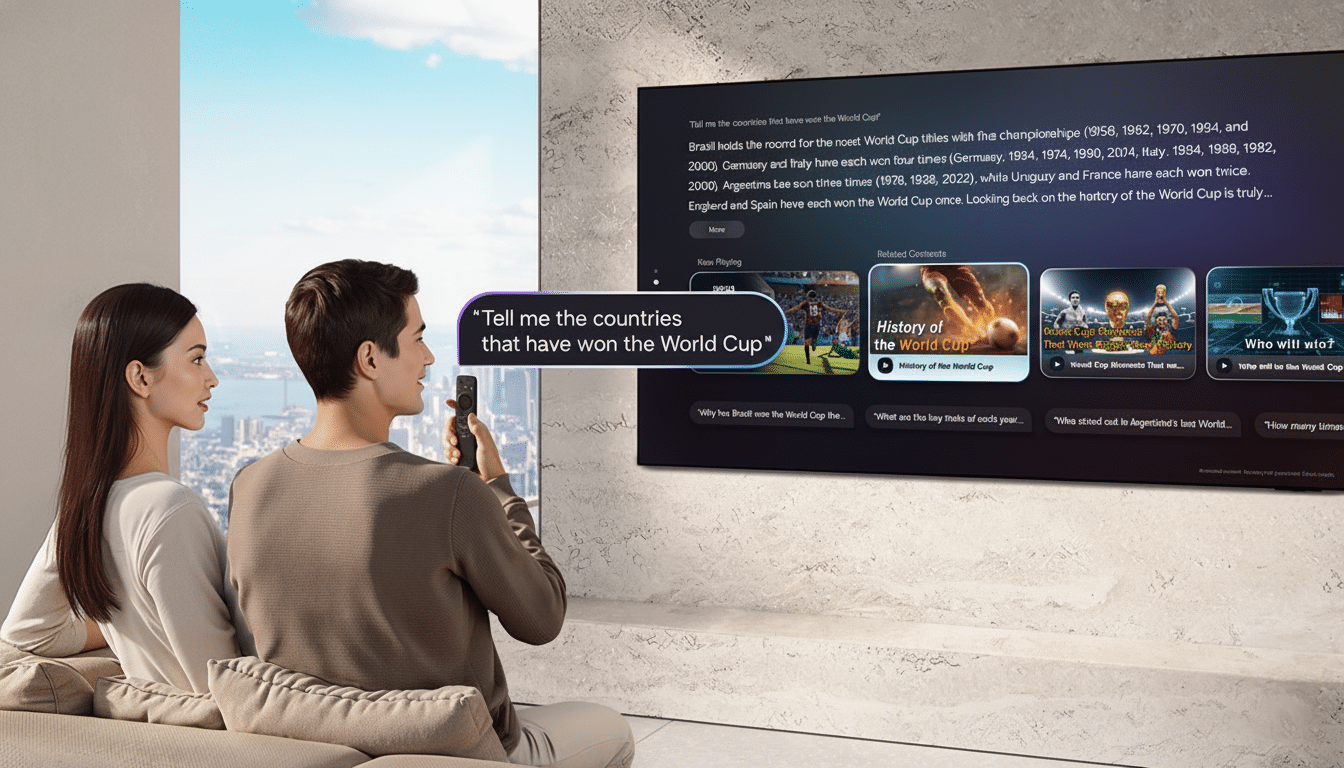
This is the direction the industry had been heading. And the Connectivity Standards Alliance, which is responsible for Matter, has been expanding the scope to encompass larger appliance categories and more detailed energy features that would allow cross-brand routines that don’t fall apart when you switch out hardware. Samsung’s bet is that layering computer vision, voice understanding, and on-device inference on top of that interoperability finally makes the system feel natural instead of nerdy.
A 130-inch Micro RGB TV with Live AI Audio Tricks
Headlining the bunch, however, was a first-of-its-kind 130-inch Micro RGB TV. In addition to the boilerplate about contrast and color, Samsung laced its presentation with AI tricks that warp content in real time. Sports fans can squelch commentary to hear nothing but the crowd, or crank up the broadcast energy to living room–thrilling levels. Under the hood, that means powerful source-separation models that can pull voice apart from background noise and even pull it apart to restitch it on the fly—tech we’ve seen cropping up in studios creeping into living rooms.
Picture tuning is also AI-ed up. Rather than static presets, the display reads scenes to modify its own motion handling, tone mapping, and upscaling in real time. These aren’t groundbreaking features for a premium set, but the assertiveness of it is: Samsung wants the TV to make that call without you having to dig through menus, a subtle pivot from “assistive” to “autonomous.”
Appliances with Game Mechanics for Smarter Kitchens
The argument for “AI living” was probably made most pithily in the kitchen demo. An AI-enhanced inventory scan recommends recipes based on what you have, gamifies decisions with nutritional and cost badges, and sends timed instructions to the oven or cooktop. It’s a cheeky interpretation of a category that typically buries intelligence in energy dashboards and timers.
And there’s a practical upside if it transcends novelty. If ovens, washers, and HVAC systems sync up, they can schedule the most energy-gulping tasks to be spread out over time or plan quiet cycles around your needs. The energy and water management functionality baked into Matter’s latest updates suggests a kind of cross-industry roadmap; Samsung’s spin is to bake in enough device-specific capabilities so that the optimizations are generally invisible to the user, resurfacing only when you decide you just need stuff done now.
Design for Joy, Not Just Utility, in Home Technology
Not everything was utilitarian. This OLED “record player” doesn’t play vinyl, but certainly looks the part, along a design trend: tech that pretends to be decor. It’s a small sign that the public’s embrace of technology strongly turns on sentiment. If a gadget is something that’s going to make you smile, then it has earned pride of place on your shelf and in your life; only at this point does the software get a chance to prove that it actually does something helpful.
Tri Fold Teaser Points to Mobile Ambition
Hidden among them was the Galaxy Z Tri Fold, a three-panel device announced without much fanfare. The model is already for sale in South Korea, where the price converts to about $2,400, and early verdicts from reviewers have been mixed: raves for screen real estate and multitasking are accompanied by gripes about bulk and app readiness. The muted presentation indicates Samsung is saving the big “they-have-a-dream” speech for a dedicated event, but it’s not hard to read between the lines: folding isn’t really a category as much as it’s just another platform.
When it comes to the smart home, the Tri Fold is less of a novelty and more of a control surface, and capable of hosting dense system views (energy consumption, routines, camera feeds) without feeling like a compromise. The open question is whether third-party apps and web experiences make use of tri-pane layouts and handoff with TVs and appliances as cleanly as the demos suggest.
What’s Real and What’s Hype in Samsung’s AI Vision
Not every chore requires machine learning, and Samsung certainly isn’t the only one investing in whole-home smarts—LG trotted out an AI robot butler, while platform enablers like Amazon and Google are expanding the scope of assistant-driven automations. The differentiator will come down to reliability, privacy, and graceful failure modes. On-device processing can help cut down latency and keep more data at home, but the experience must also make do with patchy connectivity and mixed-brand households.
Analysts have frequently stated that the growth of smart homes depends on things being able to talk to each other and on clear value, not just nifty demos. The vision on offer is Samsung attempting to have its cake and eat it, too: standards where required, proprietary magic where desired. If the company can bring that same polish from show floor to shipping products—especially around midrange price tiers—then maybe, just maybe, this idea of “AI living” will cease being a marketing phrase and start becoming a daily habit.
