


Samsung might have just inadvertently shown off its upcoming flagships. Twists embedded in the company’s One UI 8.5 code suggest final rear designs for the Galaxy S26, Galaxy S26 Plus and luxury box-office draw, the Galaxy S26 Ultra, seemingly confirming previous whispers while offering an unusually early look at a brand’s range into 2025.
What One UI 8.5 software reveals about Galaxy S26 models
One UI 8.5 assets contain device images related to three internal codenames, M1, M2, and M3. It’s naturally assumed based on the convention as well as previous leaks that M1 and M2 are the Galaxy S26 and S26 Plus, while M3 refers to the Galaxy S26 Ultra. That’s not a schematic line drawing — it’s a polished render most often seen in setup flows, tutorials, or device care screens on top, where Samsung generally caches model-accurate artwork.
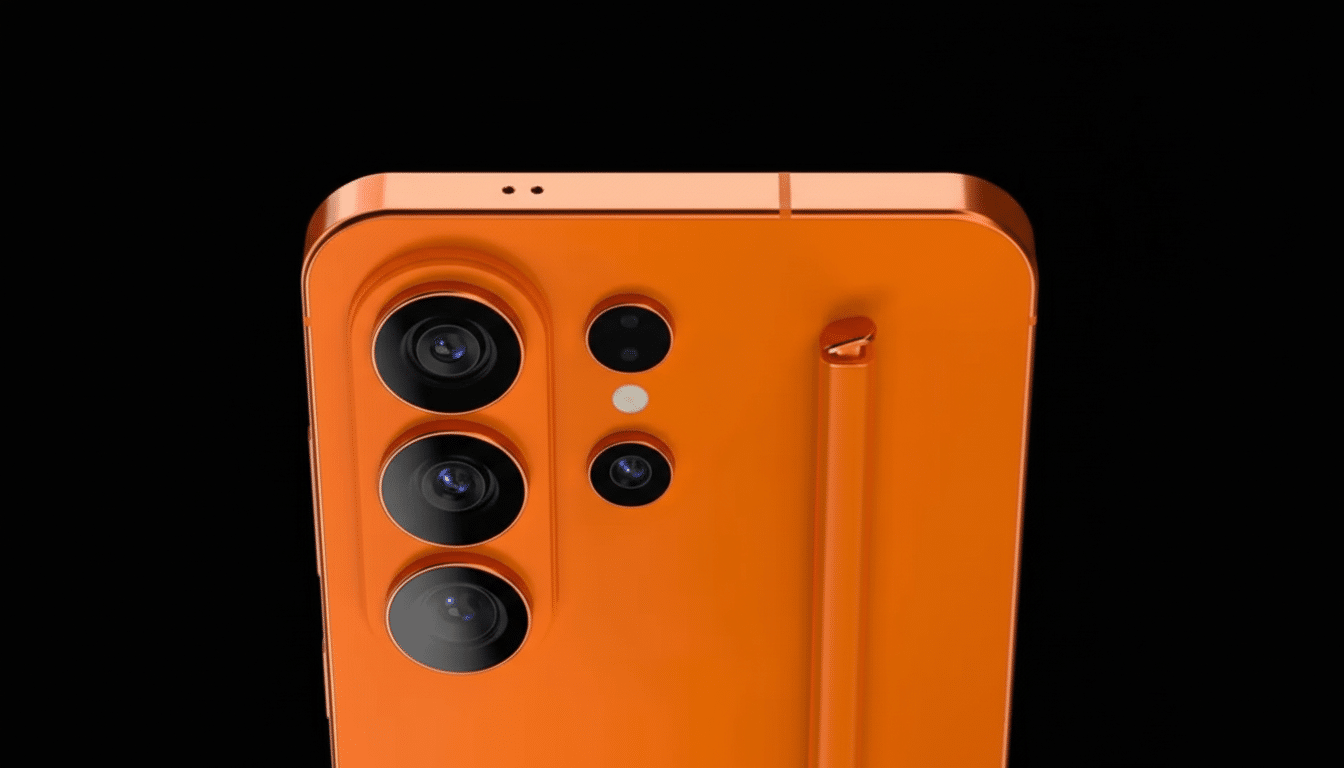
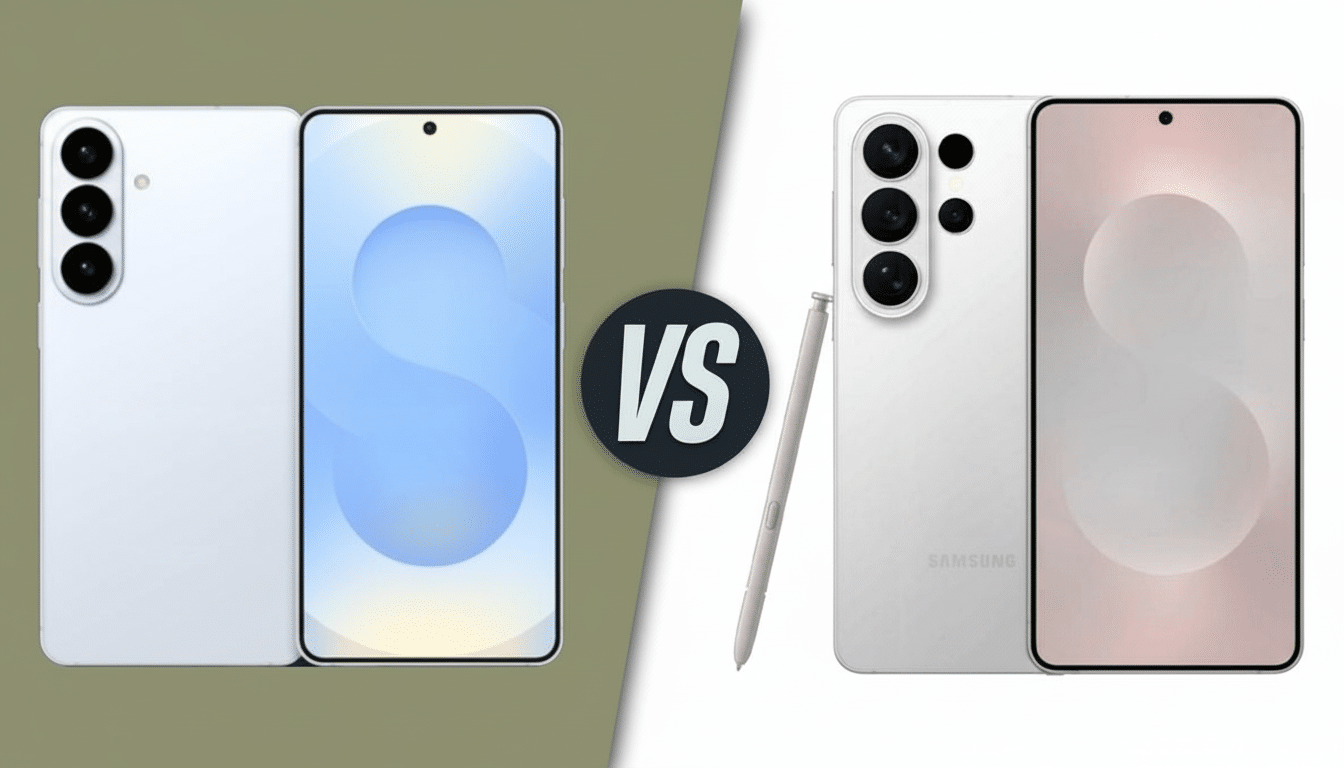
The S26 and S26 Plus sport a vertically stacked triple-camera system in a single camera island. This is a visual move away from the floating individual lens rings seen on recent non-Ultra Galaxy S phones. The S26 Ultra render, meanwhile, depicts three vertically stacked rear cameras in a larger island — accompanied by two more sensors situated outside the main column — echoing rumors of a more complex imaging setup.
How the internal codenames map to Galaxy S26 models
It is not uncommon for Samsung’s flagship families to use internal codes during the development and certification process to disguise final branding. While the company rotates code patterns every generation, a base/plus/ultra triumvirate is common, and M1–M3 fit that cadence. That’s also why months after retail names, accessory makers and certification filings often mention these tags, which make codename congruence a powerful early authenticity signal.
It’s also worth mentioning that these images emerged accompanied side by side with other device-specific strings in One UI 8.5 rather than as part of marketing collateral. Firmware-based assets are unlikely decoy candidates as they have to work properly with the system apps and typically get updated late in the development cycle to prevent mismatch errors.
Design details hint at Samsung’s evolving camera strategy
The switch to a dedicated camera island on the S26 and S26 Plus might therefore be about more than just looks. A continuous housing makes the structure more rigid for bigger sensors, simplifies gasket sealing to be water-resistant and can even assist in cooling image processing components. It also allows for thicker modules — a necessity if you want higher-quality optics or sensor-shift stabilization.
For the Ultra, the three-in-a-column design with two coupled sensors implies a multi-focal system that is in keeping with Samsung’s focus on long-range zoom as well as a high-resolution primary camera. Earlier Ultra models cribbed a broad main shooter with dedicated ultrawide and periscope-style telephoto; the additional apertures typically house a secondary telephoto, plus laser autofocus or spectrum sensors. The new island may make it possible to shrink tolerances between modules, with a knock-on benefit of potentially better cross-camera calibration and portrait consistency.
Significantly, reliable tipster Steve Hemmerstoffer (aka OnLeaks) had already posted CAD-based renders that suggested the same setup. When Samsung’s own software art is lining up with those dimensions, it sort of implies that the design isn’t too far away from being final.
Charging clues in One UI 8.5 hint at faster power speeds
In addition to the renders, One UI 8.5 reveals Super Fast Wireless Charging and Super Fast Charging 3.0 references. To wit, the Galaxy S24 Ultra being offered today on Samsung only can hit a 45W data cable and 15W wireless charging bucket, labeled grandiosely as Super Fast Charging and Super Fast Charging 2.0 in varying markets. A 3.0 label suggests a new power profile — perhaps higher wattage, a tweaked PPS curve for better sustained speeds or an alignment with the magnetic Qi2 standards launching across the industry.
And although the wattage isn’t specified, Samsung has remained relatively conservative with its headline numbers in favor of more aggressive thermal management. And if 3.0 does arrive, think that the upgrade will be more about improving time-to-50% reductions, longevity protections and better charging efficiency than a straight-up peak spec. Any wireless gains may also jive with the greater Qi2 accessory ecosystem, broadening cross-device compatibility and accessory selection.
Why this software-based leak matters for Galaxy S26 buyers
Leaks that come from software are more reliable than grainy factory photos, because they are linked to the functions of the system and they pass through internal QA.
They also give accessory manufacturers enough info to start fabricating cases and lens protectors — an early indicator that industrial design is set. For consumers, this paints a clearer picture of where Samsung is driving its mainstream flagships: toward curvier camera housings and another return to charging.
It’s a significant moment for the company. Samsung consistently vies for the No. 1 spot in worldwide smartphone shipments, and hovers around the 20% mark in recent quarters, IDC said. The S26 family is going to be key in keeping that lead — particularly as rivals continue to lean into AI features and faster charging as differentiators. With One UI 8.5 now effectively teasing the hardware, all eyes are on the final camera specs, which chipset Samsung picks and how far it will push charging without affecting battery health.
In essence, the company’s own software has done what leakers usually do: confirm the appearance and tease some of the features of its next Galaxy S iteration. Barring a few sudden changes, we can also expect the production phones to look nearly as they are in these images already.
