


Samsung is testing variable aperture camera hardware again, signaling a potential comeback for a feature it once pioneered and later shelved — and the timing looks aimed squarely at Apple. A report from ETNews says Samsung has tapped key partners to build early modules, with internal evaluations already underway, underscoring how quickly the mobile camera race is moving back toward hardware innovation after years of software-first gains.
Why Variable Aperture Could Be A Big Deal
A variable aperture lets a phone physically adjust the lens opening, controlling light intake and depth of field without resorting solely to software tricks. Open wider in dim scenes for brighter exposures; stop down in harsh light to rein in highlights and keep more of the frame in focus. It’s the kind of optical control photographers take for granted on dedicated cameras — and it directly addresses pain points like blown skies at noon or soft group shots indoors.
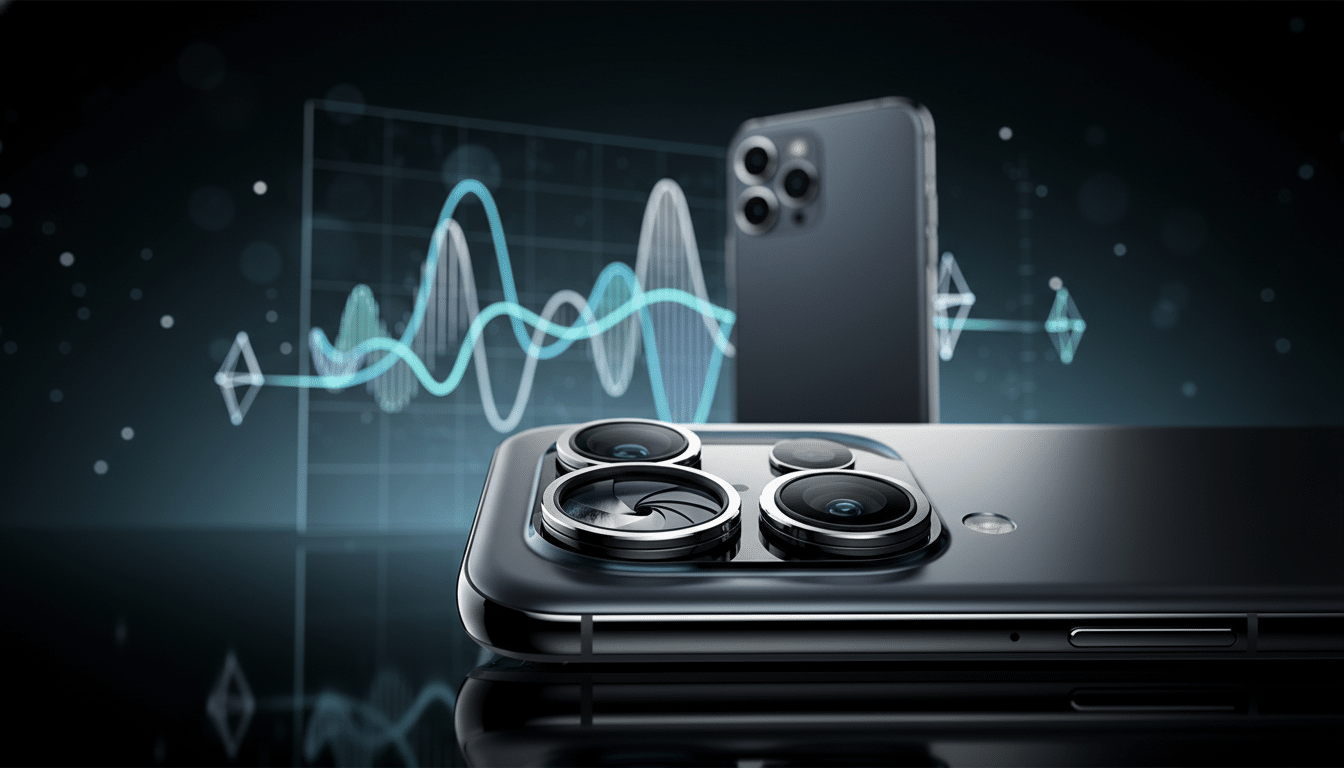
There’s a powerful knock-on effect for computational photography, too. When the sensor receives a better-balanced signal, multi-frame HDR has less clipping to salvage, night modes need less aggressive denoising, and color science can lean on cleaner data. Video stands to benefit as well: being able to reduce exposure by closing the aperture helps maintain cinematic shutter speeds without bumping ISO or resorting to digital ND workarounds.
Lessons From The Galaxy S9 And S10 Variable Aperture Era
Samsung has been here before. Earlier Galaxy flagships shipped with a two-step aperture system that toggled between a fast setting for low light and a narrower stop for daylight. That debut was ambitious but not costless, adding module complexity and thickness at a time when computational photography was exploding and thinner camera stacks were a priority.
The equation is changing. Suppliers now tout slimmer, cheaper actuators — including MEMS and refined magnetic assemblies — that can drive multi-step or even stepless apertures in phone-sized modules. In practice, that could move Samsung from a simple two-position design to a more flexible system with several stops, improving consistency across tricky lighting and subject distances.
Apple Pressure And The Premium Camera Arms Race
Competitive urgency is unmistakable. Industry chatter expects Apple to bring a variable aperture to a future Pro-tier iPhone. The company has shown a willingness to make bold optical bets — think tetraprism telephoto and larger sensors — once the supply chain can deliver at scale. If Apple introduces aperture control and markets the benefits around more natural depth, cleaner highlights, and better video exposure, the narrative could swing fast.
There’s market share at stake. According to Counterpoint Research, Apple dominates the global premium segment, with Android brands fighting for the remainder. Camera credibility is the decisive lever in that tier. It’s no coincidence other Android makers, including Huawei with its 10-step variable aperture and Xiaomi with stepless control on recent flagships, have already returned to the concept to differentiate image quality where pixels and AI alone are no longer enough.

What The Supply Chain Signals Right Now For Samsung
ETNews reports that Samsung Electronics has engaged Samsung Electro-Mechanics and MCNEX — heavy hitters in camera modules — to develop prototypes. Early testing does not guarantee a commercial launch, but it does suggest the company sees a viable path around previous hurdles like thickness, durability, and cost-per-unit. If Samsung greenlights it, expect the tech to land first on a primary wide camera, where exposure and depth-of-field control have the most visible impact.
The implementation details will matter. A multi-stop or stepless aperture would be far more useful than a binary system, especially given today’s larger smartphone sensors that produce shallower depth by default. Seamless integration with autofocus, OIS, and image pipelines will also be crucial to avoid focus breathing, vignetting shifts, or exposure “pops” when the blades move.
What It Means For Real-World Photos And Video
More than spec-sheet flair, variable aperture could fix everyday annoyances. Portraits of multiple people could stay sharp front to back without artificial edge halos. Street shots at noon could preserve cloud detail without crushed shadows. Low-light scenes could look cleaner because the camera can open up, keep ISO lower, and rely less on heavy noise reduction that smears texture.
For creators, it’s a quiet boon to video. With aperture control, you can keep the 180-degree shutter rule for natural motion blur in bright conditions while avoiding extreme ISO or awkward shutter speeds that create flicker under artificial lighting. On small sensors, diffraction becomes a concern at tighter stops, so the sweet spot may sit around moderate apertures — but even a few controlled steps would be transformative.
Outlook And Caveats For Variable Aperture On Phones
Nothing is final yet. Hardware complexity invites new failure points, and yield rates must satisfy flagship volumes. If Samsung proceeds, expect careful messaging that blends optical gains with computational tuning rather than pretending one replaces the other. Independent labs such as DxOMark and reviewers who stress-test exposure handling and depth control will quickly show whether the comeback delivers measurable gains.
The direction is clear, though: smartphone cameras are entering a second wave of hardware sophistication to complement AI and multi-frame processing. If Samsung brings variable aperture back at scale — before or alongside Apple’s move — it won’t just revive an old trick. It will reset expectations for what a phone lens can do in the moments software can’t fully fix.
