


Samsung’s long-anticipated extended reality push appears to be widening. A new report suggests the company is preparing not one but two XR glasses, indicating a broader strategy that spans multiple use cases or market tiers rather than a single debut device.
What the New Leak Suggests About Samsung’s XR Glasses
According to details surfaced by Galaxy Club, Samsung is developing two models identified internally as SM-O200P and SM-O200J. The differences between the “P” and “J” variants are not yet clear, though both are reportedly destined for the same sales regions, implying parallel offerings rather than regional splits.
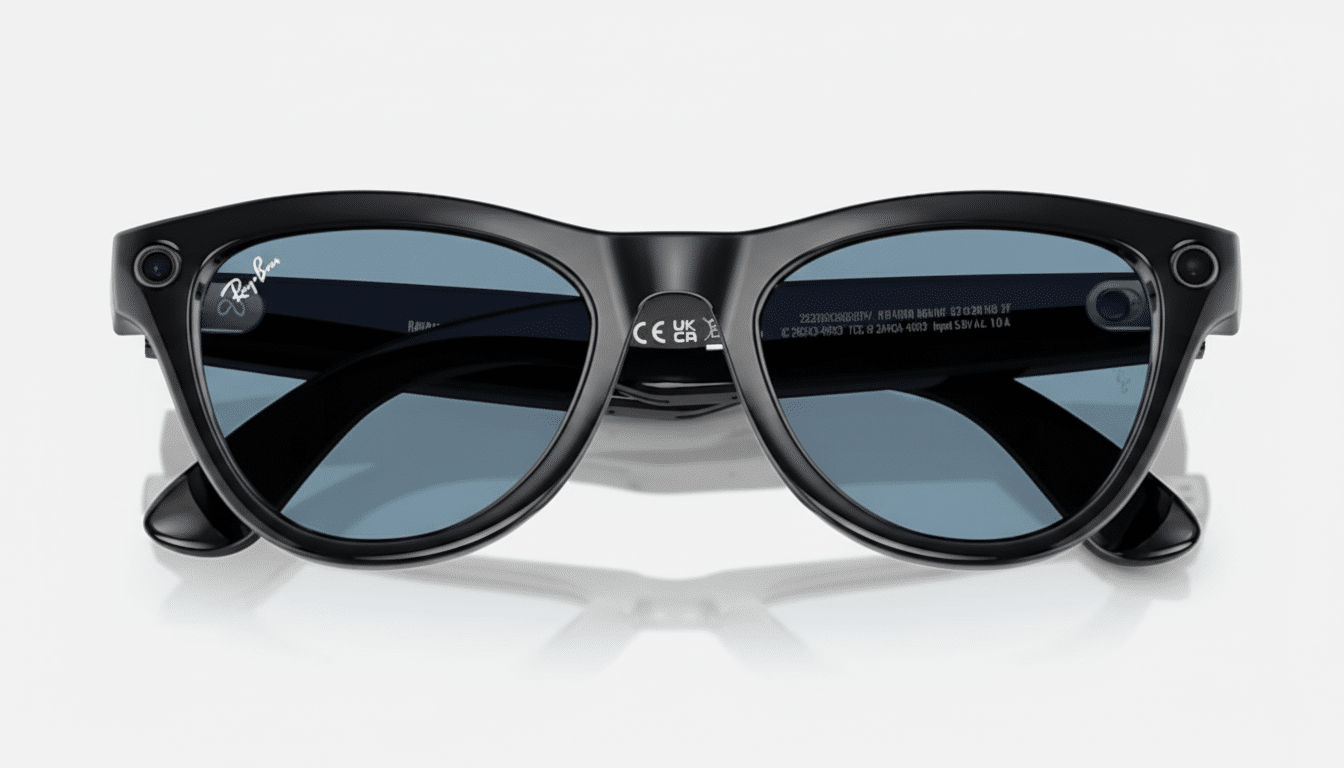
This dual-track approach hints at either feature differentiation—think camera capabilities, display components, or memory—or a split between consumer and developer-focused builds. Another possibility is a hardware variation to accommodate prescription-ready frames or enterprise accessories while retaining core functionality across both SKUs.
Camera Specs Point to Mixed Reality Uses
Both versions are expected to carry a built-in 12MP camera with autofocus. Earlier chatter linked the optics to Sony’s IMX681 sensor class, a credible match for wearable use where size, low power, and fast focus are critical. Autofocus is notable; beyond snapshots, it enables clearer passthrough, object recognition at varying distances, and barcodes or text capture without manual adjustment.
Autofocus also signals that Samsung is prioritizing real-world spatial awareness. Crisp passthrough and accurate depth cues are central to mixed reality overlays, whether that’s pinning directions onto a street, guiding a repair workflow in enterprise settings, or stabilizing AR annotations during movement.
Chipset and Battery Hints at Samsung’s XR Strategy
Rumors point to Qualcomm’s AR1 platform inside, alongside an NXP component and a 155mAh battery. Qualcomm’s AR1 is tuned for camera-forward smart glasses that lean on a paired phone or the cloud for heavy compute, striking a balance between responsiveness and all-day wearability. That aligns with the small battery capacity, which suggests short active sessions mitigated by aggressive power management, offloaded processing, or a charging case.
NXP’s involvement likely touches secure elements, NFC, or UWB—areas where the company is a leading supplier. Given Samsung’s existing UWB ecosystem for precise device finding and spatial anchoring, an NXP chip could bolster room-scale awareness or enable quick-tap interactions with phones, TVs, and smart home devices.
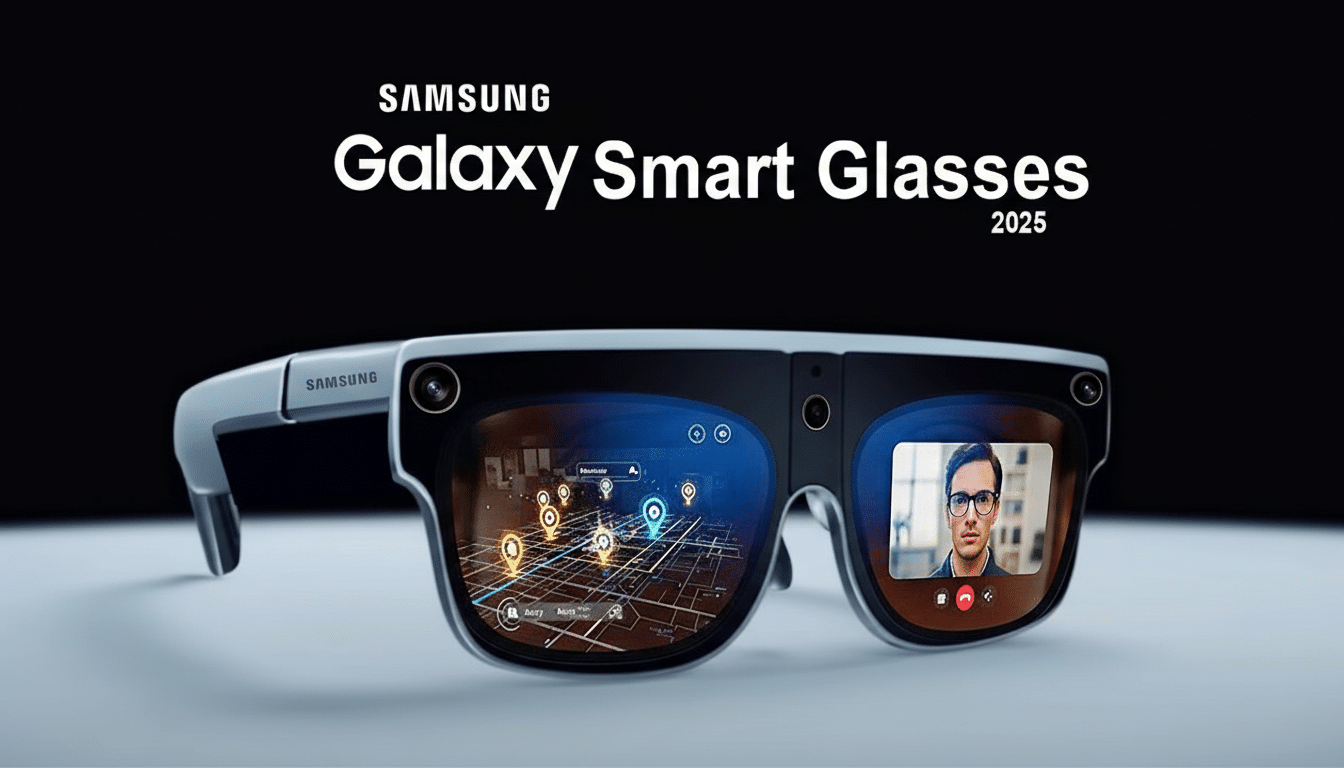
Why Two Models Could Make Sense for Samsung’s XR
Two closely related models often reflect different camera stacks, memory configurations, or radio options. In wearables, camera/no-camera variants are common for privacy-conscious workplaces. Another read is that Samsung plans a developer-first configuration alongside a sleeker consumer version, a playbook used in early AR rollouts to seed apps before a mainstream launch.
Samsung has also filed trademarks such as “Galaxy Glasses,” signaling a long game around branding and ecosystem services. If both models share a common platform, the company can build one software base while testing distinct price points or accessories without fragmenting the lineup.
How This Fits Into the XR Race and Partnerships
The timing tracks with Samsung’s public partnership with Google and Qualcomm to advance next-gen XR hardware and software. As Apple pushes the premium end of spatial computing and Meta courts mainstream buyers with camera-equipped smart glasses and mixed reality headsets, Samsung’s move fills an obvious gap in its product family and leverages its strengths in displays, sensors, and mobile integration.
Industry watchers like IDC and CCS Insight have noted a renewed appetite for headworn devices as platforms mature and app ecosystems expand. A camera-forward, phone-tethered approach keeps weight down, reduces heat, and taps into Samsung’s Galaxy devices for compute and connectivity—key for comfort and battery life, two pain points that have slowed adoption.
What to Watch Next for Samsung’s Upcoming XR Glasses
Key details still missing include display specs, weight, thermal design, and whether Samsung opts for transparent waveguides or opaque glasses with passthrough. Connectivity will be telling: Wi‑Fi 7 or robust Bluetooth LE Audio support would point to richer media capture and streaming use cases.
Launch timing remains unconfirmed, though the sourcing suggests an announcement could land within the current product cycle. If Samsung indeed ships two closely related XR glasses, expect a calibrated rollout that targets both early adopters and developers—laying the groundwork for a broader spatial computing ecosystem tied tightly to Galaxy phones, wearables, and services.
