


Samsung is preparing to invert its foldable playbook. According to a report from Korea’s ET News, the company aims to produce more Galaxy Z Fold 8 units than Galaxy Z Flip 8 in 2026, marking the first time the book-style model leads Samsung’s annual build plan. Industry sources peg the target at roughly 3.5 million Fold 8 units versus 2.5 to 3 million Flip 8.
Historically, Samsung leaned on the Flip’s lower price and fashion-forward appeal to drive volume. Pivoting toward the larger Fold signals a belief that demand is consolidating around bigger screens, productivity features, and premium hardware where margins are stronger.
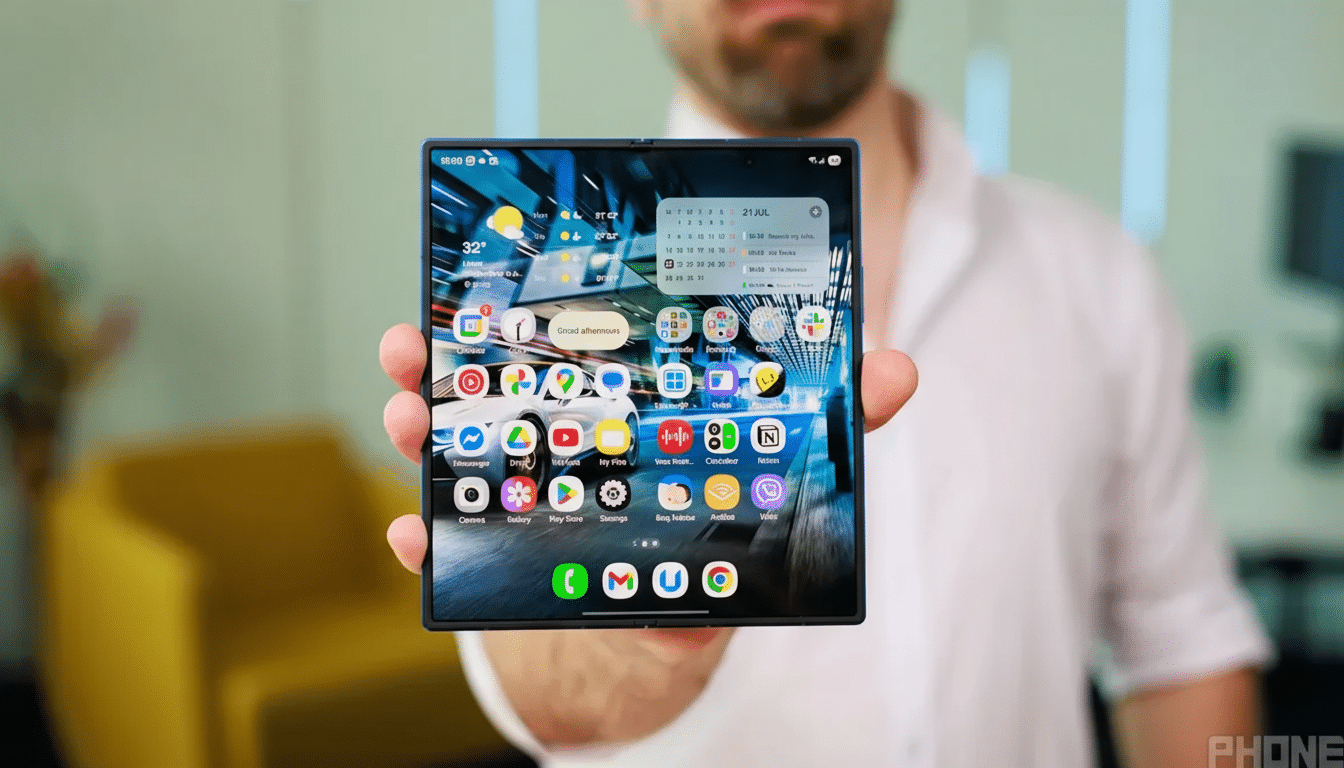
Why Samsung Is Tilting Toward Book-Style Foldables
The recalibration follows a cycle in which the Galaxy Z Fold reportedly outperformed its clamshell sibling despite initial production favoring the Flip. The most recent Fold arrived noticeably thinner and lighter than prior generations and many rivals, trimming a key barrier to adoption for book-style devices.
Analysts have long noted that book-style foldables, even at lower unit share, dominate category revenue because of higher average selling prices. Research firms such as DSCC and Counterpoint Research have highlighted that the premium end drives profitability as the tech matures. For Samsung, prioritizing Fold volume can firm up margins and strengthen the brand’s halo at the top of the market.
The broader backdrop is encouraging. Counterpoint Research estimated global foldable shipments at roughly 16 million units in 2023, with double-digit growth expected to continue as more brands enter and prices normalize. IDC similarly projects sustained expansion, particularly as durability improves and productivity software gets better.
The Apple Effect And Competitive Landscape
Samsung’s planning also appears to account for a potential shakeup: persistent supply chain chatter suggests Apple is preparing a foldable device. Apple’s entry tends to expand categories by boosting consumer awareness and accessory ecosystems. If the market widens, the biggest lift could accrue to book-style designs that behave like compact tablets while staying pocketable.
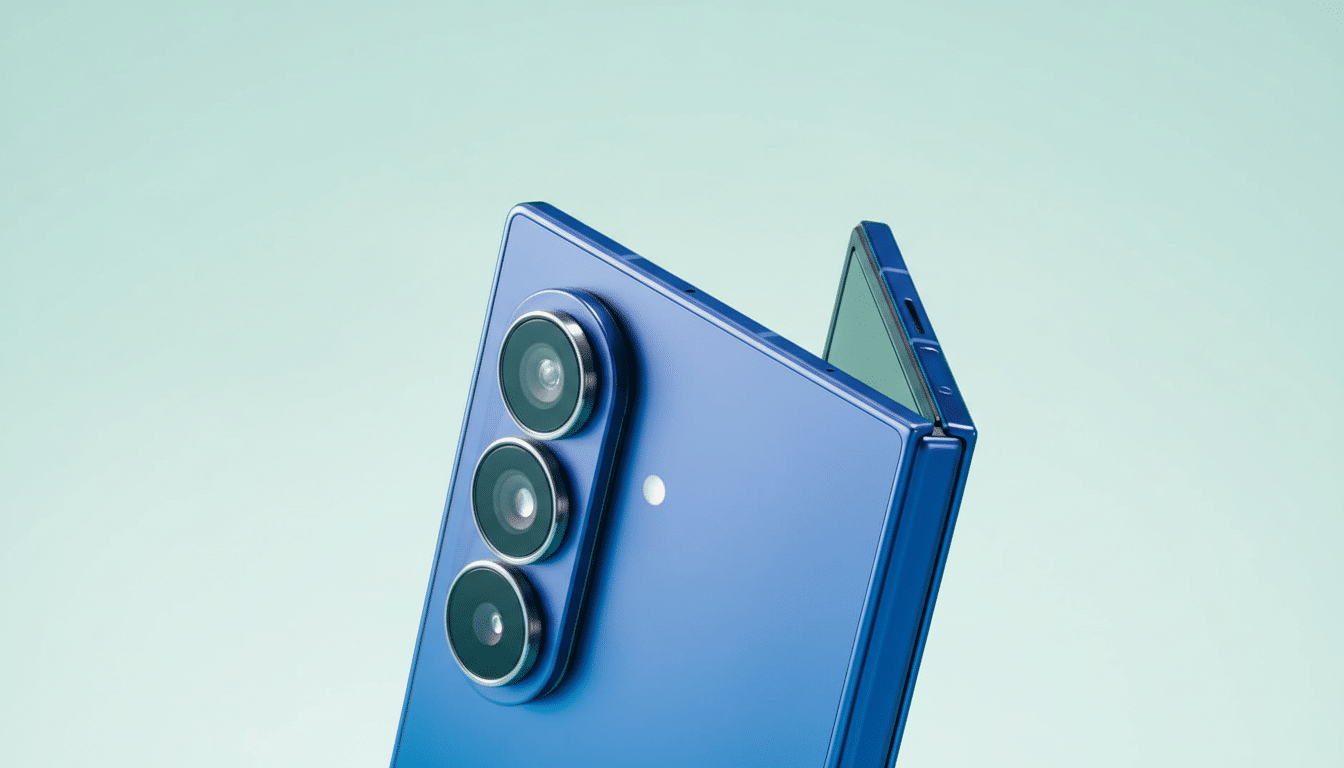
Competition is already intensifying. Huawei has surged in China with ultra-thin book-style models, while HONOR, OnePlus, and Google have iterated quickly on software and hinge durability. Prioritizing the Fold line helps Samsung secure component allocations, focus marketing, and sustain leadership where rivals are advancing fastest.
What It Means for the Flip Line in Samsung’s 2026 Plan
A smaller initial plan for the Flip 8 reads as discipline, not retreat. Clamshells still lead in unit demand thanks to lower prices and pocketability. But the mid-tier is heating up: Motorola’s latest Razr brought a mainstream price point that undercuts premium foldables by hundreds of dollars, and several Chinese brands are exploring sub-$800 entries. Without a sharp price strategy or an affordable variant, Samsung risks ceding value-conscious shoppers.
Industry chatter points to a thinner, lighter Flip 8—an approach that helped the latest Fold gain momentum. If that redesign resonates, Samsung can rebalance output quickly; the company frequently tweaks builds based on early sell-through. The strategic tension is clear: keep the Fold as the aspirational flagship while ensuring the Flip remains the fashionable, attainable on-ramp to foldables.
What to Watch Next for Samsung’s Foldables in 2026
Hardware priorities for the Fold 8 are straightforward: larger batteries without bulk, faster charging, improved crease management, brighter and more durable panels, and stronger dust resistance. These are recurring owner pain points highlighted in user studies and retailer feedback, and solving them will justify higher volume.
Software will be just as decisive. Samsung’s multitasking features, taskbar refinements, and continuity between cover and main displays need to keep evolving, while long-term update commitments can reassure premium buyers. If those pieces land, shifting production toward Folds in 2026 looks less like a gamble and more like a calculated read on where foldables—and profits—are heading.
