


The One UI 8.5 beta for the Galaxy S25 series is now out, and there’s a big name missing from it: Bixby. The situation is fueled by weeks of leaks pointing to a substantial assistant overhaul, but with the official changelog in early regions showing no love for all things talking and typing, anxious testers have reasons to assume the upgrade has been delayed, shelved, or simply shuffled toward a future iteration.
What happened to the rumored Bixby upgrades in beta
Leaked materials that made the rounds among beta watchers demoed three of Bixby’s headlining additions: a more human device control experience, “faster instant answers,” and an always-on chat history.
- What happened to the rumored Bixby upgrades in beta
- What the leaks promised for Bixby in One UI 8.5
- Why a delay could serve a strategic purpose for Samsung
- What it means for you as a user right now
- The competitive context among Android and voice assistants
- What to watch next as One UI 8.5 beta builds evolve
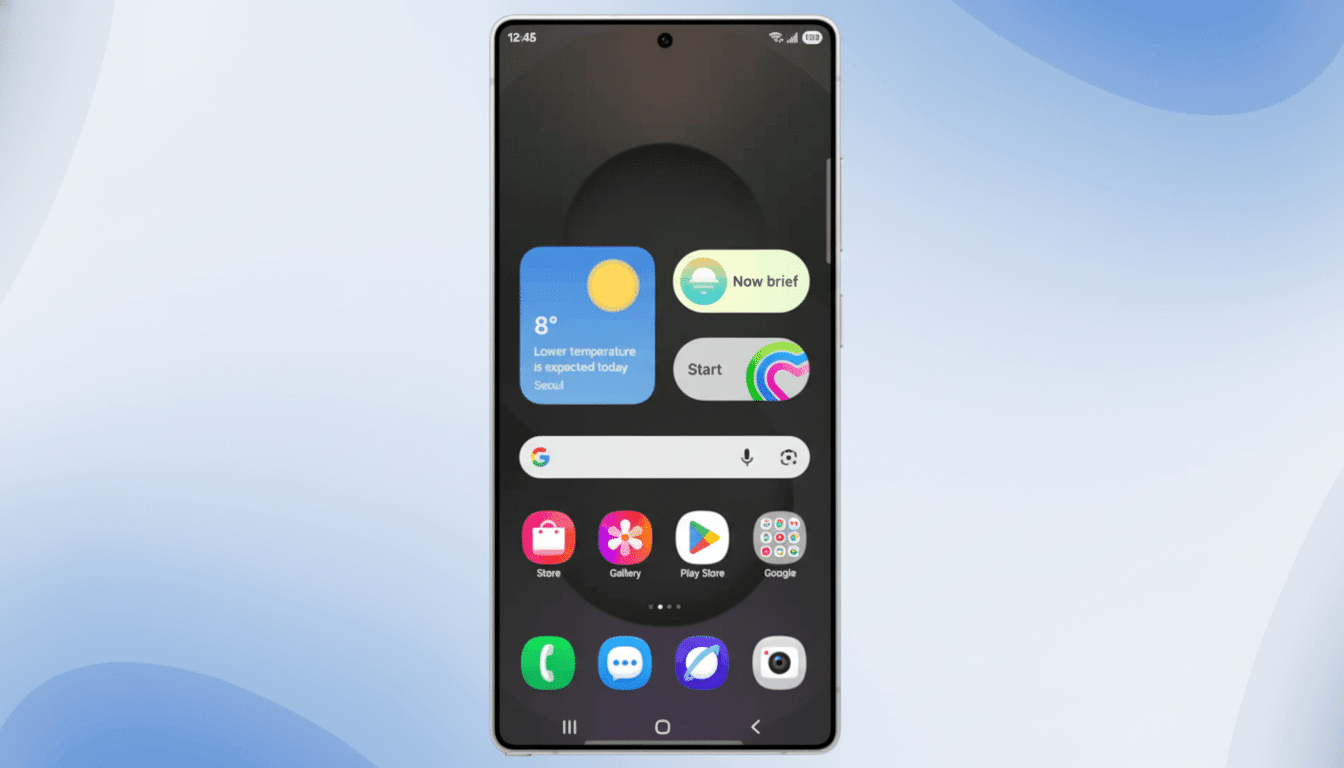
But they aren’t included at all in the public notes available now. That discrepancy leaves three possibilities — Samsung is saving features for a subsequent beta, gating the additions by region or server switch, or reserving the overhaul for fresh hardware.
Samsung has played this game in the past. A nifty feature might show up quietly or behind the scenes after a server-side switch is flipped. Early betas can also frequently have modules you expect to be there disabled as teams confirm stability and law offices do their thing, especially for AI functions that mix-and-match on-device and in-cloud processing.
What the leaks promised for Bixby in One UI 8.5
If you take the teased upgrades at face value, it would all be big news. “Natural language device control” suggests commands as complex as, “Turn on hotspot and text Mia the password,” or “Set display to vivid, dim bedroom lights to 30% and start a 20-minute sleep playlist,” bringing together multi-step tasks in an easy-to-navigate system. “Instant answers” hints at a more compressed retrieval and response time for factual questions, presumably using a combination of on-device models and a cloud service. And “chat history” suggests continuity — Bixby keeping in mind the current context across sessions, instead of acting as a perpetually resettable switch.
The current version, One UI 8, already surfaces bits of conversation tracking in some apps, so a system-level Bixby memory would be an evolution more than a brand-new feature. It would further fit with the direction the industry is moving toward — more assistant-like assistants rather than one-shot utilities.
Why a delay could serve a strategic purpose for Samsung
It’s understandable to want to keep a lid on a Bixby revamp in early code, for legitimate reasons. Throughout recent flagships, Samsung has been shining a spotlight on Gemini, positioning Google’s model as the natural conduit for all sorts of generative tasks while hammering home that, if you really want to, Bixby is still there. Releasing a big Bixby update too soon might muddle that narrative or create redundancy in terms of user routes.
There are also industry rumblings of Samsung testing Bixby with a third-party LLM partner for more complex queries, leaving simple device control to Bixby itself. If those integrations are still a work in progress — commercially, technically, or by region — Samsung may be keeping features dark until the backend is finalized. Language coverage, cost controls, and privacy reviews are among the issues that can slow release pace for AI assistants.
What it means for you as a user right now
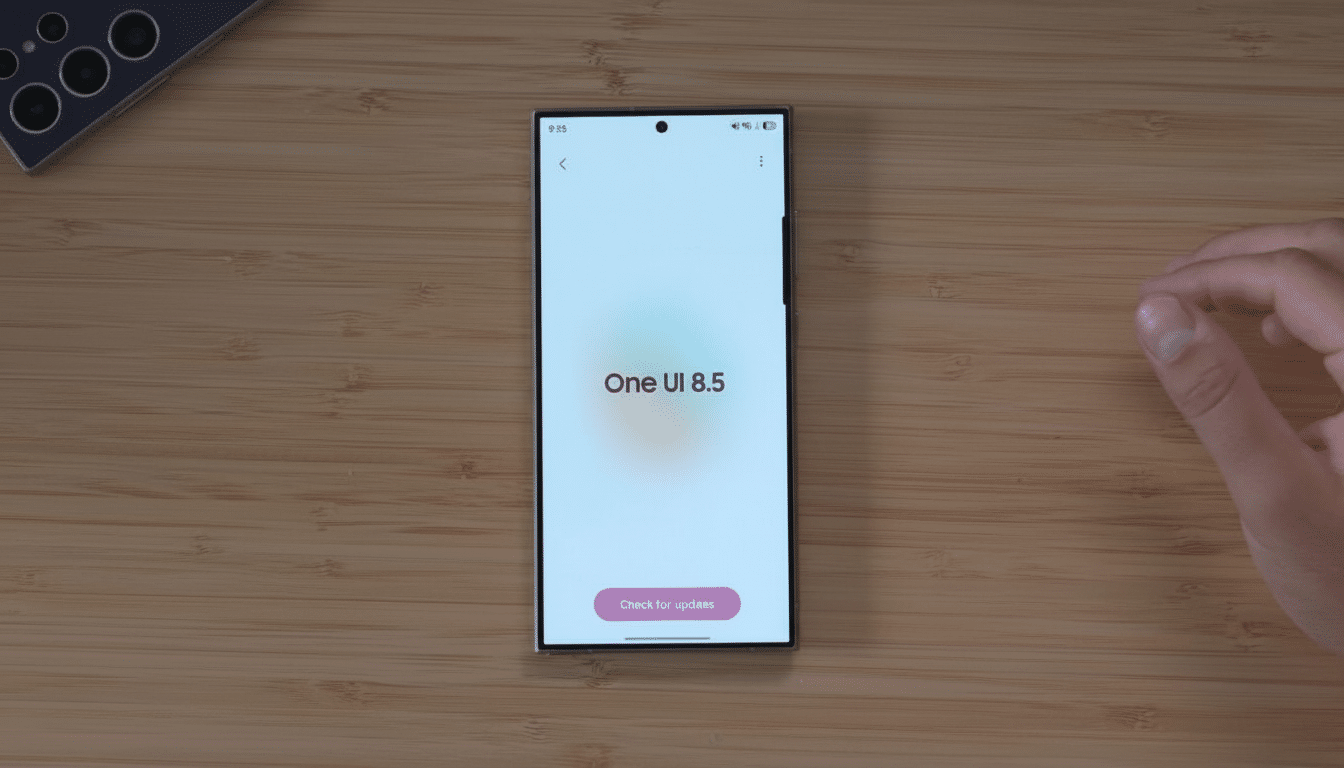
For those Galaxy S25 owners on the beta, this is business as usual today. The assistant mix remains mostly the same out of the box: Bixby for device-level tasks and routines, Galaxy AI features for a certain amount of on-device creativity and editing, and Gemini for conversational queries if switched on as your preferred assistant. If Bixby updates are present at the time of release, they may be disabled but will have indications such as a new version of the Bixby app and/or new toggles in Bixby Labs or Settings, or server-driven prompts appearing without user configuration after an app update.
Testers should also be on the lookout for regional oddities. Samsung has traditionally trialed voice features in specific languages before rolling out support more widely once usage and accuracy targets are met.
The competitive context among Android and voice assistants
The timing is important because the bar for assistants is rising fast. Google is integrating Gemini further into Android. Apple has also detailed a next-generation Siri that relies on on-device intelligence (with optional cloud assistance). Amazon keeps repositioning Alexa with new generative functionalities. In this race, memory, app control, and latency are the new table stakes.
Samsung also brings scale to bear; according to IDC figures, Samsung was the top seller of smartphones worldwide at the start of 2024 with about a 20% share. Anything it rolls out on the assistant front in the base Galaxy can change user behavior in enormous volume, which is likely why the company has to be very careful about when and how it lights up a Bixby overhaul.
What to watch next as One UI 8.5 beta builds evolve
Stay tuned to the following One UI 8.5 beta builds and changelogs by region, as well as Bixby version notes. And if Samsung is playing at tech striptease, then things like natural language device control and chat continuity sound more likely to just flicker on (as in, install new software) rather than rely on a refreshed firmware. If the firm stands its ground and dispatches the stable build without it, don’t be surprised if speculation then revolves around whether all these features arrive with the next Galaxy wave instead.
What follows for now is a mere two words: One UI 8.5’s first beta is ghosting the long-rumored Bixby enhancements many actually expected. If that’s a short will-they-won’t-they or a longer strategic delay, we’ll know more in the next round of betas.
